Hydration During Pregnancy: How Much Water Do You Need?
Did you know pregnant women should drink 8 to 10 glasses of water daily? Hydration helps with digestion, circulation, and making amniotic fluid for your baby.

Updated · 12 min read
Reviewed by an OB/GYN
Did you know pregnant women should drink 8 to 10 glasses of water daily? Hydration helps with digestion, circulation, and making amniotic fluid for your baby.
Factors like morning sickness and exercise can change how much water you need. It’s key to drink enough for your and your baby’s health.
Why Hydration is Crucial During Pregnancy
Keeping hydrated is vital for Pregnancy Health and Safety. Our bodies are mostly water, 55%–65% of our weight. This water is essential for digestion, keeping our body at the right temperature, and all body functions. These needs grow during pregnancy as your body supports another life. Pregnant women should drink 8–10 glasses (8 ounces) of water daily. This helps the baby develop, maintains amniotic fluid, and increases blood volume.
Benefits of Staying Hydrated During Pregnancy
Drinking enough water helps manage common pregnancy symptoms and plays a vital role in various physiological processes that are critical during this time. As expectant mothers require around 300 extra calories a day, their water needs also increase to accommodate the demands of the growing baby and the mother’s changing body.
Key Benefits of Hydration:
- Reduces Swelling (Edema): Swelling in the hands, feet, and ankles is a common issue during pregnancy, especially in the third trimester. Drinking enough water helps balance excess fluids through kidney function which can contribute to swelling and discomfort.
- Prevents Constipation and Hemorrhoids: Increased progesterone levels during pregnancy can slow down the digestive system, leading to constipation and hemorrhoids. Staying hydrated ensures that the digestive system remains functional, making it easier for the body to process food and move waste. This can significantly reduce the risk of constipation and related issues like hemorrhoids.
- Lowers Risk of Urinary Tract Infections (UTIs): Pregnant women are more susceptible to UTIs due to changes in the urinary tract. Dehydration can add to the potential for infection.
- Supports Increased Blood Volume: During pregnancy, the body’s blood volume increases by about 50% to support the growing baby. Adequate hydration is essential to maintaining this increased blood volume, ensuring that the baby receives a steady supply of oxygen and nutrients.
- Aids in Amniotic Fluid Production: Water is a critical component in maintaining adequate levels of amniotic fluid which cushions and protects the baby in the uterus. Amniotic fluid is essential for the baby’s movements and development throughout pregnancy.
- Promotes Healthy Fetal Development: Drinking enough water helps ensure that essential nutrients are delivered efficiently to the baby. Additionally, fluoride in water can support the healthy development of the baby’s teeth and bones, helping to lay the foundation for strong skeletal growth even before birth.
Risks of Dehydration During Pregnancy
Thirst is a sign of dehydration. Dehydration during pregnancy can have significant adverse effects on both the mother and baby. When the human body just doesn’t get enough fluids, it can lead to a range of problems, from mild discomfort to serious complications that could affect the pregnancy outcome.
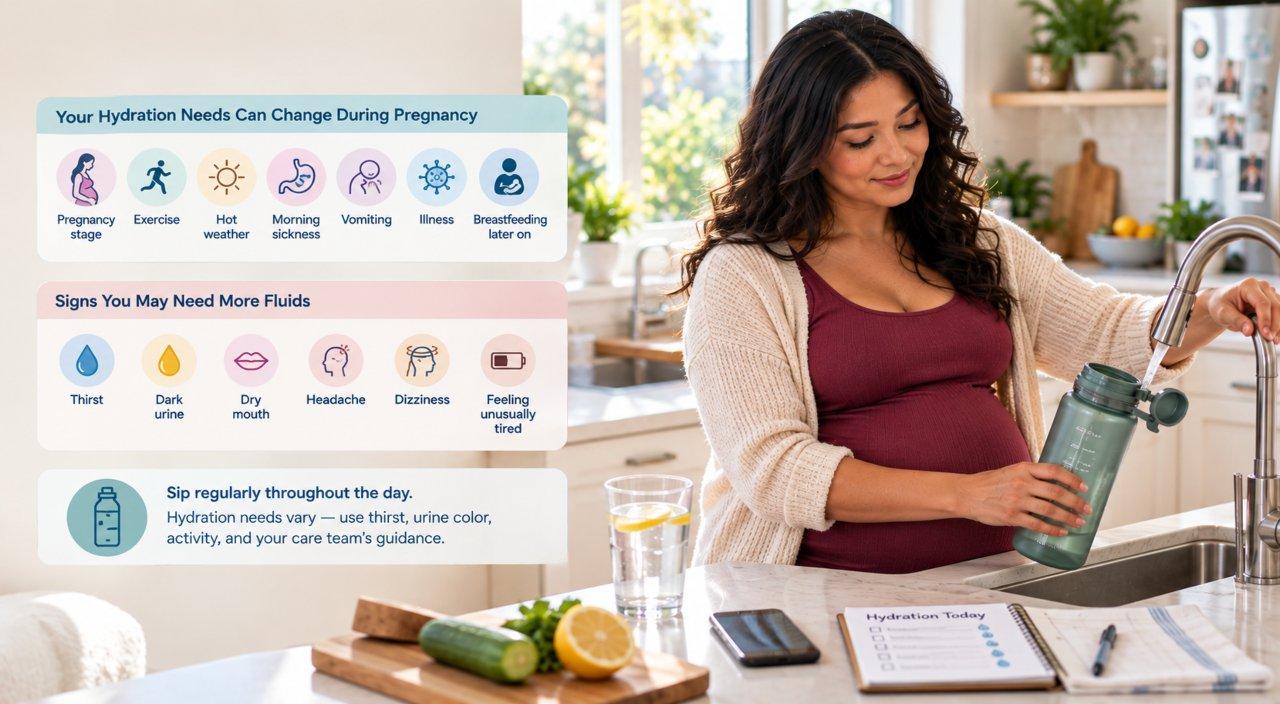
Signs and Symptoms of Dehydration:
- Excessive thirst
- Dark yellow urine: Dark yellow urine can indicate mild to moderate dehydration. More severe dehydration may lead to very dark-yellow or brownish urine.
- Dry mouth and skin
- Dizziness or lightheadedness
- Fatigue
- Decreased urine output
Severe dehydration is more serious. Situations in pregnancy, such as heat exhaustion or heat stroke, are more often the cause of severe dehydration and which require immediate medical attention.
Effects of Dehydration:
- Low Amniotic Fluid: One of the most concerning risks of dehydration is the reduction of amniotic fluid levels. Low amniotic fluid (oligohydramnios) can restrict the baby’s movements and affect lung development. In severe cases, it may lead to preterm birth or other complications during delivery.
- Preterm Labor: Dehydration can cause the body to release a hormone called vasopressin, which may lead to premature contractions and increase the risk of preterm labor. Early labor can result in complications for both the mother and baby. Delivery by C-section is more likely. Sometimes, the premature delivery requires the baby to receive neonatal intensive care.
- Low Birth Weight: Adequate hydration is crucial for the baby’s growth. Persistent dehydration can result in the baby receiving fewer nutrients, leading to low birth weight, which may affect the baby’s health at birth and require extra medical care.
- Complications from Heat Exposure: Pregnant women are more susceptible to heat exhaustion and heat stroke, especially during hot weather. Dehydration can increase this risk by reducing the body’s ability to regulate its temperature, which can lead to dangerous overheating.
Recommended Water Intake for Pregnant Women
It’s vital to drink enough water for your and your baby’s health. The experts advise pregnant women to have about ten 8-ounce glasses of water daily. How much you need can change, depending on how active you are, your size, and the weather.
Daily Water Requirements
Drinking plain water is best. But milk, juice, coffee, and tea also help meet your fluid needs. Sodas and sugary drinks do not help with hydration. It’s recommended to limit caffeine to 200 milligrams a day. Try to drink water evenly throughout the day to prevent drinking too much at once. You’re drinking enough if you urinate often and your urine is clear or light in color.
Fluid Intake and Caloric Needs
As you eat more to meet your caloric needs, you should also drink much more fluids. For every 300 extra calories you take in, add 10 ounces of fluids starting from the second trimester. Your blood volume increases in the second trimester and peaks at 32 to 34 weeks, highlighting the need to stay hydrated.
How to Meet Your Fluid Needs
Staying hydrated during pregnancy is key. Though plain water is top-notch, a mix of hydrating foods and drinks also works well. Food provides about 20% of the water you need daily. Eating fruits and veggies can also help keep you hydrated.
Foods That Contribute to Hydration
Fruits and veggies like watermelons, cucumbers, oranges, and strawberries are full of water. They’re not just great for hydration. They also give you important nutrients for your pregnancy nutrition.
Eating foods with a lot of water helps a lot with your daily water needs. Soups, especially those based on broth, are also great for keeping you hydrated. Plus, fresh produce offers both hydration and important vitamins and minerals.
Tips for Drinking Enough Water
Here are some easy hydration tips for drinking more water during pregnancy:
- Carry a water bottle to remind you to drink throughout the day.
- Add natural flavors like lemon, mint, or cucumber to your water for better taste.
- Try to drink about 8-10 glasses (8 ounces) of fluids daily.
- Keep caffeine under 200 mg a day.
- Cut down on sugary drinks and have no more than ½ cup of fruit juice a day.
- Create habits, like drinking water after brushing your teeth or with every meal.
If plain water doesn’t excite you, think about safe options like herbal teas (citrus peel, ginger, lemon balm), smoothies, and fortified soy drinks in moderation. These choices can make staying hydrated fun while also helping your pregnancy nutrition.
Signs of Dehydration to Watch Out For
Pregnancy comes with challenges, like staying hydrated. Morning sickness and increased needs from the baby can make you dehydrated. It’s key to recognize dehydration symptoms and know when to get help for pregnancy health.
When to Seek Medical Attention
Severe dehydration is dangerous and needs medical evaluation.
Signs indicating you need medical attention:
- Extreme thirst that cannot be quenched
- Very dry mouth, skin, and eyes
- Mood changes and confusion
- Inability to urinate or very dark urine
- Rapid pulse/heartbeat that doesn’t improve despite hydration
- Feeling faint.
Also, if you can’t keep fluids down, feel disoriented, or throw up a lot, get medical help. Pregnant women must watch for these signs for their pregnancy health and their baby’s safety.
The Role of Water in Fetal Development
Drinking enough water is vital for pregnant women, especially since it affects the baby’s growth and health.
Amniotic Fluid Levels
Water is essential to production of enough amniotic fluid. This fluid is very important because it protects the baby, enables fetal movement, and contributes to lung development.
The opposite is also true. Not drinking enough water can lower the amount of amniotic fluid. The baby’s movement and growth can be affected.
Nutrient and Oxygen Transport
Water also plays a huge part in delivering nutrients and oxygen to the baby. When a mother stays hydrated, it helps get these essential components to the baby. This is key for the baby’s health.
Dehydration can make a mother’s heart work harder. Oxygenation may be reduced which means less oxygen and nutrients reach the baby. Drinking water is crucial for keeping the best condition for both the mom’s and baby’s health.
Hydration During Different Trimesters
Water is especially important in each trimester. Knowing how much water you need helps you stay healthy.
First Trimester
The first trimester is the beginning of the need to stay hydrated. Changes in your body and morning sickness can cause you to lose fluids. Drinking at least 8 to 10 glasses of water a day is important to replace lost fluids and ease morning sickness.
Second Trimester
In the second trimester, you need more water because your blood volume goes up. This supports your growing baby. Not drinking enough is common, so consider Second Trimester Fluid Needs. You should drink an extra 10 ounces of water every day.
Third Trimester
Now, in the last stage, your blood volume is the highest. Staying hydrated is important to avoid issues like Braxton Hicks contractions. You need to drink an extra 15 ounces of water every day. Drinking plenty of water helps with swelling and constipation, too.
Electrolyte Balance and Hydration During Pregnancy
It’s important to keep hydrated and maintain electrolyte balance when pregnant. Electrolytes like sodium, potassium, and magnesium are key. They help muscles work properly and keep fluids balanced, which is crucial during pregnancy.
Importance of Electrolytes
Electrolytes are vital for things like muscle contractions and sending nerve signals. Needed ones include sodium, calcium, potassium, and a few others. This helps with the extra fluids needed and prevents electrolyte issues.
Maintaining Electrolyte Levels
Pregnancy can increase the risk of losing too many electrolytes. This is due to more sweating, possibly vomiting from morning sickness, and increased kidney function with more frequent urination. Eating foods high in sodium, potassium, and magnesium can help. Good food choices include legumes, green veggies, poultry, fish, dairy products, nuts, and seeds. Drinks like electrolyte solutions, coconut water, herbal teas, and fruit juices also help.
Along with eating right, taking prenatal vitamins is beneficial. Good electrolyte balance and overall health during pregnancy is vital. These hydration tips for pregnancy can ease symptoms, support health for mom and baby, and lead to a smooth delivery.
Hydration and Common Pregnancy Issues
Drinking enough water is essential when you’re pregnant. Our bodies are 60% water, and when pregnant, you need more. Extra water supports the placenta and amniotic sac. Dehydration leads to headaches, fatigue, dizziness, constipation, and nausea. Proper hydration can help manage gestational weight gain. Approximately 20 pounds of weight gain during pregnancy is due to water.
Constipation Relief
Constipation is a common issue during pregnancy. Hormones as progesterone slow down digestion and bowel motility. Staying hydrated is one of the most effective ways to find relief from constipation during pregnancy. Drinking plenty of water promotes bowel function to maintain digestion. Pregnant women should drink 8 to 10 glasses (64 to 96 ounces) of water daily. Water is best. Other options include liquids such as milk, juice, and foods high in water content like watermelon, cucumbers, and oranges. Along with water, adding fiber-rich foods like whole grains, fruits, and vegetables can further aid digestion and reduce constipation.
In addition to adequate water intake, physical activity such as walking can help promote bowel function. Staying active, maintaining a healthy diet, and drinking enough fluids all work together to keep the digestive system functioning well, helping to relieve the discomfort of constipation during pregnancy.
Reducing Swelling
Peripheral swelling, or edema, is another common symptom during pregnancy, especially in the feet, ankles, and legs. Staying well-hydrated can help prevent the body from retaining excess fluids, which is often a response to perceived dehydration. When your body senses a lack of water, it tends to hold onto whatever fluid it has, leading to swelling. Drinking water helps flush out excess sodium and other fluids, reducing the chances of water retention and helping to keep swelling in check.
Elevating your feet when sitting, wearing comfortable shoes, and avoiding standing for long periods can further reduce swelling. Combined with staying hydrated, these habits can significantly minimize the discomfort of swelling and improve overall circulation during pregnancy.
Conclusion
Staying hydrated during pregnancy is very important. It helps the mother and the baby in many ways. For example, it helps carry nutrients, keeps the mind sharp, and improves mood. Research shows how hydration levels connect to how much water pregnant women drink.
Pregnant and breastfeeding women should drink water. They point out the importance of drinking enough water during pregnancy. Good hydration can help avoid common pregnancy problems like constipation and swelling. It also keeps the amniotic fluid at a good level and helps nutrients and oxygen reach the baby.
Pregnant women need to drink more water than usual. They should eat foods high in water and drink fluids all day. Drinking enough water is linked to better health for mom and baby during pregnancy. Expecting moms should talk to their doctors to make a plan that fits their needs. This helps both the mother and baby stay healthy.
Frequently asked questions
How much water should I drink during pregnancy?
Experts recommend 8 to 10 glasses of water daily for pregnant women. This supports both nutrition and health during pregnancy.
Why is hydration crucial during pregnancy?
Staying hydrated is key for the baby’s development and normal amniotic fluid levels. It helps nutrient circulation and waste removal. Plus, it’s vital for your digestion, body temperature, and increasing blood volume.
What are the risks of dehydration during pregnancy?
Dehydration can cause excessive thirst, dark urine, and fatigue. In severe cases, it may harm both the mother and the baby. Always address dehydration symptoms.
What are the daily water requirements for pregnant women
Pregnant women should drink about eight to ten 8-ounce glasses of water daily. You may need to adjust this amount based on your activity level and other factors.
How do fluid intake needs correlate with caloric needs during pregnancy?
As your calorie intake goes up, so should your fluid intake. Add about 10 ounces of fluid for the extra 300 calories a day starting in the second trimester.
What foods can help meet hydration needs during pregnancy?
Eating water-rich foods like watermelons and cucumbers can help with hydration. Fruits and veggies are good for meeting your fluid needs.
What are some tips for drinking enough water during pregnancy?
Keep a water bottle on hand and try adding flavors to your bottled water. Choose a variety of hydrating drinks but watch out for excessive sugar and caffeine.
What are common symptoms of dehydration to watch out for during pregnancy?
Look out for increased thirst, less frequent urination, and dark urine. Fatigue, confusion, and dizziness are signs of severe dehydration.
When should I seek medical attention for dehydration during pregnancy?
If you can’t keep fluids down, feel disoriented, or have ongoing diarrhea, get a medical evaluation. It’s important to avoid serious complications.
How does water support fetal development?
Water maintains the amniotic fluid, supporting your baby’s growth. It’s crucial for delivering nutrients and oxygen to the fetus.
How should hydration be managed during different trimesters of pregnancy?
In the first trimester, make up for lost fluids if you have morning sickness. Increase your water intake in the second trimester due to more blood volume. Stay hydrated in the third trimester to avoid pregnancy complications as premature contractions.
Why are electrolytes important during pregnancy?
Electrolytes like sodium and potassium keep your fluid balance and support muscle function. They’re vital for managing increased fluid needs during pregnancy.
How can pregnant women maintain electrolyte levels?
Your body naturally seeks electrolyte balance with normal kidney function. Stay hydrated. Watch out for electrolyte loss through profuse sweating, vomiting, or diarrhea.
How can hydration help with common pregnancy issues like constipation?
Drinking enough water helps with bowel movements to prevent constipation. Proper hydration also helps prevent swelling by avoiding fluid retention.
References
- businessinsider.com — Staying hydrated while pregnant means drinking at least 8 cups of water daily, avoiding caffeine, and eating lots of water-rich fruit Source (opens in a new tab)
- mayoclinic.org — How much water do you need to stay healthy? Source (opens in a new tab)
- babycenter.com — How much water should a pregnant woman drink: how to stay hydrated Source (opens in a new tab)
- ncbi.nlm.nih.gov — Nutrition Column An Update on Water Needs during Pregnancy and Beyond Source (opens in a new tab)
- psu.edu — Hydration can impact pregnancy and birth outcomes | Penn State University Source (opens in a new tab)
- ncbi.nlm.nih.gov — A Study of the Fluid Intake, Hydration Status, and Health Effects among Pregnant Women in Their Second Trimester in China: A Cross-Sectional Study Source (opens in a new tab)
- whattoexpect.com — How Much Water Should You Drink During Pregnancy? Source (opens in a new tab)
- happyfamilyorganics.com — Tips For Staying Hydrated | Happy Mama Organics Source (opens in a new tab)
- fraserhealth.ca — Staying hydrated during pregnancy Source (opens in a new tab)
- halveyourcake.com — Hydration During Pregnancy — Halve Your Cake Source (opens in a new tab)
- medicalnewstoday.com — Dehydration during pregnancy: Early symptoms and prevention Source (opens in a new tab)
- healthline.com — Dehydration During Pregnancy: Symptoms Source (opens in a new tab)
- natalist.com — 10 Signs and Symptoms Of Dehydration During Pregnancy Source (opens in a new tab)
- ncbi.nlm.nih.gov — Effect of dehydration during pregnancy on birth weight and length in West Jakarta Source (opens in a new tab)
- anjahealth.com — The Role of Water Intake in Fetal Activity Source (opens in a new tab)
- bmcpregnancychildbirth.biomedcentral.com — Associations between hydration state and pregnancy complications, maternal-infant outcomes: protocol of a prospective observational cohort study – BMC Pregnancy and Childbirth Source (opens in a new tab)
- webmd.com — What to Know About Drinking Water During Pregnancy Source (opens in a new tab)
- happiestbaby.com — The Importance of Hydration During Pregnancy Source (opens in a new tab)
- kinfertility.com.au — Drinking Electrolytes While Pregnant: The Role It Has In Pregnancy | Kin Fertility Source (opens in a new tab)
- natalist.com — Electrolytes During Pregnancy: What to Know Source (opens in a new tab)
- dignityhealth.org — Dignity Health | How to Avoid Dehydration During Pregnancy | Dignity Health Source (opens in a new tab)
- ncbi.nlm.nih.gov — Associations between hydration state and pregnancy complications, maternal-infant outcomes: protocol of a prospective observational cohort study Source (opens in a new tab)
- hydrationforhealth.com — Hydration in pregnancy and breastfeeding Source (opens in a new tab)

About the author
Stanley D. Yeatts II MD
Founder and Editor-in-Chief
Stanley D. Yeatts II MD is a board-certified obstetrician and gynecologist with over 30 years of experience in women's health, having delivered over 4,500 babies and provided care for thousands of women with both routine and high-risk pregnancies. As the Founder and Editor-in-Chief of Stork Advisor, Dr. Yeatts brings his extensive medical expertise to a platform dedicated to providing accurate, empathetic, and life-changing educational content for women before, during, and after pregnancy.