
Understanding PCOS Starts with Clarity and Compassion
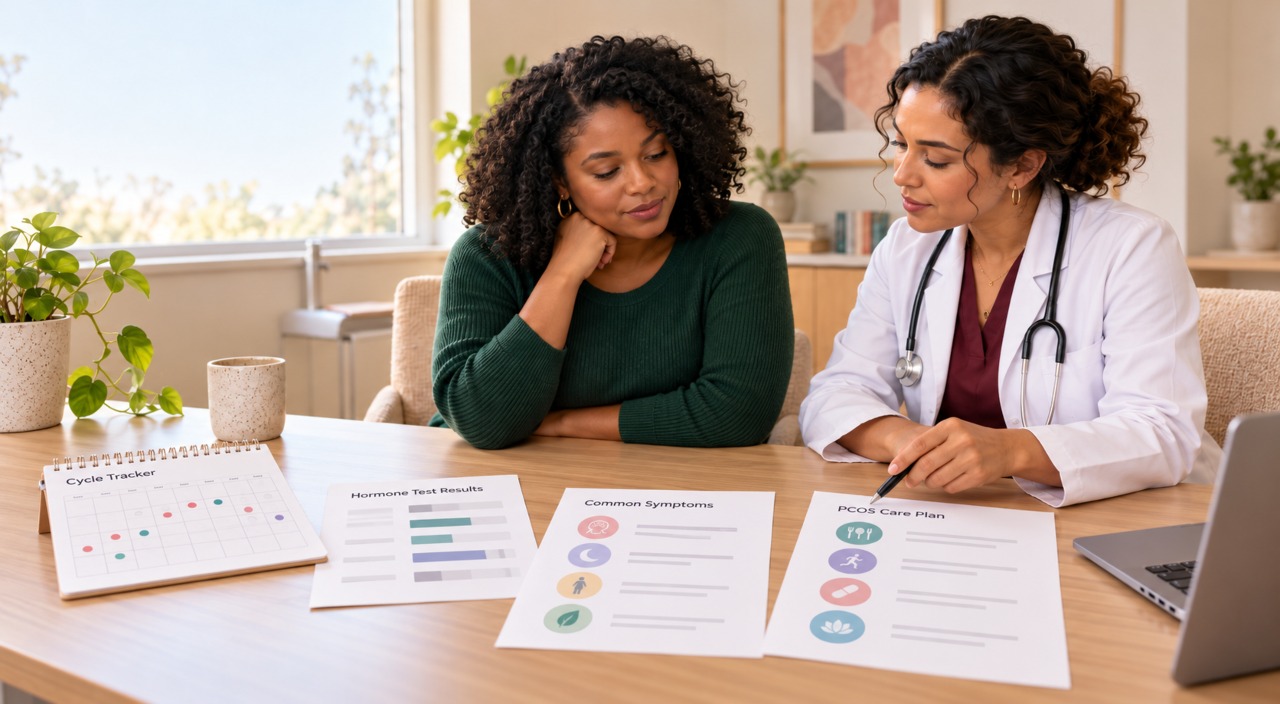
Polycystic Ovarian Syndrome (PCOS) affects many women in their reproductive years, but the experience can feel isolating and overwhelming. Whether you’re dealing with irregular cycles, skin changes, or fertility challenges, understanding what PCOS really is—and how to manage it—can make a powerful difference. You’re not alone, and there’s help available.
👉 Want to learn more about symptoms, diagnosis, and treatment options? Read the full article here
Ask Dr. Stan
1. What exactly is PCOS, and why does it affect so many areas of my health?
PCOS, or Polycystic Ovarian Syndrome, is a hormonal condition that can impact your menstrual cycle, metabolism, skin, mood, and fertility. It’s called “polycystic” because many women with PCOS have small, fluid-filled cysts on their ovaries—but the real issue lies in hormonal imbalance which causes symptoms. Higher levels of androgens (male hormones) can disrupt normal ovulation and lead to many of the symptoms women experience.
2. How do I know if I might have PCOS?
If you’re noticing irregular or missed periods, unexplained weight gain, acne, excess facial or body hair, or difficulty getting pregnant, these could be signs of PCOS. Some women also see skin darkening or have mood swings. If any of these symptoms sound familiar, it’s time to speak with a women’s healthcare provider who can evaluate and guide you through the next steps.
3. Can I still get pregnant if I have PCOS?
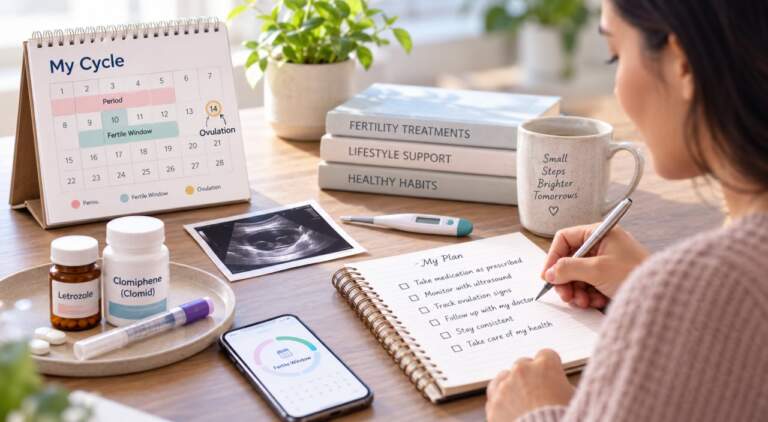
Yes, absolutely—but you may need a little help. PCOS can interfere with ovulation, which is crucial for conception. However, with the right treatment plan—whether that includes lifestyle changes, medications, or fertility support—many women with PCOS successfully become pregnant. If this is one of your goals, talk with your OB/GYN or a fertility specialist about the best path forward.
4. What causes PCOS? Is it something I did?
No, you didn’t cause your PCOS. While we don’t know the exact reason PCOS develops, research suggests a combination of genetic and environmental factors. If your mom or sister has PCOS, your chances may be higher. Lifestyle habits and hormonal patterns can influence how symptoms show up, but it’s not anyone’s fault.
5. How is PCOS diagnosed?
Diagnosis starts with a detailed health history and physical exam, followed by lab tests to check hormone levels and an ultrasound to examine your ovaries. There’s no single test for PCOS, so your provider will look at the full picture—your symptoms, cycle history, lab values, and imaging—to make an informed diagnosis.
6. What lifestyle changes can help me manage PCOS symptoms?
Eating a balanced diet rich in fiber, whole foods, and lean protein can help stabilize blood sugar and support hormone balance. Regular physical activity, even just brisk walking, improves insulin sensitivity and may regulate your cycle. Stress management techniques like yoga or mindfulness can also support your hormonal health. These changes may feel small but can make a big difference over time.
7. Are there medications that can help with PCOS?
Yes. Birth control pills are often used to regulate periods and reduce symptoms like acne and excess hair. Metformin, a medication for insulin resistance, can also help some women. More recently, medications like GLP-1 agonists (such as Ozempic® or Wegovy®) are being explored for their effects on weight loss and insulin balance, though they are not FDA-approved specifically for PCOS. Always consult your physician before starting or changing medications.
8. What about supplements—do they help?
Some women with PCOS report benefits from supplements like inositol, which may support insulin sensitivity and hormone regulation. However, not all supplements are right for everyone, and more research is still needed. Always talk with your doctor before trying new supplements, especially if you’re managing other health conditions or taking medications.
9. Is surgery ever recommended for PCOS?
In some cases in which medical management isn’t enough to help symptoms, a minimally invasive procedure called ovarian drilling may be considered. It involves using heat or a laser to drain the numerous small ovarian cysts. The hope is that quality of life is improved. If there has been a fertility challenge, the goal is to improve potential ovulation. Like any surgery, it carries some risks, so it should be discussed thoroughly with your provider.
10. Will I always have PCOS, or can it go away?
PCOS can impact a woman’s quality of life for an extended period of time. With the right evaluation and treatment, many symptoms can be managed successfully. Over time, some symptoms may improve—especially with healthy lifestyle habits. While there’s no “cure,” living well with PCOS is very possible. And remember, you’re not alone. At Stork Advisor, we want to encourage everyone on a journey to good health.