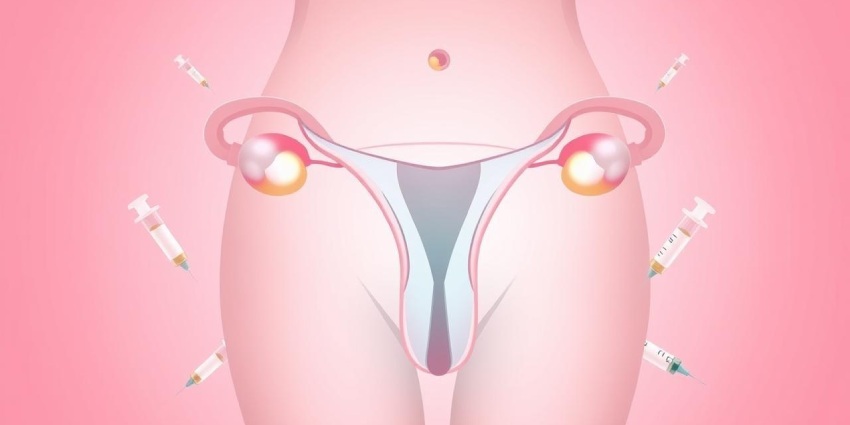

Understanding How Ovulation Induction Can Support Your Fertility Journey
If you’ve been trying to conceive but aren’t ovulating regularly, you’re not alone—and there are safe, proven options that can help. Ovulation induction uses targeted medications to stimulate egg release, offering hope to those with conditions like PCOS or unexplained infertility. Whether you’re just beginning to explore your options or preparing for treatment, let’s walk through what you can expect.
👉 Explore the full article here: Ovulation Induction Explained: Methods and Timing for Success
Ask Dr. Stan
1. What exactly is ovulation induction, and who is it for?
Ovulation induction is a medical process designed to help women who don’t ovulate regularly—or at all—produce mature eggs for conception. It’s especially helpful for those with anovulatory conditions like PCOS, or for anyone with irregular cycles that make timing difficult. This method can be used on its own or alongside other treatments like IUI or IVF.
2. How do ovulation induction medications work?
These medications stimulate your ovaries to develop and release eggs. Oral medications like Clomiphene Citrate and Letrozole are often first-line treatments. If those don’t work, injectable gonadotropins may be used to prompt more egg development. Always consult your physician to determine which medication and dosage are right for you, as close monitoring is essential for success and safety.
3. What are the chances of ovulation and pregnancy with these treatments?
Around 60–80% of women will ovulate using ovulation induction medications, and about half of those who ovulate go on to conceive. The success rate can depend on several factors like your age, overall health, and the underlying cause of infertility. These treatments have helped many women successfully become pregnant.
4. Are there risks with ovulation induction, like multiple pregnancies?
Yes, especially with stronger medications like gonadotropins, there’s a higher chance of twins or more. That’s why your doctor will closely monitor your ovaries using ultrasounds and blood tests to adjust your treatment if needed. The goal is to achieve safe, healthy ovulation—preferably one egg at a time when possible.
5. What conditions can ovulation induction treat?
This treatment is often used for PCOS, anovulation, luteal phase defects, and hyperprolactinemia. It can also help women with unexplained infertility or irregular cycles. Even if you don’t know the exact cause of your infertility, ovulation induction may still improve your chances of conception.
6. Who should avoid ovulation induction therapy?
It may not be appropriate for women with blocked fallopian tubes, premature ovarian failure, severe endometriosis, or certain genetic or hormonal conditions. Also, if male factor infertility is a major concern, ovulation induction alone might not be enough. Your provider will help determine the safest and most effective approach for your situation.
7. What are the most common ovulation induction medications?
Clomiphene Citrate and Letrozole are the most common oral medications. If those aren’t effective, injectable gonadotropins like Gonal-F or Menopur may be recommended. Sometimes, human chorionic gonadotropin (hCG) is used to trigger the final maturation and release of eggs. All medication plans should be tailored by your physician and monitored closely.
8. What’s the role of lifestyle changes in boosting ovulation success?
Lifestyle plays a big part. Losing 5–10% of your body weight (if overweight), eating a balanced diet, staying physically active, and managing stress can improve hormone balance and ovulation. For many women with PCOS, simple changes like these have a powerful impact—even before medication is started.
9. How is ovulation monitored during treatment?
Your provider will use a combination of transvaginal ultrasounds, blood tests to check hormone levels, and sometimes urine tests to detect LH surges. This monitoring helps determine the best time to administer a trigger shot or schedule insemination or intercourse for optimal timing.
10. What is OHSS, and should I be worried about it?
Ovarian Hyperstimulation Syndrome (OHSS) is a possible side effect of ovulation induction, especially with injectable medications. It happens when your ovaries become overly stimulated, leading to bloating, pain, and in rare cases, more serious symptoms. Fortunately, close monitoring and dose adjustments significantly reduce this risk. Always contact your doctor if you experience sudden or severe discomfort during treatment.