Understanding the IVF Journey
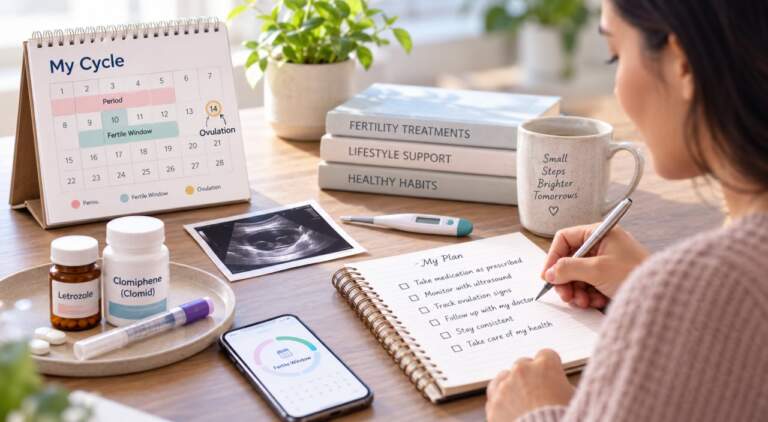
If you’re exploring IVF as part of your fertility path, you may be wondering how this treatment impacts your natural ovulation cycle. IVF involves carefully coordinated steps—like hormone injections, egg retrieval, and embryo transfer—that work together to boost your chances of pregnancy. Let’s break it all down so you know exactly what to expect.
Explore the full article here:
IVF and Your Natural Ovulation Cycle: What Changes to Expect
Ask Dr. Stan
1. Does IVF completely override my natural ovulation cycle?
Yes, in most IVF treatments, your natural ovulation cycle is intentionally paused using medications. This allows your fertility team to take control of hormone levels and timing, which is key to maximizing the number and quality of eggs retrieved. It’s a carefully managed process that’s designed to increase your chances of a successful pregnancy.
2. Why do I need to take birth control pills before starting IVF?
Though it may seem counterintuitive, birth control pills are often used before IVF to regulate your cycle and synchronize it with the treatment plan. This helps your clinic control hormone levels and ensure that egg development begins in the best environment. It’s an important early step in creating a predictable and effective cycle.
3. What do hormone injections do during IVF?
Hormone injections—typically containing FSH (follicle-stimulating hormone) and sometimes LH (luteinizing hormone)—stimulate your ovaries to produce multiple eggs instead of just one. These injections are essential for creating several mature eggs, which improves your odds of a successful fertilization and embryo transfer. Always follow your reproductive team’s guidance closely when using these medications.
4. What is a “trigger shot,” and when is it given?
A trigger shot, usually containing hCG (human chorionic gonadotropin), is the final step before egg retrieval. It mimics the natural LH surge that causes ovulation, prompting your eggs to mature fully and prepare for collection. It’s timed very carefully—typically 36 hours before retrieval—to ensure the eggs are just right for fertilization.
5. What happens during egg retrieval?
Egg retrieval is a quick, outpatient procedure done under light anesthesia. Using ultrasound guidance, your doctor removes the mature eggs from your ovaries with a small needle. Most women recover quickly, and the number of eggs retrieved depends on how your ovaries responded to stimulation. You’ll want to rest afterward, but recovery is usually smooth.
6. How does IVF impact my hormonal balance after egg retrieval?
After retrieval, your body may continue to feel the effects of the hormone medications, especially if many follicles have developed. You may experience bloating, fatigue, or mild cramping. Your fertility team will monitor hormone levels, especially progesterone, which plays a key role in preparing the uterus for implantation. If anything feels off, don’t hesitate to call your provider.
7. What’s the difference between a fresh and frozen embryo transfer?
Fresh transfers typically happen 3 to 7 days after egg retrieval, while frozen transfers are done in a later cycle. Frozen embryo transfers allow more time for your body to recover and your uterine lining to be perfectly prepared, and some studies suggest they may even improve success rates. Your doctor will help decide which approach is best for you.
8. Will I still ovulate normally after IVF treatment?
Yes, your natural ovulation cycle typically resumes in the months following an IVF cycle, unless you’re pregnant or undergoing ongoing treatment. It may take a little time for your hormones to rebalance, but most women return to their normal cycles within a few weeks. If your periods don’t come back as expected, let your provider know.
9. How soon will I know if IVF worked?
You’ll usually have a blood test to check for pregnancy about 9 to 14 days after your embryo transfer. This test looks for hCG, the hormone your body produces in early pregnancy. Waiting can be nerve-wracking, but try to stay positive—many women need more than one cycle to achieve pregnancy.
10. What should I keep in mind emotionally during IVF?
IVF can be emotionally and physically demanding. It’s okay to feel overwhelmed or anxious—this is a big step, and you don’t have to go through it alone. Surround yourself with supportive people, take breaks when needed, and don’t hesitate to seek counseling or support groups. Your emotional health matters just as much as the medical side of things.