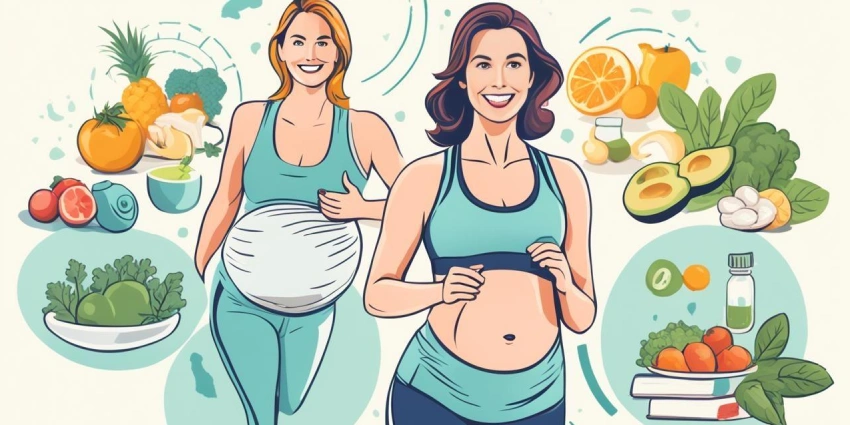

Polycystic Ovary Syndrome (PCOS) can make getting pregnant more challenging—but it’s not the end of your journey. From lifestyle changes to medications and fertility treatments, there are practical steps you can take to boost your chances of conceiving. The key is understanding your body and getting the right support.
👉 For strategies to improve fertility while managing PCOS, read the full article here
Ask Dr. Stan
1. What is PCOS and how does it affect fertility?
Polycystic Ovary Syndrome, also known as Polycystic Ovarian Syndrome (PCOS), is a hormonal disorder that may cause irregular periods, higher androgen levels, and small cysts on the ovaries. It can affect ovulation, making it harder to conceive.
2. Why is PCOS underdiagnosed despite being common?
Many people with PCOS don’t experience all classic symptoms, and diagnosis considers a combination of clinical signs and tests. Less than half of those affected know they have it.
3. How does PCOS disrupt ovulation and menstrual cycles?
PCOS may cause irregular or absent ovulation due to hormone imbalances. This unpredictability makes it more difficult to identify the fertile window. Natural conception is possible but may require additional tracking.
4. What is the role of insulin resistance in PCOS?
Up to 70% of people with PCOS have insulin resistance, which indirectly may increase androgen levels. Elevated androgen levels may contribute to ovulatory dysfunction. Fertility problems are possible.
5. How can weight management improve fertility in PCOS?
Losing even 5–10% of body weight can restore ovulation, improve insulin sensitivity, and significantly increase pregnancy chances in those who are overweight.
6. What dietary changes are recommended for PCOS and conception?
A diet rich in whole grains, fruits, vegetables, lean proteins, and healthy fats supports hormonal balance and reduces inflammation—both vital for fertility.
7. Can exercise help manage PCOS symptoms and aid conception?
Yes. At least 120 minutes of moderate exercise per week can improve weight, hormone levels, and ovulation regularity, enhancing fertility.
8. How does stress impact fertility in PCOS patients?
Chronic stress affects hormone regulation. Techniques like prayer, yoga, meditation, and mindfulness can help balance stress-related hormone disruptions and support reproductive health.
9. What medications are commonly used to treat PCOS-related infertility?
Metformin is used to reduce insulin resistance, while ovulation induction medications like Clomid and letrozole stimulate egg release. Your healthcare provider may recommend one or both.
10. Are there surgical options for treating PCOS-related infertility?
Ovarian drilling, a laparoscopic procedure, can help ovulation by reducing androgen-producing fluid in the small ovarian cysts.
11. What are the risks of fertility medications for PCOS?
Risks include multiple gestation (twins or triplets), ovarian hyperstimulation syndrome (OHSS), and hormonal side effects. These should be carefully monitored by your women’s health provider.
12. When should someone with PCOS consider IUI or IVF?
Reproductive endocrinologists may be consulted when the woman is less than 35 years old and has tried to conceive for 12 months with no success. If the woman is over 35 years old, she may ask for this consultation after 6 months without conception. If lifestyle changes and medications haven’t worked after several cycles, a reproductive specialist may recommend IUI or IVF to improve the chances of conception.
13. What are the success rates of IVF for people with PCOS?
IVF has high success rates in women with PCOS, especially when combined with weight management and hormonal regulation. It’s often effective after other options fail.
14. What nutrients are recommended for those with PCOS trying to conceive?
Folic acid, vitamins B6, B12, C, D, E, and CoQ10 support hormone balance and may improve egg quality. Myo-inositol supplements have also shown promise in boosting ovulation.
15. What foods should be avoided with PCOS when planning for pregnancy?
Limit high-sugar foods, refined carbs, and trans fats. These can worsen insulin resistance and hormonal imbalance, making it harder to conceive.