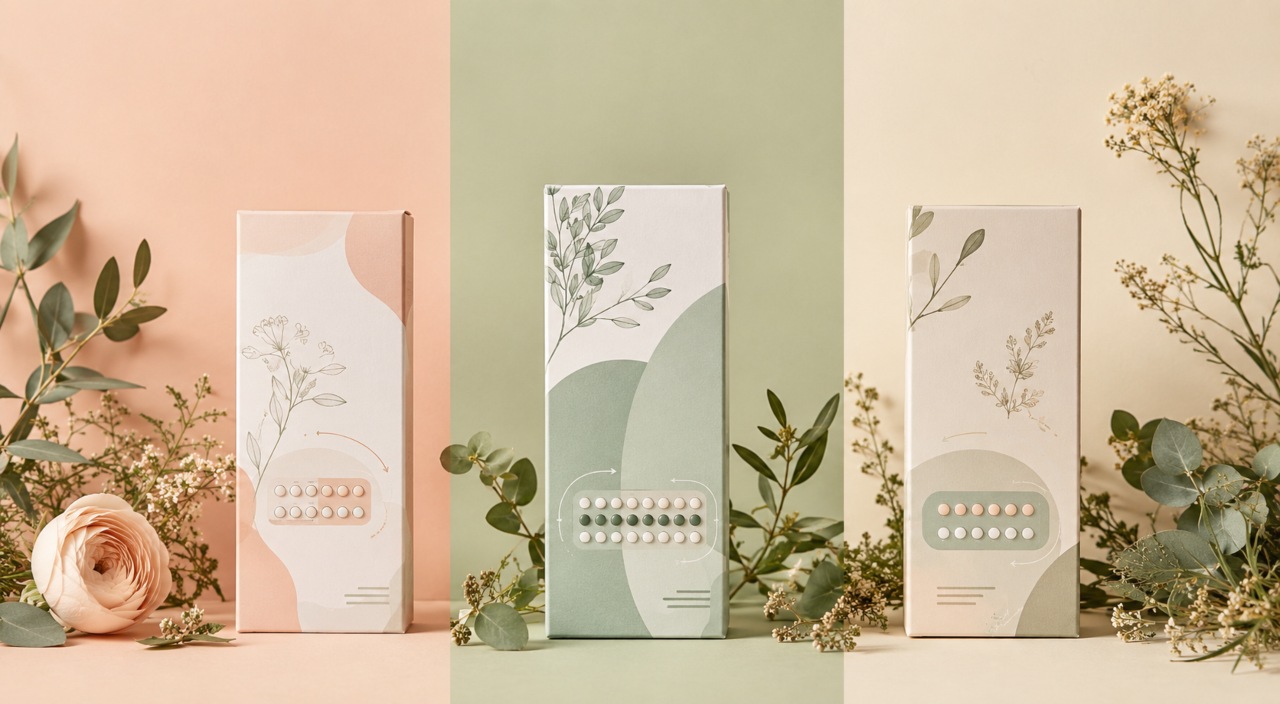

Did you know that up to 85% of women get pregnant within a year of stopping birth control? Stopping birth control is a decision because you want a break or you are planning to get pregnant. Talk to your women’s healthcare provider for guidance to stop or change any therapy.
When you stop taking hormonal birth control, your body goes back to depending on your ovaries to work normally. This change may affect your menstrual cycle and other symptoms. Some might lose weight, especially if they gained weight while on birth control. Your body might take about three months to regulate your natural hormone levels. The type of birth control you used—like pills, patches, rings, and IUDs—affects what you might experience.
Key Takeaways
- Up to 85% of former pill users get pregnant within a year.
- It may take about three months for the body to normalize hormone levels after stopping birth control.
- Consult with healthcare providers to navigate stopping contraceptives safely.
- Weight changes are possible, and may decrease upon cessation.
- Mood and physical adjustments are common during the transition period.
Reasons for Transitioning Off Birth Control
Many people decide to stop using birth control for different reasons. Here are some common reasons for stopping hormonal birth control.
Side Effects
The side effects of birth control vary and can be a big reason to stop. Mood swings, headaches, abnormal bleeding, and changes in weight are common. Breast tenderness is another common side effect that may improve after discontinuation of the pill. Infrequently, coincidental health problems as high blood pressure or history of blood clots may prevent use of some birth control methods.
Desire to Get Pregnant
Many stop birth control to start a family. Ovulation usually returns within 3 months after stopping it. Then, pregnancy is possible. Regular menstrual cycles usually come back within three months of stopping hormonal birth control. But, it can vary by the birth control method used before. For example, those on pills or using vaginal rings might see fertility return in three cycles. But, it could take longer for Depo-Provera® shot users.
Trying Different Contraceptive Methods
Wanting to try another form of birth control is another reason to stop. Some may seek non-hormonal options like condoms or copper IUDs. These choices are good for those who hope to avoid hormonal side effects or need a method that fits their lifestyle better. Looking at different methods allows for more control and comfort during this switch.
Immediate Effects of Stopping Birth Control
Pregnancy is possible after stopping hormonal birth control. Your body’s fertility may quickly return. Consulting your women’s healthcare professionals is beneficial when stopping hormonal contraceptives, as the effects on menstrual cycle and reproductive hormones with overall hormone levels can vary significantly.
Irregular periods are another change. Your body is getting used to no hormones. You might see changes in your period’s flow and timing. Heavier periods and acne are possible side effects. These changes are usually not permanent as your body adjusts.
Everyone reacts differently to stopping birth control. Some might have headaches, weight changes, and mood swings. This happens as hormone levels become normal. While some women may face post-birth control syndrome, many see their side effects lessen over time.
Stopping birth control pills may lower your Vitamin D levels. Watching your nutrients can help with this. You might also have heavier periods and worse PMS than before. Monitoring these changes is important.
If you have worrying symptoms after a few months, see a women’s healthcare provider. Or if your period hasn’t come back in three months. This is to make sure you are healthy as you stop using the birth control pill.
Managing Potential Side Effects After Stopping Birth Control
Stopping oral contraceptives can lead to many changes as your body returns to its natural hormonal balance. It’s important to know and manage these side effects for your reproductive health.
Changes in Menstrual Cycle
After stopping birth control, your menstrual cycle might change. You could have irregular periods or different amounts of bleeding. After 3 months, 97% of women find their cycle normalizes. To help with these changes, eat a nutritious diet and drink plenty of water. Regular exercise also helps get your cycle back on track.
Changes in Mood and Emotions
The hormones in birth control can affect your mood. After stopping, you might notice mood swings or changes in how you feel. Some find their mood improves overall. To handle these changes, exercise, try stress management, and get enough sleep. These practices can smooth out the emotional changes you experience.
Physical Changes
Stopping hormonal birth control may also lead to physical changes. Some women report weight gain, mainly with progesterone-only birth control. They may also experience moodiness or acne. So stopping the birth control may result in improvement in these physical changes. A small percentage of women report an increase in sex drive after stopping the pill.
Living a healthy lifestyle with a good diet and exercise helps with these changes. Mostly, these symptoms are known hormonal side effects. The same symptoms can be experienced by the woman with no birth control.
Transitioning Off Birth Control Safely
Always talk to a women’s healthcare provider for advice and an easier transition from birth control. Knowing how to stop using birth control safely depends upon the method of birth control. Your women’s health provider will tell you how to stop, depending on whether you use pills, IUDs, or implants.
Your body may take time to get back to its natural hormonal balance and menstrual cycle. Fertility usually comes back soon after stopping birth control. Sometimes with the Depo-Provera® shot, it might take more than three months for fertility to return.
For those with IUDs or hormonal implants, your period should return shortly. It can be within a few weeks after removal, but it could take several months to become regular again. For those with an intrauterine device (IUD) or progesterone subcutaneous implant, you must have the help of your women’s health provider for removal. Do not try to remove them on your own!
You may notice some differences after stopping birth control. Irregular periods happen to almost 60% of women once they stop. For some, things get back to normal in a few months. But for others, it might take longer. Stopping can also bring back symptoms birth control was managing, like acne, PMS, cramps, or heavy periods.
To help with these changes, you might want to:
- Cycle Tracking: Use apps to keep an eye on your menstrual cycle.
- Nutritional Support: Eat foods high in B vitamins, magnesium, zinc, vitamin C, and folate for hormone balance.
- Lifestyle Adjustments: Eat fiber-rich foods and stay active.
Hormonal vs. Non-Hormonal Methods: What to Expect
When deciding between Hormonal and Non-Hormonal Birth Control, it’s beneficial to know what to expect. Each type has different impacts on your body and lifestyle. Think carefully before choosing.
Hormonal IUD
Hormonal IUDs like Mirena and Skyla can last 3 to 8 years. They contain progesterone and gradually release the hormone within the uterus. You will need an office procedure to insert it. At the proper time, it can be removed. After removal, fertility might return quickly.
Their effectiveness is high, but there are possible infrequent side effects. These include weight gain, headaches, and irregular bleeding. Consider these before choosing an IUD.
Non-Hormonal Options
Non-Hormonal methods include the copper IUD and condoms. They don’t use hormones to prevent pregnancy. The copper IUD works up to ten years, but may cause heavy periods and cramps.
Other options like diaphragms are 71-86% effective. This method is not as popular as in the past. Costs vary widely. While these methods avoid hormonal side effects, you should discuss the advantages and disadvantages with your healthcare provider.
Fertility Awareness and Natural Family Planning
Fertility awareness and natural family planning are getting more popular for those seeking pregnancy or who desire a non-hormonal approach to birth control. These methods require you to know and track your menstrual cycles. This helps figure out when you’re most likely to get pregnant. In the United States, about 1% of women on birth control use this method. Around the world, it’s 3.6%.
Tracking Your Cycle
Keeping track of your menstrual cycle is part of fertility awareness and planning. You’ll need to make daily notes to monitor your status.
You can do this through:
- Monitoring basal body temperature: After you ovulate, your temperature slightly rises.
- Tracking cervical mucus: Changes in your mucus can tell you ovulation is near.
- Using ovulation predictor kits: These kits find hormone surges before ovulation.
- Maintaining a menstrual calendar: Keeping track of cycle dates helps predict fertile times.
Using these methods together increases their accuracy. If done right, planning like this can be 99% effective. However, if you do not pay attention to the details of this approach, it can lead to a 24% failure rate. This shows why detailed tracking is critical.
Recognizing Signs of Ovulation
Knowing when you’re ovulating is vital for fertility awareness.
Look out for these signs:
- Basal Body Temperature Shift: A small rise in temperature, about 0.5 to 1 degree Fahrenheit, happens after ovulation.
- Cervical Mucus Changes: Right before ovulating, mucus becomes clear, stretchy, and slippery, like raw egg whites.
- Mid-Cycle Pain (Mittelschmerz): Some women feel a light ache or pain on one side of their lower abdomen during ovulation.
- LH Surge Detection: Ovulation predictor kits help spot a rise in luteinizing hormone, which starts ovulation.
Identifying these signs can make natural planning and fertility awareness more effective. It’s important to remember that stress, sickness, and medications can affect these signs. So, keeping up with tracking and taking care of your health is essential.
Impact on Fertility After Transitioning Off Birth Control
Stopping birth control is a big step in pregnancy planning. Women often take hormonal contraception and wonder how it affects their fertility. The time to conceive varies by the contraceptive type used.
Timeframe to Conceive
Knowing when you might conceive after stopping most birth control methods is key. Stopping one birth control method can significantly impact your menstrual cycles, fertility, and emotional health. Fertility usually returns within a few months for most women. Whether you used pills, patches, or IUDs, pregnancy might happen a few months after stopping.
Women who use oral contraceptives (birth control pill), the birth control patch or vaginal ring tend to be more fertile after stopping. Those with an IUD or skin implants might ovulate a few months after removal. Ovulation can be unpredictable until you keep up with your cycle. Pregnancy usually occurs within 6 months to a year.
The Depo-Provera shot can delay fertility longer. Ovulation might return 1 to 3 months after stopping patches or rings. But, it’s safe to try for a baby right after stopping birth control.
Understanding Post-Birth Control Syndrome
Post-Birth Control Syndrome doesn’t happen to every woman after she stops birth control. It can occur about 4 to 6 months after stopping oral contraceptives. Symptoms are from your body’s normal function due to its natural hormone production. Women may report menstrual problems, acne, stomach problems, weight gain, and mood swings.
Symptoms of Post-Birth Control Syndrome start a few months later and may appear in women who used birth control like pills, IUDs, implants, or rings. While some bounce back with time, others need more help. It’s important to be patient during this time. Menstrual cycles might take time to normalize. Initially, cycles can be irregular with symptoms lasting longer for some.
Lifestyle and dietary changes help in recovering from Post-Birth Control Syndrome. If symptoms are bad or long-lasting, see your women’s healthcare provider, especially if you’re trying to get pregnant. Another reason to seek consultation is if your period hasn’t restarted six months after stopping birth control.
In certain cases, your provider may suggest hormone treatments for symptom relief. There can be nutritional deficiencies from birth control, like vitamins B12, B6, C, E, folate, and selenium. .
Expert Tips on Discontinuing Oral Contraceptives
When you decide to stop using birth control, do it with care and thought. Talk to your healthcare provider to get advice that fits your personal health needs.
Consulting Your Healthcare Provider
Talking about stopping or starting birth control again with your provider helps manage potential side effects. It’s key to discuss potential mood swings and changes in your period. They can offer plans that might include lifestyle changes and diet tips tailored to you.
Gradual vs. Immediate Stopping
You may wonder if you should quit birth control pills slowly or all at once. Experts say you usually don’t need to stop them gradually. Most people’s periods go back to normal in 2 to 3 months. It is possible for you to ovulate as soon as you stop birth control, so be aware. If you experience symptoms of pregnancy, you should take a pregnancy test or connect with your healthcare provider.
Knowing about common side effects helps so that you are not surprised. You might experience weight shifts, acne, or mood changes. Your cycle should stabilize in about three months. Diet, exercise, and managing stress help keep your hormones balanced.
Alternatives to Birth Control for Managing Reproductive Health
Non-Hormonal Methods
People choose non-hormonal birth control because it doesn’t use synthetic hormones. Condoms protect against pregnancy and STIs. Diaphragms with spermicide have a low chance of pregnancy but are not a common method with more modern options.
Copper IUDs are very reliable. Copper IUDs are over 99% effective at preventing pregnancy. For those women who are not interested in future pregnancy, tubal sterilization is an outpatient surgical option and almost 100% effective. It’s a big decision since it’s permanent.
Lifestyle Adjustments
You can also manage fertility with lifestyle changes. This includes tracking your cycle to pinpoint ovulation. These methods involve charting your temperature and checking cervical mucus. Being careful with these techniques helps in knowing when you’re most fertile.
FAQ
What changes can I expect when transitioning off birth control?
When you stop birth control, your body might react differently. You could see changes like irregular periods or mood shifts. Physical changes may include weight fluctuations and different menstrual flows. It’s key to watch these changes and talk to a doctor if needed.
Why do people choose to transition off birth control?
People might stop taking birth control for a few reasons. They could have side effects like mood changes or weight gain. Some may want to get pregnant. Others are looking into new ways to manage reproductive health or want a non-hormonal option.
What are the immediate effects of stopping birth control?
Right away, you might face a risk of pregnancy or have irregular periods. Menstrual discomfort and pre-birth control symptoms like acne or mood changes can return. Watching your body’s reaction and getting advice when needed is crucial.
How can I manage potential side effects after stopping birth control?
To handle side effects, focus on self-care. Eat well, exercise, drink plenty of water, and manage pain as needed. Keep an eye on your cycle, mood, and body changes.
How can I transition off birth control safely?
For a safe transition, talk clearly with your doctor. Know the steps for stopping your birth control. Learning how your fertility returns will guide your next steps in avoiding or using birth control stay planning for pregnancy.
What should I expect when switching from hormonal to non-hormonal birth control methods?
Switching to non-hormonal options may have painful periods and bring heavier periods and more cramps. This is common with choices like the copper IUD. Talk with your doctor about what to expect and how to manage these changes.
How can fertility awareness and natural family planning methods help post-transition?
These methods track ovulation through temperature, cervical mucus, and ovulation kits. They help you know your fertile times. This way, you can manage your reproductive health without hormones.
How can transitioning off birth control impact my fertility?
Fertility often returns quickly after stopping birth control. Ovulation can happen soon. Yet, it may take a few months for cycles to become regular. Talking to a doctor about your contraceptive’s effect on your body can offer insight.
What is post-birth control syndrome?
This syndrome includes symptoms experienced after stopping hormonal birth control. You may see menstrual irregularities, skin issues, and mood changes. Recognizing this as a transition phase and being patient as your body adjusts is vital.
What expert tips should I consider when discontinuing oral contraceptives?
Talk to your healthcare provider for advice specific to your situation. Deciding how to stop—gradually or at once—depends on your health and fertility goals. Professional advice can make the process smoother.
What alternatives to traditional birth control methods exist for managing reproductive health?
Consider non-hormonal options like condoms or sterilization, or track your menstrual cycle closely. Knowing when you ovulate helps manage reproductive health naturally. Understanding your body well is essential for these methods.
References
- Quitting the Pill: How Your Body May Change – https://www.webmd.com/sex/birth-control/stopping-pill-10-ways-body-changes
- What Could Happen to Your Body When You Quit Birth Control – https://www.health.com/condition/menstruation/period-going-off-birth-control-pills
- Going Off Birth Control: Effects on Periods, Fertility, and More – https://www.healthline.com/health/birth-control/going-off-birth-control
- Birth control: Your questions, answered – https://www.mayoclinic.org/healthy-lifestyle/birth-control/in-depth/birth-control-pill/art-20045136
- Your Full Guide To Getting Off Birth Control & What to Expect – Women’s Health Arizona – https://www.womenshealthaz.com/guide-to-getting-off-birth-control/
- Stopping Birth Control: Effects on Periods, Fertility & More – https://www.naturalcycles.com/cyclematters/stopping-birth-control
- Stopping birth control: Side effects and remedies – https://www.medicalnewstoday.com/articles/stopping-birth-control
- Going Off Birth Control? Here Are 9 Possible Things to Expect – https://www.health.com/condition/birth-control/stopping-birth-control
- Getting Off Birth Control: Frequently Asked Questions – https://www.lifespan.org/lifespan-living/getting-birth-control-frequently-asked-questions
- What to Expect When You Come Off the Pill – https://www.health.com/condition/birth-control/what-happened-when-i-went-off-hormonal-birth-control-pills
- Going Off Birth Control? Potential Side Effects and Benefits | Ro – https://ro.co/birth-control/birth-control/
- What To Expect When Getting Off Birth Control – https://www.forbes.com/health/womens-health/what-to-expect-after-getting-off-birth-control/
- Your Guide to Going Off of Birth Control – https://health.clevelandclinic.org/your-guide-to-going-off-of-birth-control
- 4 Ways to Prepare Your Body to Get Off Birth Control – https://drjennarayachoti.com/blog/4-ways-to-prepare-your-body-to-get-off-birth-control
- Choosing Between Hormonal and Nonhormonal Birth Control – https://www.healthline.com/health/birth-control/hormonal-vs-nonhormonal-birth-control
- Patient education: Hormonal methods of birth control (Beyond the Basics) – https://www.uptodate.com/contents/hormonal-methods-of-birth-control-beyond-the-basics/print
- Natural Family Planning – StatPearls – https://www.ncbi.nlm.nih.gov/books/NBK546661/
- Natural family planning (fertility awareness) – https://www.nhsinform.scot/healthy-living/contraception/natural-family-planning-fertility-awareness/
- Fertility Awareness Methods | Natural Birth Control – https://www.plannedparenthood.org/learn/birth-control/fertility-awareness
- Getting Pregnant After Birth Control – https://www.webmd.com/baby/get-pregnant-after-birth-control
- Return of fertility after discontinuation of contraception: a systematic review and meta-analysis – https://www.ncbi.nlm.nih.gov/pmc/articles/PMC6055351/
- What Exactly Is ‘Post-Birth Control Syndrome’? – https://www.healthline.com/health/post-birth-control-syndrome
- What Is Post-Birth Control Syndrome? – https://www.verywellhealth.com/what-you-need-to-know-about-post-birth-control-syndrome-5206977
- What Is Post-Birth Control Syndrome + How to Heal – https://drbrighten.com/post-birth-control-syndrome/
- Coming Off The Pill: Possible Side Effects & Tips to Manage Them – https://hertilityhealth.com/blog/coming-off-the-pill
- What Does It Feel Like to Stop Birth Control? – https://www.urmc.rochester.edu/news/publications/health-matters/how-to-stop-birth-control
- Considering going off birth control pills? Here’s what experts want you to know first – https://www.wellandgood.com/the-wellgood-guide-to-quitting-birth-control-pills/
- Non-hormonal Birth Control – https://www.webmd.com/sex/birth-control/non-hormonal-birth-control-options
- Birth Control: Forms, Options, Risks & Effectiveness – https://my.clevelandclinic.org/health/articles/11427-birth-control-options
- Birth control options: Things to consider – https://www.mayoclinic.org/healthy-lifestyle/birth-control/in-depth/birth-control-options/art-20045571