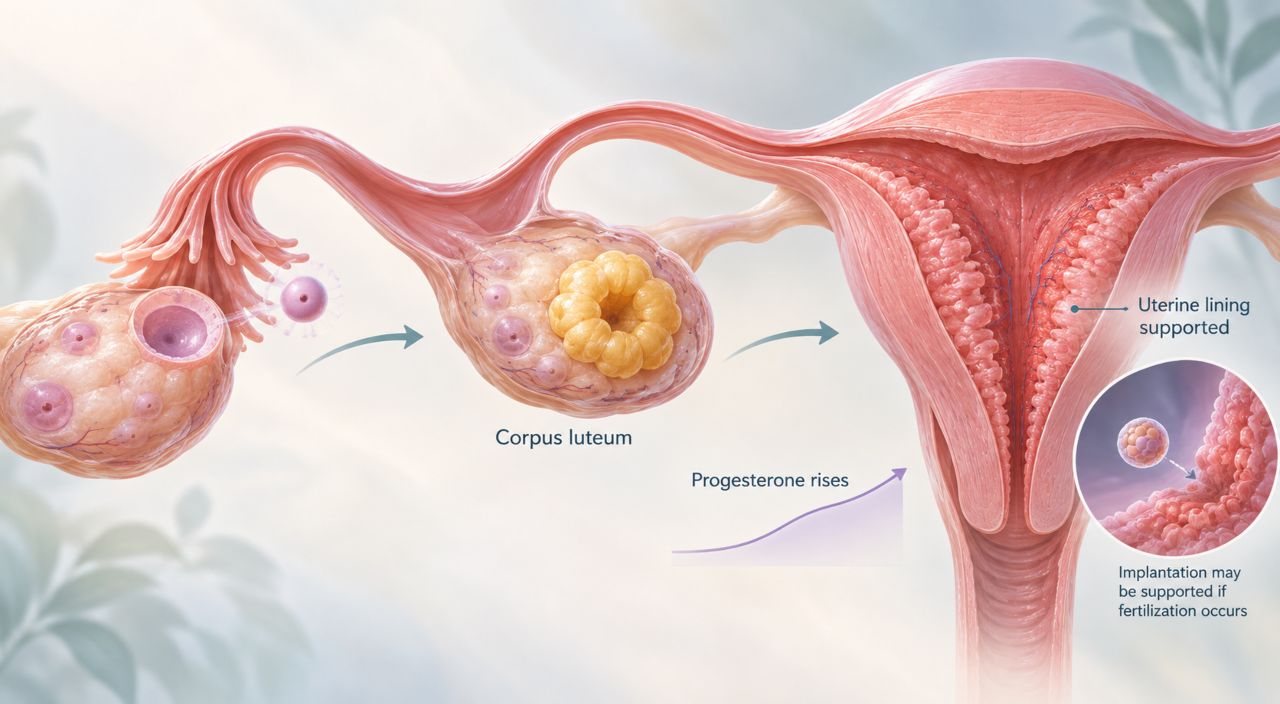

If you’re trying to conceive or simply want to better understand your menstrual cycle, getting to know your luteal phase is a powerful step. This important window between ovulation and your period plays a vital role in preparing the body for pregnancy—and when it’s out of sync, it can affect fertility in surprising ways.
Learn more about how your luteal phase affects fertility here:
👉 Your Luteal Phase and Fertility: Why It’s Critical for Pregnancy
Ask Dr. Stan
1. Dr. Stan, what exactly is the luteal phase and why does it matter?
The luteal phase is the second half of your menstrual cycle—starting after ovulation and ending just before your next period. It’s crucial because this is when progesterone rises to prepare your uterine lining for a possible pregnancy. A healthy luteal phase provides the right environment for an embryo to implant and grow.
2. How long should a typical luteal phase be?
A normal luteal phase lasts between 11 and 17 days, with most women falling in the 12 to 14-day range. If it’s consistently shorter than 10 days, this may signal a luteal phase deficiency, which could make it harder to conceive. If you’re tracking your cycle and noticing irregularities, I encourage you to speak with your women’s health provider.
3. What are signs that I’m in the luteal phase?
You might notice subtle shifts like breast tenderness, mood changes, bloating, or a slight rise in basal body temperature. These symptoms are similar to PMS and happen due to hormonal changes, especially the rise in progesterone. These clues can help you better understand your cycle’s rhythm.
4. What is luteal phase deficiency, and how does it affect fertility?
Luteal phase deficiency (LPD) happens when the uterine lining doesn’t properly develop to support a pregnancy—usually because of low progesterone levels or a shortened phase. This can make it difficult for an embryo to implant, increasing the risk of infertility or early miscarriage. If you’re concerned, your doctor can run hormone tests and ultrasounds to evaluate further.
5. Can I track my luteal phase at home?
Yes! One of the best ways is by tracking your basal body temperature daily. A sustained rise in temperature after ovulation suggests you’re in the luteal phase. You can also monitor your cervical mucus, which typically becomes thick and sticky after ovulation. Many women also use fertility apps or ovulation predictor kits for added insight.
6. Are there ways to naturally support a healthy luteal phase?
Definitely. Eating a balanced diet rich in leafy greens, whole grains, and healthy fats supports hormonal balance. Managing stress, staying active, and getting enough sleep also help. Specific nutrients like B vitamins, magnesium, and omega-3s can be beneficial—but always check with your provider before starting supplements.
7. What medical treatments are available for luteal phase issues?
When lifestyle changes aren’t enough, medical options like progesterone supplementation, Clomiphene Citrate, or hCG injections may be recommended. These help strengthen the luteal phase and improve chances of implantation. Your treatment plan should always be customized by your doctor based on hormone levels, cycle tracking, and fertility goals.
8. Can a short luteal phase be fixed?
In many cases, yes. A short luteal phase may be due to stress, thyroid issues, PCOS, or other hormonal imbalances. Identifying the cause is the first step. Once diagnosed, treatment might include medication, nutrition adjustments, or targeted therapies. If you suspect your luteal phase is too short, it’s worth discussing it with your women’s health provider or fertility specialist.
9. How does the luteal phase connect to natural family planning?
Natural family planning relies on understanding your cycle phases, including the luteal phase. By recognizing ovulation signs and luteal patterns, couples can better time intercourse for conception—or avoid pregnancy. It’s an empowering tool when used correctly, especially when combined with tracking temperature and cervical mucus changes.
10. When should I talk to a doctor about luteal phase concerns?
If you’re struggling to conceive, experiencing early miscarriages, or tracking a luteal phase that’s consistently under 10 days, it’s time to see a provider. A fertility evaluation can help uncover underlying issues, and timely treatment can make a significant difference. Always reach out with any concerns—you’re not alone on this journey.