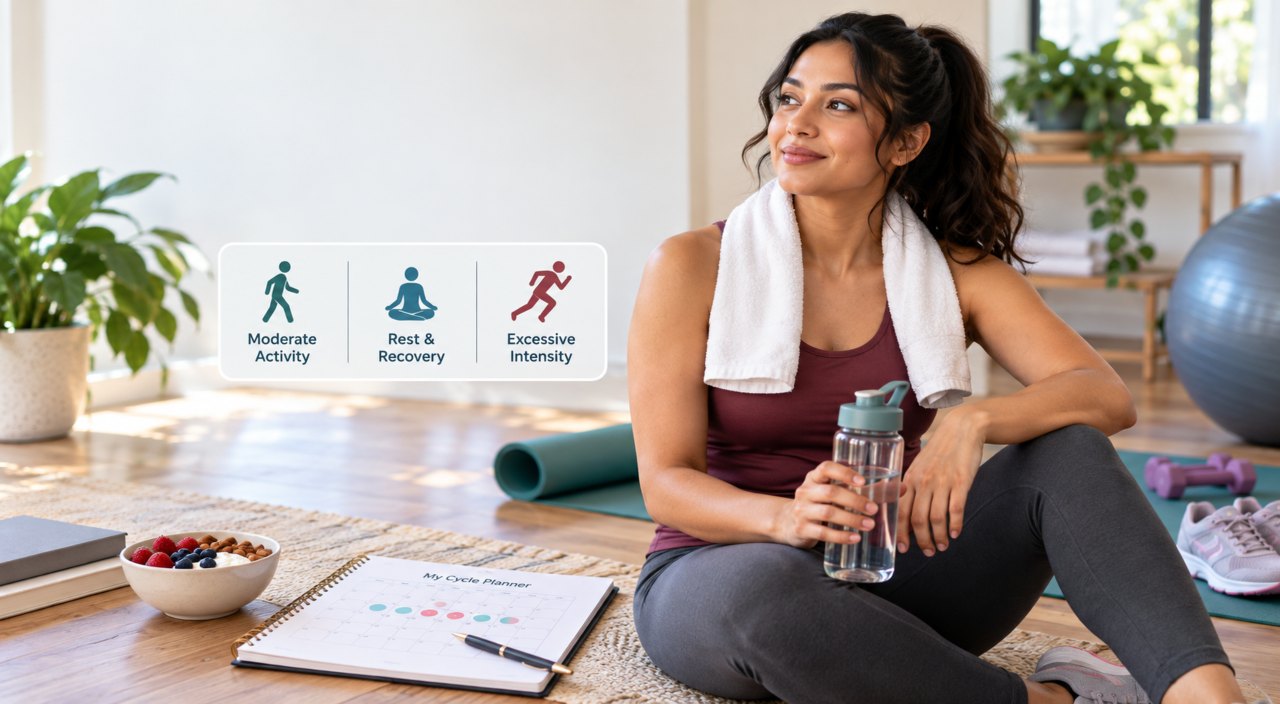

Finding the Fertility Fitness Sweet Spot
When you’re trying to conceive, the right kind of movement can make all the difference. Gentle, consistent exercise helps regulate hormones, supports ovulation, and promotes overall reproductive health. But overdoing it can backfire. In this Q&A, we’ll explore how to strike the right balance to support your fertility journey—without overwhelming your body.
Read the full article here:
Exercise and Fertility: Striking the Balance for Healthy Ovulation
Ask Dr. Stan
1. Can exercise really boost my fertility?
Yes, it can. Regular, moderate-intensity exercise helps balance hormones, maintain a healthy weight, and improve blood flow to reproductive organs—all of which are essential for ovulation and fertility. Just 30 minutes of daily movement can make a real difference when you’re trying to conceive.
2. How much exercise is considered “too much” when TTC?
Overexercising—especially high-intensity or long-duration workouts—can disrupt your hormonal balance and even stop ovulation in some women. As a rule of thumb, aim for around 150 minutes of moderate activity per week and avoid exceeding 60 minutes a day unless your doctor gives the green light. Always consult your healthcare provider to tailor an exercise plan to your fertility goals.
3. What types of exercise are best for supporting ovulation?
Activities like brisk walking, swimming, cycling on a stationary bike, and fertility-focused yoga are all great choices. These help increase blood circulation to the pelvic area without overstressing your body. They also reduce cortisol (a stress hormone) that can interfere with reproductive health.
4. Can exercise improve fertility for men, too?
Absolutely. Moderate exercise boosts sperm count, motility, and overall quality in men. It’s a great way to improve reproductive health as a couple. That said, overtraining or heavy lifting can lower testosterone and sperm production, so moderation is still key.
5. How does body weight influence fertility?
Your weight plays a big role in hormonal balance. Women who are significantly underweight or overweight may experience irregular or absent ovulation. Achieving a healthy BMI through diet and consistent, moderate exercise can help regulate cycles and improve the chances of conception.
6. I have PCOS. Will exercising help with my fertility?
Yes—especially if your PCOS is linked to insulin resistance. Aerobic exercise combined with strength training can improve insulin sensitivity, promote regular cycles, and enhance ovulatory function. Always discuss your exercise plan with your healthcare provider to ensure it supports your specific needs.
7. Should I change my workout routine while undergoing fertility treatments like IVF?
Yes, you may need to modify your workouts. During egg stimulation and the transfer phase, it’s best to avoid intense activity that could interfere with ovarian blood flow or implantation. Easy walking, stretching, or restorative yoga are safer choices during this time. Talk to your women’s health specialist for personalized guidance.
8. Can stress affect my ability to conceive, and does exercise help?
Chronic stress can impact hormone levels and disrupt ovulation. Exercise is one of the best natural stress relievers—it boosts endorphins and reduces anxiety. Just be mindful not to overdo it. Incorporating relaxing activities like yoga, stretching, or mindful movement into your routine can be especially helpful.
9. Are there exercises I should avoid when trying to get pregnant?
High-impact, high-heat, or overly intense workouts—like hot yoga, long-distance running, or vigorous HIIT sessions—can throw off your cycle and reduce your chances of conceiving. Instead, focus on low-impact, moderate-intensity activities that support hormonal balance and blood flow.
10. What’s your best advice for someone creating a fertility-friendly fitness routine?
Listen to your body, stay consistent, and keep it balanced. Choose activities you enjoy, aim for 3–5 sessions a week, and avoid pushing to extremes. If you’re planning pregnancy or actively trying to conceive, talk to your women’s health provider about an exercise routine that fits your health profile and fertility goals.