
Eating for Ovulation Health
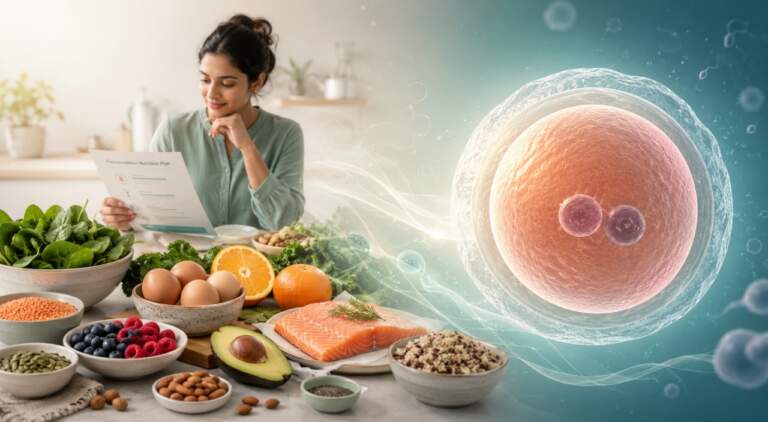
What you put on your plate can make a big difference in your journey to parenthood. The right foods help regulate your hormones, support ovulation, and improve your overall reproductive health. Today, we’re exploring how diet choices impact fertility and what steps you can take to nourish your body in preparation for pregnancy.
Read the full article here: How Diet Impacts Ovulation: Foods to Support or Avoid for Fertility
Ask Dr. Stan
1. How exactly does diet affect my ovulation?
Diet plays a central role in hormonal regulation and ovulation. When you eat foods rich in vitamins, minerals, and healthy fats, you support the hormonal balance needed for regular ovulation. On the flip side, nutrient deficiencies and processed foods can disrupt this balance and make ovulation less predictable or even absent altogether.
2. Are there specific nutrients that are especially helpful for ovulation?
Absolutely. Folic acid, iron, and vitamin D are particularly important. Folic acid supports healthy cell division and egg development, while iron helps with oxygen transport to reproductive organs. Vitamin D also supports hormonal function and may improve success rates in fertility treatments. Always speak with your women’s health team before starting any supplements.
3. Can being overweight or underweight affect my chances of ovulating?
Yes. Both extremes can interfere with ovulation. Being overweight can lead to hormonal imbalances, while being underweight can suppress ovulation altogether. Losing just 5–10% of body weight, if you’re overweight, can help restore ovulation. Maintaining a healthy BMI is one of the most powerful ways to support your fertility.
4. What types of foods support regular ovulation?
Focus on a whole-foods diet: colorful fruits and vegetables, whole grains, legumes, healthy fats from nuts and seeds, and lean proteins. These foods contain the nutrients your reproductive system needs. Omega-3-rich foods like salmon and chia seeds are particularly helpful for hormone production and ovulation support.
5. Are there foods I should avoid to protect my fertility?
Try to limit processed foods, refined sugars, and trans fats, which can negatively affect hormone levels. Excessive caffeine and alcohol may also disrupt ovulation. If you’re trying to conceive, moderation is key—aim for fewer processed snacks and more nutrient-dense choices.
6. How does the Mediterranean Diet help with fertility?
The Mediterranean Diet emphasizes fruits, vegetables, whole grains, healthy fats, and lean protein, while reducing red meat and sweets. Studies show that following this pattern improves fertility outcomes, including success rates in IVF. It’s not just good for your heart—it’s good for your reproductive health too.
7. Can carbohydrates affect ovulation?
Yes, but it depends on the type. Complex carbohydrates like whole grains and legumes break down slowly and help maintain stable blood sugar, which supports hormonal balance. Simple carbs, like white bread and sugary drinks, can spike insulin levels and contribute to ovulatory dysfunction.
8. What role does insulin resistance play in ovulation issues?
Insulin resistance can disrupt normal ovarian function and lead to conditions like PCOS, which is a common cause of irregular ovulation. Diets with a high glycemic load may increase insulin resistance. Eating low-glycemic foods can help regulate insulin levels and support ovulatory health.
9. Should I take a prenatal vitamin before trying to get pregnant?
Yes, taking a prenatal vitamin that includes folic acid is recommended for most women during preconception. Folic acid helps prevent birth defects and supports healthy ovulation. But before starting any supplement routine, always consult with your healthcare provider.
10. How soon could I expect to see fertility improvements with dietary changes?
While each one is different, many women may see improvements in ovulation and cycle regularity within a few months of adopting healthier eating habits. Patience and consistency are key. If you’ve been trying to conceive without success, it’s wise to speak with your women’s health provider to explore further options and personalized recommendations.