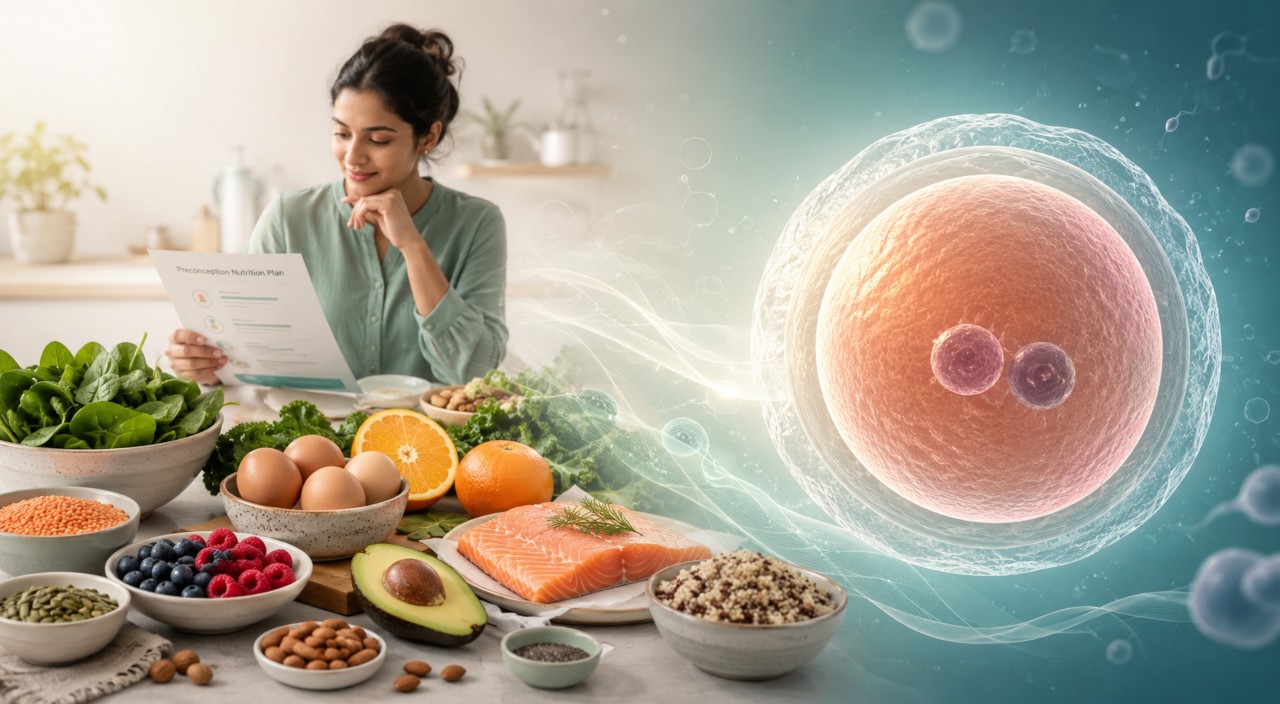

A zygote is the remarkable single cell formed when an egg and sperm unite, marking the earliest stage of a developing pregnancy. Nutrition before conception helps create a healthy foundation by providing nutrients your body needs to support reproductive health and the earliest stages of development.
Discover how pre-pregnancy nutrition supports life’s earliest beginnings.
Explore zygote formation and pre-pregnancy nutrition
Ask Dr. Stan
1. What exactly is a zygote?
A zygote is the single cell created when a sperm fertilizes an egg. It contains genetic material from both parents and represents the earliest stage of a developing pregnancy. From this one cell, repeated cell division begins, eventually producing the cells that will form the embryo and supporting structures.
2. When does zygote formation happen?
Zygote formation occurs at fertilization, when a sperm successfully penetrates an egg after ovulation. This generally takes place in the fallopian tube. The newly formed zygote then begins dividing as it travels toward the uterus, where successful implantation may eventually occur.
3. Why does nutrition before pregnancy matter for such an early stage?
The earliest developmental processes begin before many women even realize they are pregnant. That’s why establishing good nutritional habits before conception can be valuable. A nutrient-rich diet helps support your overall reproductive health and prepares your body for the nutritional demands that begin very early in pregnancy.
4. Which nutrients are especially important before conception?
A balanced preconception diet should provide a variety of nutrients, including folate, iron, protein, healthy fats, vitamins, and minerals. Folate is particularly important around conception because adequate intake helps support early fetal development. Your individual nutritional needs may differ, so always consult your women’s health provider before starting vitamins, minerals, or other supplements.
5. Should I take folic acid before I become pregnant?
Folic acid is commonly recommended before conception because important developmental changes occur very early in pregnancy. Ideally, women planning pregnancy should discuss folic acid and prenatal vitamin needs with their healthcare provider before they begin trying to conceive. Always consult your women’s health provider before beginning or changing any supplement.
6. Can what I eat improve the quality of my eggs?
Your overall nutritional and metabolic health can support reproductive health, but no single food can guarantee healthier eggs or successful conception. A balanced diet containing fruits, vegetables, whole grains, healthy fats, and appropriate protein sources is a sensible foundation when preparing for pregnancy. If you have fertility concerns or specific nutritional needs, always consult your women’s health provider.
7. Are antioxidants important when preparing for conception?
Antioxidants obtained through a varied, nutritious diet help protect cells from oxidative stress. Fruits, vegetables, nuts, seeds, and other plant-based foods can provide a range of naturally occurring antioxidants. However, taking high-dose antioxidant supplements is different from obtaining these nutrients through food, so always get recommendations from your women’s health provider about using supplements while preparing for pregnancy.
8. What happens to the zygote after fertilization?
The zygote begins dividing into additional cells while moving through the fallopian tube toward the uterus. Continued cell division eventually leads to the formation of a blastocyst, which can then attach to the uterine lining. These early events happen relatively quickly and depend on a complex series of biological processes working together.
9. Does poor nutrition mean fertilization or implantation won’t happen?
Not necessarily. Fertilization and implantation depend on many factors, including egg and sperm health, age, ovulation, fallopian tube function, uterine health, genetics, and underlying medical conditions. Nutrition is an important part of overall preconception health, but it is only one piece of a much larger fertility picture. If you are concerned about your fertility or nutritional status, reach out to your women’s health team to discuss your nutritional concerns.
10. What should I focus on nutritionally before trying to conceive?
Focus on establishing sustainable habits rather than searching for a perfect “fertility diet.” Choose a varied diet rich in nutrient-dense foods, maintain appropriate hydration, and discuss folic acid, prenatal vitamins, medications, and any nutritional deficiencies with your healthcare provider. Preparing before conception gives you an opportunity to address these needs before the earliest stages of pregnancy begin.