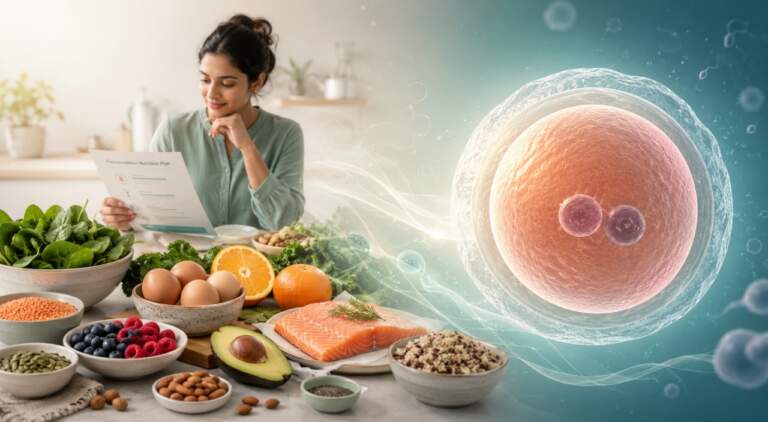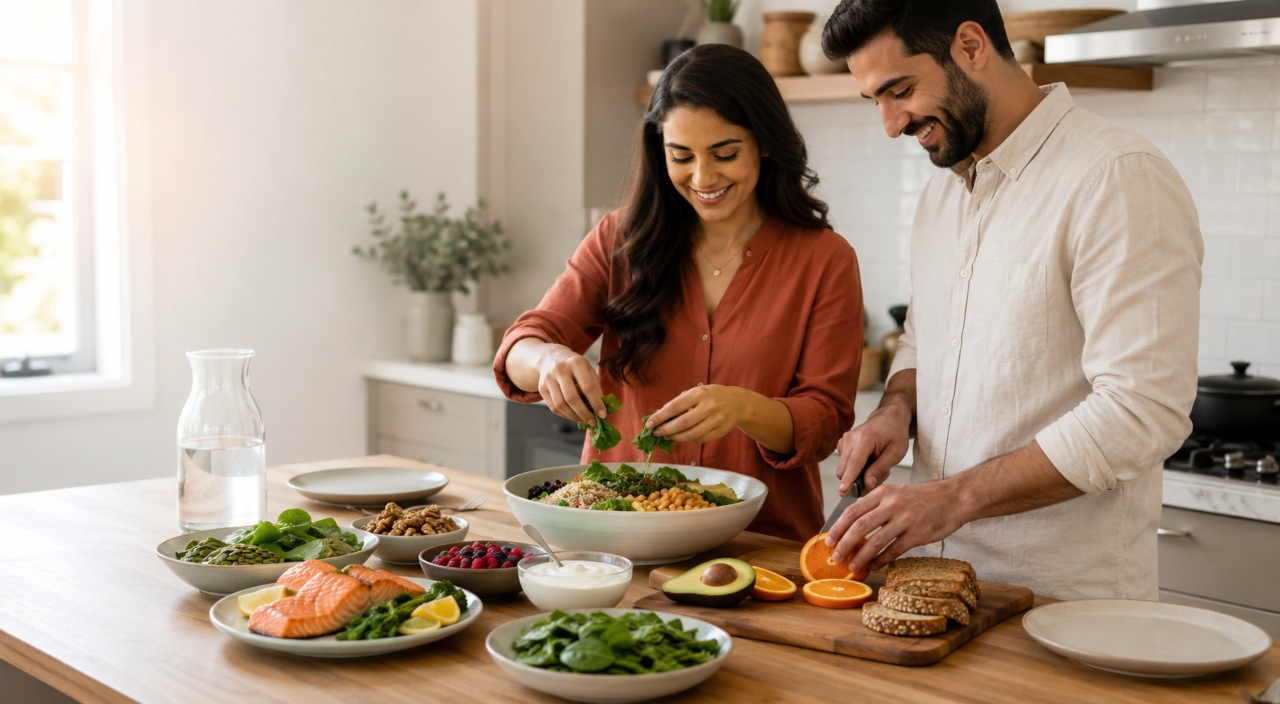

Good nutrition before pregnancy can help prepare your body for conception and support a healthy pregnancy from its earliest stages. Choosing nutrient-rich foods and developing balanced eating habits can support reproductive health while helping your body build the nutritional foundation it needs for pregnancy.
Nourish your body with foods that support healthy conception.
Discover the best foods to support conception
Ask Dr. Stan
1. Why does nutrition matter before I become pregnant?
Your nutritional health matters even before conception because your body is preparing for the demands of pregnancy well before you see a positive pregnancy test. A balanced diet can provide important vitamins, minerals, protein, healthy fats, and other nutrients that support reproductive and overall health. Building healthy eating habits now can also make it easier to maintain them once you become pregnant.
2. What foods should I focus on when trying to conceive?
Aim for a varied diet built around nutrient-dense foods such as vegetables, fruits, whole grains, lean proteins, legumes, nuts, seeds, and healthy sources of fat. Rather than relying on one particular “fertility food,” think about the quality and balance of your overall eating pattern. If you have dietary restrictions or concerns about meeting your nutritional needs, always consult your women’s health provider.
3. Why is folate so important before pregnancy?
Folate is especially important during the earliest stages of fetal development, including a time when you may not yet realize you’re pregnant. Foods such as leafy green vegetables, beans, lentils, citrus fruits, and fortified grains can contribute folate to your diet. Your women’s health provider may also recommend a prenatal vitamin containing folic acid before conception. Always consult your healthcare team before beginning or changing any supplement.
4. Should I start taking a prenatal vitamin before I’m pregnant?
Many women are advised to begin a prenatal vitamin before conception so important nutrients are available during the earliest weeks of pregnancy. However, supplements should complement a balanced diet rather than replace nutritious foods. Your individual needs can vary based on your diet, medical history, and other factors, so always consult your women’s health professional before starting a prenatal vitamin or other supplement.
5. Are protein-rich foods important when trying to conceive?
Yes. Protein is an essential part of a balanced preconception diet and supports many functions throughout your body. You can obtain protein from foods such as eggs, fish, poultry, beans, lentils, nuts, seeds, and other appropriate sources. Including a variety of protein-rich foods can also help you obtain other important nutrients needed before and during pregnancy.
6. Should healthy fats be part of my preconception diet?
Absolutely. Healthy fats are an important component of a nutritious diet and support many normal functions in the body. Foods such as nuts, seeds, avocados, olive oil, and certain fish can provide beneficial unsaturated fats. Rather than eliminating fat, focus on choosing nutritious sources as part of a balanced eating pattern.
7. Is iron important when preparing for pregnancy?
Yes. Your body’s iron requirements increase during pregnancy, so entering pregnancy with adequate iron stores can be beneficial. Iron is available from foods such as lean meats, beans, lentils, leafy greens, and fortified foods. If you are concerned about iron deficiency or are considering an iron supplement, always consult your women’s health provider before taking one.
8. Are there foods or drinks I should limit while trying to conceive?
Preconception is a good time to review habits involving highly processed foods, excessive added sugars, alcohol, and caffeine. You’ll also want to begin thinking about food-safety recommendations that become especially important during pregnancy. Your personal circumstances may affect what you should limit or avoid, so always consult your women’s health provider about recommendations specific to your health and pregnancy plans.
9. Can changing my diet improve my chances of getting pregnant?
Nutrition is one part of reproductive health, but no individual food or diet can guarantee conception. A balanced eating pattern can support your overall health and help your body obtain nutrients important for reproductive function. Fertility is influenced by many factors, including age, ovulation, sperm health, underlying medical conditions, and lifestyle. If you’re concerned about your fertility, always consult your women’s health provider for an individualized evaluation.
10. What is the most important nutrition advice when preparing for pregnancy?
Focus on consistency rather than trying to create a “perfect” fertility diet. Eat a variety of nutrient-rich foods, stay adequately hydrated, establish sustainable healthy habits, and make sure your nutritional needs are being met before conception. Preconception is also an excellent opportunity to discuss nutrition, prenatal vitamins, medications, and your overall health with your healthcare provider. Always consult your women’s health provider for personalized preconception and nutritional guidance.