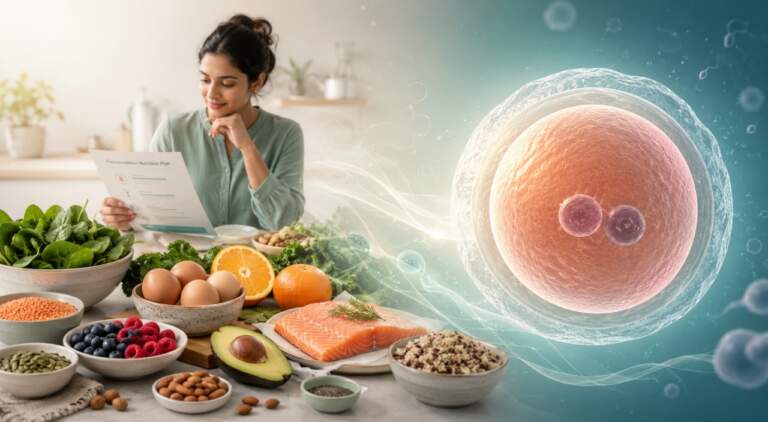

Good nutrition before pregnancy is very important. It can prepare your body for pregnancy and even lower the risk of some birth defects. know about the CDC’s advice for women of reproductive age?
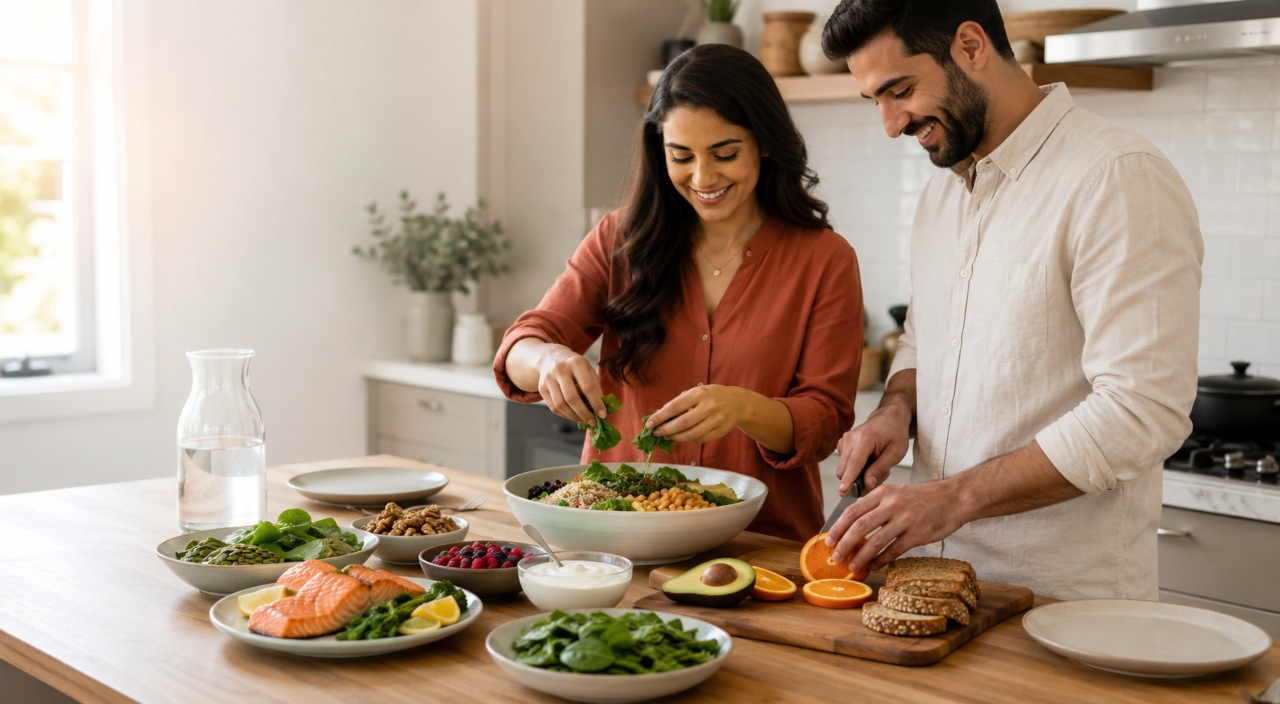
Getting ready for pregnancy is more than just taking vitamins before the baby is conceived. The goal is to eat foods full of important nutrients. These foods strengthen your body to deal with the demands of pregnancy. Adding leafy greens, fortified cereals, lean meats, nuts, and full fat dairy foods like whole milk and yogurt can really help. Full fat dairy products may be beneficial for fertility and hormone regulation which supports ovulatory function and menstrual cycles.
Understanding the Importance of Prepregnancy Nutrition
Having the right nutrition before pregnancy matters a lot for you and your baby. Foods with folic acid, calcium, iron, and omega-3s are highly recommended.
Boosting Fertility
Good nutrition before pregnancy is beneficial to prepare your body for pregnancy. The International Federation of Gynecology and Obstetrics stresses these nutrients for improved fertility. The Australian Longitudinal Study on Women’s Health shows healthy eating before pregnancy makes a difference.
Reducing Birth Defects
To lower the risk of birth defects, start with good nutrition before you’re pregnant. A meta-analysis in the British Journal of Obstetrics and Gynecology also found that enough folic acid lowers the risk of having small babies. Good nutrition with folic acid supplements before pregnancy can prevent spina bifida and other neural tube defects.
Essential Nutrients for Conception
Knowing the right nutrients for getting pregnant helps you to take necessary action for good health. You need a mix of vitamins and minerals like folic acid, calcium, and iron to prevent birth defects.
Folic Acid and Folate
Before you try to get pregnant, taking folic acid (vitamin B9) is important. Experts say to take 400 micrograms (mcg) of folate or folic acid daily before conceiving. Women’s healthcare professionals suggest 400-800 micrograms when you’re pregnant. Taking prenatal vitamins three months before conception can make up for some vitamin deficiencies you might have.
Calcium
If you’re planning on getting pregnant, calcium is essential for the growth of your baby. Dietary sources of 1,000 milligrams (mg) a day is preferred. Pregnant teens probably need more since they are growing, too, so about 1,300 milligrams is a good target. Enough calcium is necessary for the healthy bones of both mother and baby. Eating three servings of dairy products daily is a good way to get this calcium.
Iron
Iron is super important for staying healthy when pregnant. It helps make up the hemoglobin in blood which moves oxygen through your body and to the baby. Pregnant women should get 27 milligrams of iron each day. Iron-rich foods include lean meats, fish, leafy greens, and beans. Pair these iron sources with foods high in vitamin C to more efficiently absorb iron in your diet. Getting enough iron supports healthy weight gain and keeps you feeling good during pregnancy.
Adding these nutrients to your daily diet can help ensure a healthy pregnancy with fewer complications. It sets a strong foundation for your baby’s growth and your health.
Top Foods Rich in Folic Acid
It’s very important for pregnant women to get enough folic acid. Besides folic acid supplements, eating foods high in folic acid is also beneficial for a healthy baby. Adding the right foods to your diet ensures you get enough folic acid supplementation. This is crucial for closing any nutrition gaps before pregnancy.
Key Takeaways
- Consuming 400 micrograms (mcg) of folic acid daily can prevent neural tube defects.
- Daily calcium intake during pregnancy should be around 1,500 mg.
- Women require 18 mg of iron per day, increasing to 27 mg during pregnancy.
- Increasing fiber intake by 10 grams per day lowers the risk of gestational diabetes by 26 percent.
- The EPA and FDA recommend 8 to 12 ounces of low-mercury fish per week for those trying to conceive.
Fruits and Vegetables
Folate occurs naturally in many whole foods as fruits and vegetables. For example, a single cup of cooked spinach offers about 100 micrograms of folate. Broccoli contains 49 micrograms of folate per cup. A medium orange has around 40 micrograms of folate. Strawberries provide about 25 micrograms per cup.
Here are examples of these fruits and vegetables for you to consider adding to your diet:
- Dark leafy greens: Spinach, romaine lettuce, asparagus, Brussels sprouts, and broccoli.
- Legumes: Lentils, kidney beans, black-eyed peas, and chickpeas (often found in hummus).
- Fruits: Oranges, grapefruits, bananas, papayas, and avocados.
Fortified Cereals
Since 1998, the FDA has required folic acid to be added to grain products in the United States to improve intake for everyone. Fortified breakfast cereals are easy and effective for getting your folic acid. They give you up to 400 micrograms of folic acid per serving. Thanks to the U.S. FDA’s rules, many foods like breads, and corn masa flour are fortified with folic acid.
Animal Sources
If you are looking for a variety of dietary sources for folate, there are a few options for those who are limited in their choices. Liver (beef or chicken) is one of the highest food sources for folate with over 200 micrograms in a 3 ounce serving. Regular beef or chicken contains small amounts of folate. Another option is to eat eggs in your favorite way. Each egg has about 25 micrograms folate per egg. Eggs are popular since they can provide a quick snack or serve as your main meal.
Calcium-Rich Foods for Reproductive Health
Fertility and Conception
- Hormonal Balance: Calcium helps regulate the communication between the brain and ovaries, supporting healthy estrogen levels and balanced menstrual cycles.
- Egg Maturation & Fertilization: Calcium signals in the oocyte (egg) are critical for egg maturation, which prepares the egg to be fertilized by sperm.
- Uterine Receptivity: Proper calcium signals are necessary to prepare the uterine lining to allow the embryo to attach and successfully implant.
Pregnancy and Maternal Health
- Preeclampsia Prevention: The World Health Organization strongly recommends calcium supplementation to significantly lower the incidence of severe gestational hypertension and preeclampsia.
- Preterm Birth Reduction: Adequate calcium intake is associated with a lower risk of preterm labor and delivery.
- Fetal Development: Calcium is the primary building block for the rapidly developing musculoskeletal, nervous, and circulatory systems of the baby.
- Hormonal Regulation: Beyond fertility, calcium continues to play a vital role in balancing reproductive hormones during the transition into menopause.
For most adults, the recommended dietary allowance (RDA) is 1,000 mg per day, though this can increase to 1,300 mg per day for teenagers or pregnant/lactating women.
Milk and Dairy Products
Milk, cheese, and yogurt are packed with calcium. Adding these to your daily meals boosts your calcium intake. They are good for you before you are pregnant and when you’re pregnant for baby’s growth.
Leafy Greens
Kale, broccoli, and spinach are great sources of calcium. These are perfect for those looking for non-dairy calcium sources. Adding these greens to your diet increases your overall calcium levels for better reproductive health.
Iron: A Key Mineral for Fertility
Iron plays a huge role in fertility nutrition. It is vital for carrying oxygen around your body and to your baby. Getting enough iron improves your reproductive health. You can do this by eating iron-rich foods and taking prenatal vitamins. This helps your body get ready for a healthy pregnancy.
Lean Meats
Lean meats like beef, chicken, and turkey are full of dietary iron. They help keep your iron levels up. This supports better oxygen flow in your bloodstream. Try to eat a variety of lean meats to easily cover your iron needs. Iron in meats is easy for your body to take in and use.
Spinach
Spinach and other veggies are great for iron too. Spinach isn’t just about iron; it’s packed with vitamins and minerals for reproductive health. Eating spinach with foods high in vitamin C helps your body absorb iron better. This is key when trying to conceive.
To hit your daily iron targets, eat a mix of animal and plant iron sources. Prenatal vitamins, as suggested by your women’s health provider, can also fill in gaps. These vitamins have iron and other important nutrients for mom and baby.
Keeping your iron level up is crucial for fertility and health. Focus on a balanced diet and consider prenatal vitamins. This will get your body ready for conceiving and a healthy pregnancy.
The Role of Omega-3 Fatty Acids in Conception
Omega-3 fatty acids are vital for reproductive health, boosting fertility nutrition. They help balance hormones and improve blood flow to the pelvis.
Seafood Options
Seafood is packed with Omega-3 Fatty Acids. Eating fatty fish like salmon, sardines, and mackerel can up your omega-3 intake. A 2006 American Journal of Clinical Nutrition study showed these acids are vital during pregnancy and breastfeeding.
The World Association of Perinatal Medicine Dietary Guidelines Working Group in 2008 stressed their importance during pregnancy too. Eating these seafood can boost reproductive health and fertility nutrition.
Nuts and Seeds
For plant-based omega-3 sources, consider nuts and seeds. Walnuts, flaxseeds, and chia seeds have lots of Omega-3s. A 2008 Reviews in Obstetrics and Gynecology review praised fish oil and plant omega-3s during pregnancy.
A 2010 American Journal of Clinical Nutrition study found fish oil supplements in pregnancy improve infant health.
So, adding Omega-3 Fatty Acids from seafood and nuts & seeds to fertility diet can greatly help your fertility nutrition. These nutrients support reproductive health, whether from food or supplements.
Fiber and Its Benefits for Prepregnancy Nutrition
Fiber is also important for preparing for a healthy pregnancy. It aids bowel function and moderates weight gain. Foods like whole grains, fruits, and veggies help prevent gestational diabetes, a big concern for expectant mothers.
The American Dietetic Association recommends fiber for mothers-to-be. It’s critical for wellbeing during pregnancy. Studies show a high-fiber diet helps in managing weight and reducing diabetes risk. This proves fiber’s role in healthy weight maintenance.
Research shows the need for controlled weight gain during pregnancy. It helps in achieving a healthy birth weight and reduces weight issues after giving birth. Eating fiber-rich foods can help in managing this weight gain, leading to better health post-pregnancy.
The World Health Organization shows fiber helps in preventing long-term illnesses, not just during pregnancy. A diet rich in fiber ensures you’re ready for a healthy pregnancy.
- Whole grains like oats, barley, and brown rice are full of fiber and great for everyday eating.
- Fruits such as apples, pears, and berries are tasty and rich in fiber.
- Vegetables like leafy greens, carrots, and broccoli have lots of fiber.
- Legumes, including beans, lentils, and chickpeas, are good for you with their high fiber content.
In conclusion, a diet rich in fiber is an important part of a balanced diet. It aids in preventing gestational diabetes, and supports healthy weight gain before pregnancy. These nutritional choices improve the health of your pregnancy journey.
Weight control is an important consideration before pregnancy. Being overweight during pregnancy can increase the risk of high blood pressure, diabetes, and other complications. The US Department of Agriculture and the US Department of Health and Human Services have dietary tips for women who are trying to get pregnant.
Healthy Eating Strategies When Planning a Pregnancy
When you’re getting ready for pregnancy, eating a healthy diet is key. It’s important for your health and your future baby’s growth. Eating right and avoiding bad foods help create the best start for pregnancy.
Balanced Diet
A balanced diet is very important for planning to have a baby. You should eat many fruits, vegetables, grains, and proteins. These foods have vitamins and minerals. They keep your blood sugar levels stable and help prevent Gestational Diabetes.
Women often need more calories when they’re pregnant. About 340 extra calories are needed in the second trimester. About 450 extra calories are needed in the last trimester. Taking Prenatal Vitamins with important nutrients like folic acid is also vital. Folic acid helps prevent birth defects in the baby’s brain and spine.
- Eat a mixture of colorful fruits and veggies.
- Include plenty of whole grains.
- Focus on lean sources of protein such as chicken, turkey, beans, and legumes.
- Consume adequate amounts of healthy fats found in nuts, seeds, and avocados.
Incorporating olive oil into your diet can provide healthy monounsaturated fats, which have been shown to reduce inflammation and improve fertility, particularly during reproductive intervention as in vitro fertilization (IVF).
Avoiding Harmful Foods
It’s critical to avoid certain foods when planning a pregnancy. Stay away from high-mercury seafood, too much of caffeine intake, and processed meats. Also, limit foods with added sugars and unhealthy fats to avoid health issues.
Make sure your prenatal vitamins have 400 to 800 mcg of folic acid. This amount is essential for preventing birth defects. It’s important for the baby’s brain and spine health. Follow the CDC’s advice for using folic acid supplements to keep your baby healthy.
- Avoid raw or undercooked fish and meats to reduce the risk of bacterial infections.
- Stay away from unpasteurized dairy products.
- Avoid alcohol entirely, as it poses risks during both conception and pregnancy.
- Limit consumption of processed foods high in sugar and unhealthy fats.
Conclusion
Prepregnancy nutrition is key to a successful pregnancy. Eating a balanced, nutrient-rich diet pre pregnancy nutrition boosts your reproductive health. It also increases your chances of conceiving and having a healthy baby. Key nutrients like folic acid, calcium, and omega-3s are vital. They help both fertility and the health of mother and baby.
Research shows that underweight women are at risk of having babies with growth issues. It’s essential to eat enough calories and nutrients. Taking a prenatal vitamin with at least 400 mcg of folic acid, 1000 mg of calcium, and enough iron is recommended. These help mom and baby to remain healthy in the process of pregnancy. Other benefits include prevention of birth defects and proper preparation for the postpartum period.
No single food can guarantee pregnancy, but the right diet and exercise can set the stage. Keeping a healthy pregnancy weight is also important. It prevents many pregnancy complications. Future studies will dive deeper into how diet and exercise impact health during pregnancy. As you prepare for pregnancy, think of these diet changes as steps towards better reproductive health.
FAQ
Why is prepregnancy nutrition important for pregnancy planning?
Good nutrition before pregnancy helps increase fertility and ensures reproductive health. It reduces birth defects risks too. Foods with folic acid, calcium, iron, omega-3s, and fiber get your body ready for a healthy pregnancy.
How does a balanced diet affect fertility and reproductive health?
Eating right gives you better chances at conceiving by providing all needed nutrients. Folic acid, calcium, and iron are especially key for a healthy reproductive system and early fetal growth.
What are the most important nutrients to focus on for conception and a healthy pregnancy?
Important nutrients are folic acid and folate for the baby’s brain, calcium for strong bones, and iron for healthy blood. Omega-3 fatty acids for hormones and fiber for digestion are also crucial. They help avoid diabetes during pregnancy.
Which foods are rich in folic acid and should be included in a preconception diet?
Spinach, broccoli, fortified cereals, oranges, and strawberries are great for folic acid. They lower the chance of brain defects in newborns.
Why is calcium important for prepregnancy nutrition, and which foods are rich in calcium?
Calcium is key for bone strength and can help you conceive faster. You can find lots of calcium in milk, yogurt, cheese, kale, and broccoli. They are vital for pregnancy care.
How does iron contribute to fertility and what are some iron-rich foods?
Iron helps carry oxygen all over your body and to your baby, boosting fertility and pregnancy health. Beef, chicken, turkey, and spinach are full of iron.
What role do omega-3 fatty acids play in conception and which foods provide them?
Omega-3s are good for hormone balance and better blood flow to reproductive parts, aiding fertility. Eat fatty fish like salmon, plus walnuts, flaxseed, and chia for omega-3s.
How does dietary fiber benefit prepregnancy nutrition?
Fiber keeps you full, aids digestion, and lowers chances of diabetes while expecting. Find fiber in whole grains, fruits, veggies, and beans.
What are effective healthy eating strategies when planning a pregnancy?
It’s key to eat lots of fruits, veggies, grains, and proteins. Stay away from high-mercury fish, too much caffeine, processed meats, and sugary or fatty foods. This will help your reproductive health.
- Prepregnancy Diet: Best Foods to Eat When You’re Trying to Get Pregnant – https://www.whattoexpect.com/getting-pregnant/health-and-wellness/foods-to-enjoy/prepregnancy-diet.aspx
- Nutrition During Pregnancy – https://www.hopkinsmedicine.org/health/wellness-and-prevention/nutrition-during-pregnancy
- Before the beginning: nutrition and lifestyle in the preconception period and its importance for future health – https://www.ncbi.nlm.nih.gov/pmc/articles/PMC6075697/
- The importance of nutrition in pregnancy and lactation: lifelong consequences – https://www.ncbi.nlm.nih.gov/pmc/articles/PMC9182711/
- Pregnancy diet: Focus on these essential nutrients – https://www.mayoclinic.org/healthy-lifestyle/pregnancy-week-by-week/in-depth/pregnancy-nutrition/art-20045082
- Nutrition Before Pregnancy – https://www.stanfordchildrens.org/en/topic/default?id=nutrition-before-pregnancy-90-P02479
- 18 Foods Filled with Folate Every Woman Should Know – https://www.unitypoint.org/news-and-articles/18-foods-filled-with-folate-every-woman-should-know
- Top Folate Foods for Pregnancy – https://www.parents.com/pregnancy/my-body/nutrition/folate-foods/
- Office of Dietary Supplements – Folate – https://ods.od.nih.gov/factsheets/Folate-HealthProfessional/
- Calcium, Vitamin D, and Magnesium – Nutrition During Pregnancy – https://www.ncbi.nlm.nih.gov/books/NBK235246/
- Pregnancy Nutrition: What to Know Before Conceiving and During Pregnancy – https://www.hss.edu/article_pregnancy-nutrition.asp
- Healthy eating before having a baby – https://www.marchofdimes.org/find-support/topics/planning-baby/healthy-eating-having-baby
- Female Fertility and the Nutritional Approach: The Most Essential Aspects – https://www.ncbi.nlm.nih.gov/pmc/articles/PMC8634384/
- Prenatal vitamins: Why they matter, how to choose – https://www.mayoclinic.org/healthy-lifestyle/pregnancy-week-by-week/in-depth/prenatal-vitamins/art-20046945
- Omega-3 Fatty Acids and Pregnancy – https://www.ncbi.nlm.nih.gov/pmc/articles/PMC3046737/
- Omega-3 fatty acid supplementation and fecundability – https://www.ncbi.nlm.nih.gov/pmc/articles/PMC9308390/
- Fibre intake and evolution of BMI: from pre-pregnancy to postpartum – https://www.ncbi.nlm.nih.gov/pmc/articles/PMC10271675/
- Association between Preconception Dietary Fiber Intake and Preterm Birth: The Japan Environment and Children’s Study – https://www.mdpi.com/2072-6643/16/5/713
- Eat Healthy During Pregnancy: Quick tips – MyHealthfinder – https://health.gov/myhealthfinder/pregnancy/nutrition-and-physical-activity/eat-healthy-during-pregnancy-quick-tips
- Eating Right Before and After Pregnancy : USDA ARS – https://www.ars.usda.gov/oc/utm/eating-right-before-and-after-pregnancy/
- Conclusions and Recommendations – Nutrition Issues in Developing Countries – https://www.ncbi.nlm.nih.gov/books/NBK234765/
- Pregnancy and Nutrition | MedlinePlus – https://medlineplus.gov/pregnancyandnutrition.html