
Did you know moderate exercise could boost your conception chances by 40%? The secret is to match exercise with the menstrual cycle’s phases. This can help you balance hormones, raise energy, and improve sleep.
Exercise of any kind will improve blood circulation. How do you increase blood circulation in the pelvis? There are various ways to gently improve circulation, such as using circular hip moves and inversions. Some fitness experts think that long runs or hot yoga may be detrimental as they stress the body.
A healthy weight also contribute to improved likelihood of conception. Maintaining a body mass index (BMI) within the healthy range of 18.5 to 24.9 is beneficial for optimizing the chances of getting pregnant. If a woman is overweight, a reduction of just 10% of body weight can help conception chances. If a woman is too thin, there may be hormonal imbalance that changes the menstrual cycle and possibly, prevents ovulation.
Walking, gentle yoga, and swimming are examples of exercises that may help conception. A goal is to achieve up to five hours of weekly exercise to improve fertility. These exercises cut stress and aid reproductive health. Always check with your women’s healthcare provider before starting intense workouts. Approval is especially recommended if you are working with a fertility specialist for intervention such as in vitro fertilization (IVF).
Key Takeaways
- Syncing exercise with the menstrual cycle can enhance fertility.
- Fertility exercises may improve blood flow to the pelvis.
- Avoid high-stress activities like long-distance running during conception attempts.
- Losing 10% of body weight may significantly boost fertility for overweight women.
- Moderate exercise up to five hours a week is ideal for women trying to conceive.
The Importance of Exercise for Conception
Some form of exercise is an important part of life for everyone. By making reasonable exercise as a part of your day, you help improve your chances of getting pregnant. Exercise improves strength and flexibility to prepare your body for pregnancy. It also creates the better conditions for conception to happen.
Benefits of Staying Active
Being active has many benefits. It improves heart health which is vital when you’re pregnant. Exercise also reduces stress, which can interfere with ovulation.
Regular exercise helps maintain a healthy weight, too. Staying at a good weight is important for many reasons. Being overweight during pregnancy is linked to other possible health problems as high blood pressure and diabetes during pregnancy (gestational hypertension or preeclampsia, and gestational diabetes).
How Exercise Can Improve Fertility
Working out can boost your chances of conception. It improves blood flow and encourages normal levels of reproductive hormones which are important for ovulation. For example, slightly overweight women with PCOS sometimes struggle to get pregnant. They may have irregular menstrual cycles or no menstrual cycle at all, which may indicate that they do not ovulate on a regular basis. When they are able to lose a little weight, many women report that their cycles become more regular and predictable. Then, they may see positive signs of ovulation with various tracking methods.
Moderation is always important. Excessive exercise and weight loss can suppress ovulation. Women who are marathon runners may experience these signs. Aim for a workout routine that’s reasonable, which might average 20 to 30 minutes per day for six days each week. It never hurts to give your body a rest day, too.
Best Pre-Pregnancy Workouts
Making the right choices in exercise can up your chances of getting pregnant. A mix of aerobic activities, strength training, and stretching is ideal. Here’s examples of top workouts to help you on the road to conception.
Aerobic Exercises
Aerobic exercises are a great choice for your conception plan. Walking and biking are safe activities before and during pregnancy for heart health and improved circulation. A schedule option is 30 minutes of these exercises three times a week. Swimming is also great. It strengthens muscles without putting significant stress on your joints.
Strength Training
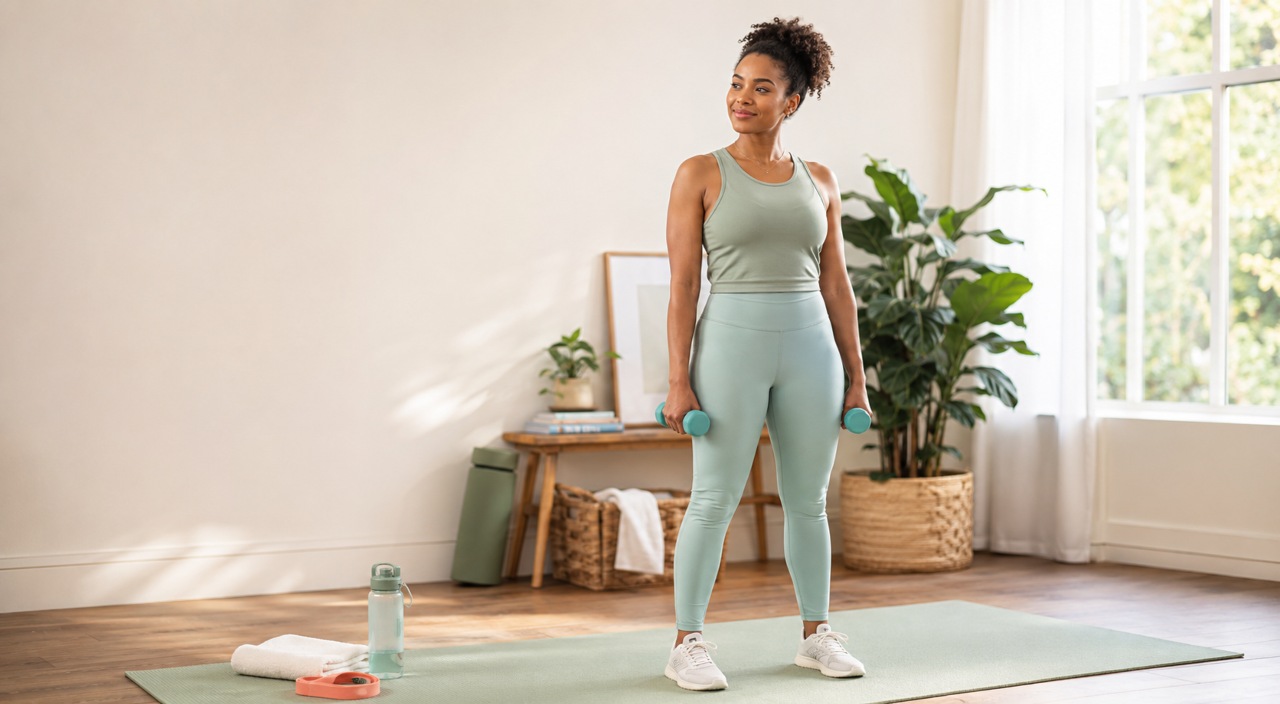
Strength training such as weight lifting also helps you prepare for pregnancy. It builds muscle tone and increases bone strength. Unless you have a medical provider’s approval, you do not want to pursue extreme weightlifting that might result in injury. Start with light weights if you are beginning strength training. A light weighted vest is another means to increase strength as you walk. There are exercises that take advantage of your own body weight which provides resistance to build muscle and increase bone strength. You’ll be better prepared for pregnancy if you strengthen your core and pelvic floor muscles with specific exercises designed to target these areas. Most experts suggest that you take advantage of fitness coaches to help you maintain good form. In this way, you avoid improper technique, which might lead to injury. The goal is always to enjoy exercise with safe and effective workouts.
Yoga and Pilates
Yoga and Pilates increase flexibility and strength. Barre workouts blend yoga, Pilates, and strength training. These activities also can be good for your mental health. They boost endurance and physical strength as they improve your core strength and balance. Any activity that promotes better mental health will contribute to hormonal regularity which can only help ovulation.
How Much Exercise is Recommended
Trying to have a baby? It’s important to find the right balance of activity and rest. The National Institutes of Health (NIH) recommends moderate exercise for about 150 minutes per week. This approximation would average around 30 minutes on most days. Activities like aerobics, lifting weights, and walking are great. They help you meet these goals and support your fertility.
Weekly Exercise Guidelines
Adding moderate exercise to your week helps your general health and fertility. Health professionals say to aim for around 30 minutes of moderate exercise each day. Take a walk with a brisk pace, try yoga, or do some light aerobics. Exercise may help maintain your weight in a healthy range. It also has a positive benefit on mental health which indirectly improves hormonal balance. These hormones help with ovulation.
- Moderate exercise for a total of 150 minutes per week may contribute to improved fertility in women of reproductive age.
- Exercising for 30 minutes per day decreases the risk of ovulation disorders.
- Regular exercise of moderate intensity improves mental health.
Safe Exercise Limits and Moderate Exercise
While exercise is good when trying to conceive, too much can backfire. Avoid doing too much strenuous exercise. This includes activities like high-intensity workouts, powerlifting, or running long distances. If you have already been doing these kinds of activities, it may be in your best interest to limit the length the time to less than four hours a week. Going overboard can result in menstrual irregularity which could affect ovulation. When women are involved in advanced techniques for fertility with reproductive specialists, there are reports of reduced in vitro fertilization success rates by over 20%. If you are already engaged in strenuous forms of exercise, you should consult your women’s healthcare provider for guidance to the right exercise for you.
- Exercise-induced menstrual disorders contribute to about 6% of infertility cases.
- Vigorous exercise decreases fertility in women with normal weight.
- Hormones responsible for ovulation can be suppressed by intense exercise, causing ovulatory dysfunction.
How to Start a Workout Routine When Trying to Conceive
Starting a conception workout journey can seem daunting. Focusing on the right exercises can make it enjoyable and effective. Always start with light activities to get used to the exercise. Experts suggest a moderate exercise routine of 150 minutes weekly when trying to conceive.
Choose fertility exercises you enjoy and are also safe during pregnancy. Swimming is great as it is a low-impact sport and is easy for most women through much of pregnancy. Indoor cycling with a stationary bike is also relatively safe. Of course, these activities may require gradual advancement if you are not used to them.
Listening to your body is critical to avoid excessive exercise too. Signs of overdoing it are being tired, dehydration, irritable, having muscle or joint pain, and trouble sleeping. A balanced routine is essential, mixing different activities to stay motivated and healthy.
Avoid high-impact exercises such as long-distance running, heated yoga, and contact sports. These exercises might interfere with your conception efforts. Focus instead on exercises that improve blood flow to the pelvis, like circular hip movements and walking.
Working with a women’s healthcare provider can help tailor your workout plan. They can offer advice based on your health history. This consultation ensures your exercise routine supports your fertility goals.
Exercises to Avoid When Trying to Conceive
When you’re planning to have a baby, be careful to select the right exercise for your situation. It’s OK to take into account what you’d like to do. If you like outdoors in the fresh air, maybe walking is a good choice for you. If you prefer group activities, or need inspiration, organized, exercise, classes may be your answer.
High-Intensity Workouts
Marathon training and tough interval workouts might seem good for health, but they’re not recommended when you’re pursuing pregnancy. Studies show that doing these kind of extreme workouts more than five hours a week could interfere with conception. These workouts can reduce body fat, resulting in hormonal irregularity with ovulation problems.
Contact Sports
Contact sports should be addressed. If a woman has been involved in team sports like volleyball or softball, there is not any significant concern before pregnancy. However, with conception, these contact sports should be definitely avoided. Accidental injury or a serious fall could hurt the woman or the baby. A safe recommendation is to avoid contact sports if you are trying to get pregnant so that unnecessary risks are avoided.
Aim for a balance of vigorous physical activity. Try low-impact exercises like yoga, pilates, swimming, and walking. These can keep you fit without harming your chances of having a baby. Always talk to your women’s healthcare provider before changing your exercise plan while trying to conceive.
Incorporating Variety in Your Fitness Routine
Having different activities in your fitness plan keep things interesting and adds value to your health. By doing various exercises, you work out different muscles, avoid getting bored, and helps your motivation. This mix also benefits your reproductive health and can boost your chances of getting pregnant.
Combining Different Types of Workouts
Changing your exercises can be fun. Activities like yoga, Zumba, and swimming could be added to your workouts for greater enjoyment. You might also make some new friends with these group activities. Sometimes, you may meet other women who are pursuing pregnancy or currently pregnant. When the weather is bad, these indoor activities allow you to maintain a good exercise schedule.
Keeping Exercise Fun and Engaging
Making sure your workouts are fun will help you stick with them. Set goals you can achieve. Celebrate when you meet them. Finding a friend to join your exercise routine can add to the fun. If you pick fertility-friendly activities that you enjoy, you’ll likely continue the activity.
Exercise Tips for Women with PCOS
Polycystic Ovary Syndrome (PCOS) affects 8 to 13 percent of women who are able to have babies. Regular exercise is proven to help women with the diagnosis of PCOS. Hormonal balance may improve with exercise so that symptoms, signs, and overall well-being are enhanced. PCOS fertility exercises may boost your wellbeing to increase fertility and reduce insulin resistance that is common with PCOS.
Benefits of Exercise for PCOS
Exercise helps with PCOS symptoms and fertility. Studies show that aerobic exercise can promote weight loss (reduce BMI), as well as improve insulin resistance that causes weight gain. Best Practice & Research Clinical Obstetrics & Gynaecology states exercise reduces weight, abdominal fat, and fasting insulin levels. Then, ovulation potential is improved which increases fertility.
Consistent exercise increases pregnancy chances when PCOS is a concern. Exercise increases the likelihood of regular menstrual cycles which proves a better balance of hormones to support ovulation.
PCOS Recommended Workouts
PCOS workout advice varies, but mixing the types of exercises works best. Focus on core workouts, aerobic exercises, and strength training. Studies say choose fun, maintainable routines.
Start slow to avoid too much strain. Yoga and Pilates improve flexibility, lower stress, and help hormone balance. Always get advice from health or fertility experts to customize your PCOS workouts to your needs.
Importance of Staying Hydrated
Hydration is vital for everyone, especially with women who are trying to conceive. Fertility exercises may be beneficial. It’s important to drink fluids not just while working out, but all day. Distilled water or water fortified with electrolytes is ideal for better hydration. Women should look for 9 cups per day. These amounts can change based on exercise, weather, and general health. If you feel thirsty, you are dehydrated.
There are reasons for appropriate hydration when you are pursuing pregnancy. Good hydration improves cervical mucus. A more liquid environment at the time of ovulation allows sperm to more easily reach the egg for conception.
Eating fruits and veggies full of water, like cucumbers and watermelons, helps with hydration and fertility. Leafy greens and berries are also good sources of water for you. They have antioxidants and vitamins to support general health and fertility.
Another means to monitor your hydration is the kidney function. The color of urine is a sign of hydration status. A light straw color indicates that you are appropriately hydrated. When the urine has a dark yellow color, the urine is more concentrated meaning that you need more water. A very concentrated urine may also have a stronger smell. It helps to carry a water bottle so that drinking extra water is convenient so that you’re ready for your fertility-focused workouts.
Listening to Your Body During Workouts
Maintaining a balance is key when trying to conceive. Safe exercises help you stay healthy without stressing your body too much.
Signs of Over-exertion
Sometimes, we may do more than we should with activities. Then, we may regret what we did. That realization can be true with exercise.
Some signs of over-exertion with exercise:
- Muscle or joint pain
- Difficulty sleeping
- Fatigue
- Moodiness
- Shortness of breath
- Dizziness
An irregular period can also mean your workout is too tough. That could affect ovulation. Pay attention to your body’s signals during exercise. By managing your workouts carefully, you help your fertility stay on track. Always opt to rest and heal if you think that you have done too much. You do not want to risk your well-being and baby-making plans.
Impact of Exercise on Weight Management
Keeping a healthy weight is very important for fertility. Being too heavy or too light can affect hormonal balance. Imbalance could affect ovulation potential. Regular exercise helps control weight, which is good for your fertility efforts. Eating a balanced healthy diet is also important.
Balancing Exercise and Diet
Studies show a big increase in global obesity from 1980 to 2013. Obesity is well known to negatively impact health in many ways. For women of reproductive age, obesity may interfere with hormonal balance and ovulation. There are even more concerns about obesity during pregnancy.
Regular exercise is so important for quality of life. For women wanting to achieve pregnancy, workouts like brisk walking or gentle exercises are great. These activities contribute to better weight control, and do not stress your body.
Exercise with the right kind of healthy diet is even more beneficial. The journey to pregnancy is much better with good nutrition and regular activity. During pregnancy, the same kind of diet and exercise will benefit mother and baby.
Timing Your Workouts with Ovulation
Working out according to ovulation can be advantageous for women wanting a baby. Moderate exercise improves your body and mind for having a baby. Stress may negatively affect female fertility.
- A 2012 study showed moderate exercise increases the likelihood of becoming pregnant, no matter the BMI.
- Research from 2020 found that exercising before pregnancy, along with good body weight, lowers the risk of diabetes and heart problems when pregnant.
- A 2018 review of women using reproductive technology found moderate exercise leads to more pregnancies and births in IVF treatments.
Some experts believe that exercise around ovulation may improve conception efforts. Circular hip movements and inversions may improve blood flow to the pelvis. Good blood circulation is essential for normal function of the endocrine system. This intricate hormone–producing circuit relies upon normal connections between the pituitary gland, the thyroid gland, the ovaries, and the uterus for a regular menstrual cycle including ovulation.
During ovulation, include moderate workouts like walking or swimming to stay in the best shape. It’s crucial to be consistent. and Talk to your healthcare provider for exercise tips that fit your fitness level and fertility goals.
Strategically planning your workouts with fertility exercise timing can improve your chances of pregnancy. It also contributes to your general health. Each woman’s journey to motherhood is different. Don’t be afraid to seek personalized advice from your women’s healthcare professional with the admirable goal of the best outcome for becoming a mom.
Conclusion
Having a good fitness program is beneficial if you want to start a family. Consider medium-level exercises like walking or swimming for 150 minutes every week. People who are not active are more likely to have health problems. Simply moving can make you healthier and help you become physically better to have a baby.
There are many options for safe exercises you can consider, such as walking, biking on a stationary bike, and swimming. Exercising while you’re pregnant is most always good for you, as long as your women’s health provider approves. The activity can help you maintain an ideal body weight so that you prevent complications from being overweight during pregnancy. Also, if your pregnancy is normal, exercise does not increase the risk of miscarriage or having the baby too early.
Pay attention to how your body feels. Talk to your women’s health care providers to plan your exercise properly. With the right workout routine, a balanced diet, and following your women’s health provider’s advice, you will be in the best shape for future pregnancy. It sets a solid foundation for the health of the mom and the baby.
FAQ
What are the benefits of staying active while trying to conceive?
Being active boosts your overall health and muscle tone. It’s great for your heart and lowers stress. Good sleep, maintaining a healthy weight, and fewer pregnancy problems can result too.
How can exercise improve fertility?
Exercise improves blood circulation and hormonal balance. It reduces stress and helps manage weight. All these improvements are good for your reproductive and mental health too.
What are the best pre-pregnancy workouts?
Great workouts include aerobic activities like walking and biking. Light strength training, yoga, or Pilates are also good. These activities boost relaxation, balance, and endurance.
How much exercise is recommended for women trying to conceive?
It’s best to work out for about 150 minutes each week, or 30 minutes on most days. You should divide this total exercise time through the week. Mix different activities to hit this goal.
How can I safely start a workout routine when trying to conceive?
Pick activities you enjoy that are safe during pregnancy. Talk to a healthcare provider and slowly add different exercises. Watch how your body responds to avoid exertion.
What exercises should be avoided when trying to conceive?
Steer clear of intense workouts and contact sports. They can lead to injuries that could delay your goals. Occasionally, intense workouts can suppress normal hormonal production which can change your menstrual cycle and possibly affect fertility.
How can I incorporate variety into my fitness routine?
Mix up your workouts with activities like yoga, swimming, or Zumba. This approach keeps things fun. It helps ensure you stick with your exercise plan.
What are the benefits of exercise for women with PCOS trying to conceive?
Exercise boosts mood and energy in women with PCOS. It increases your chances of getting pregnant. Focus on core exercises and moderate aerobics.
Why is staying hydrated important during fertility exercises?
Drinking enough water is key for your health. You need water to be able to exercise without problems.
How can I listen to my body to avoid over-exertion during workouts?
Look out for signs like extreme fatigue, dizziness, muscle or joint pains, or trouble sleeping. A disrupted menstrual cycle could mean your workouts are too hard and interrupting hormonal balance. Rest when you need it.
How does exercise impact weight management and fertility?
Exercise and eating right help keep a healthy BMI and are important for fertility. Managing your weight helps with hormone balance and boosts self-esteem. This can aid in conception.
Should I time my workouts with ovulation to improve conception chances?
Moderate exercise during your fertile window can reduce stress and boost emotional health and well-being. Keep up with regular, safe workouts to better your chances of getting pregnant.
- Exercise While Trying to Conceive – https://birdandbe.com/blogs/the-nest/exercise-to-support-fertility-ttc?srsltid=AfmBOooZb4lZ0iKal0zxBi8Dnn95aWC69QoaixGBknQZNA7lWfDqlurz
- The Best Exercises for Improving Fertility | – https://laivfclinic.com/blog/the-best-exercises-for-improving-fertility/
- Top 5 Recommended Exercises for Improving Fertility – The Vagina Whisperer – https://thevagwhisperer.com/2023/11/09/top-5-recommended-exercises-for-improving-fertility/
- What the Research Says About Exercise, Fertility, and Pregnancy | Ro – https://ro.co/fertility/exercise-fertility-pregnancy/
- Exercise in pregnancy – https://www.nhs.uk/pregnancy/keeping-well/exercise/
- Exercise During Pregnancy – https://www.hopkinsmedicine.org/health/wellness-and-prevention/exercise-during-pregnancy
- 5 Pre Pregnancy Workouts: How to Prepare Your Body when TTC – https://www.miracare.com/blog/pre-pregnancy-workouts/
- Pre-Pregnancy Fitness Training: How to Prepare Your Body for a Healthy Pregnancy – https://educatefitness.co.uk/pre-pregnancy-fitness-training-how-to-prepare-your-body-for-a-healthy-pregnancy/
- How much is too much exercise? The relationship between exercise and fertility – https://www.novaivffertility.com/case-study/how-much-too-much-exercise-relationship-between-exercise-and-fertility
- The Relationship Between Exercise And Fertility | Carolinas Fertility Institute – https://carolinasfertilityinstitute.com/the-relationship-between-exercise-and-fertility/
- How much is too much: Exercise and Fertility | – https://laivfclinic.com/blog/how-much-is-too-much-exercise-and-fertility/
- Exercise When You’re Trying to Get Pregnant – https://www.whattoexpect.com/getting-pregnant/health-and-wellness/safeguard-your-health/exercise-before-pregnancy.aspx
- Exercise While Trying to Conceive – https://birdandbe.com/blogs/the-nest/exercise-to-support-fertility-ttc?srsltid=AfmBOoo4BAl6jktgXZWWqQEBz0_oeslK86ElO4dnXfTAQr3MbnUhJ-5h
- Exercises To Avoid When Trying To Get Pregnant – https://preganews.com/exercises-to-avoid-when-trying-to-get-pregnant/
- Fertility & Exercise: The Dos and Don’ts | Dallas IVF Fertility Blog – https://dallasivf.com/fertility-and-exercise-dos-donts/
- Exercise While Trying to Conceive – https://birdandbe.com/blogs/the-nest/exercise-to-support-fertility-ttc?srsltid=AfmBOoposkCFmwZU5mAl0VPM7fYN2BAfqOSE3_L1v3KPrnnqx47qrJVh
- Exercise Dos and Don’ts When Trying to Conceive – GENESIS Fertility & Reproductive Medicine – https://www.genesisfertility.com/blog/exercise-dos-and-donts-when-trying-to-conceive/
- Guided Fertility | Exercise for Conception – https://www.guidedfertilityrn.com/exercise-for-conception
- Exercise For PCOS: Sample Plan, Types of Exercise, and More – https://www.healthline.com/health/womens-health/exercise-for-pcos
- Exercise and Fertility – https://pnwfertility.com/2023/11/14/exercise-and-fertility/
- The effect of physical activity on fertility: a mini-review – https://www.ncbi.nlm.nih.gov/pmc/articles/PMC10310950/
- The Importance of Hydration While Trying to Conceive | Progyny – https://progyny.com/education/trying-to-conceive/the-importance-of-hydration-while-trying-to-conceive/
- The Pivotal Role of Hydration in Fertility – https://cryobankamerica.com/the-pivotal-role-of-hydration-in-fertility/
- When You’re Exercising While Pregnant, ‘Listening to Your Body’ Isn’t Always Enough – https://www.wellandgood.com/listening-to-your-body-during-pregnancy/
- Listening to your body and the importance of exercise during pregnancy and beyond – https://www.abc.net.au/news/2024-02-01/listen-to-your-body-pregnancy-exercise-postnatal/103401034
- 5 Myths About Exercise and Pregnancy – Raleigh-OBGYN – https://www.raleighob.com/5-myths-about-exercise-and-pregnancy/
- The Role of Physical Activity in Preconception, Pregnancy and Postpartum Health – https://www.ncbi.nlm.nih.gov/pmc/articles/PMC6986386/
- Exercise, Weight, and Fertility: What’s the Connection? | Ro – https://ro.co/weight-loss/exercise-weight-fertility/
- Exercise While Trying to Conceive – https://birdandbe.com/blogs/the-nest/exercise-to-support-fertility-ttc?srsltid=AfmBOop9Qo7W0qmQRc-sJn8FKxnOVK9OwbqkQ-tMnZe4k41-MrzYENpz
- Exercise While Trying To Conceive: Dos and Don’ts – https://sweat.com/blogs/wellbeing/exercise-while-trying-to-conceive
- Physical Activity and Exercise During Pregnancy and the Postpartum Period – https://www.acog.org/clinical/clinical-guidance/committee-opinion/articles/2020/04/physical-activity-and-exercise-during-pregnancy-and-the-postpartum-period
- Frontiers | Effects of physical activity and sleep duration on fertility: A systematic review and meta-analysis based on prospective cohort studies – https://www.frontiersin.org/journals/public-health/articles/10.3389/fpubh.2022.1029469/full