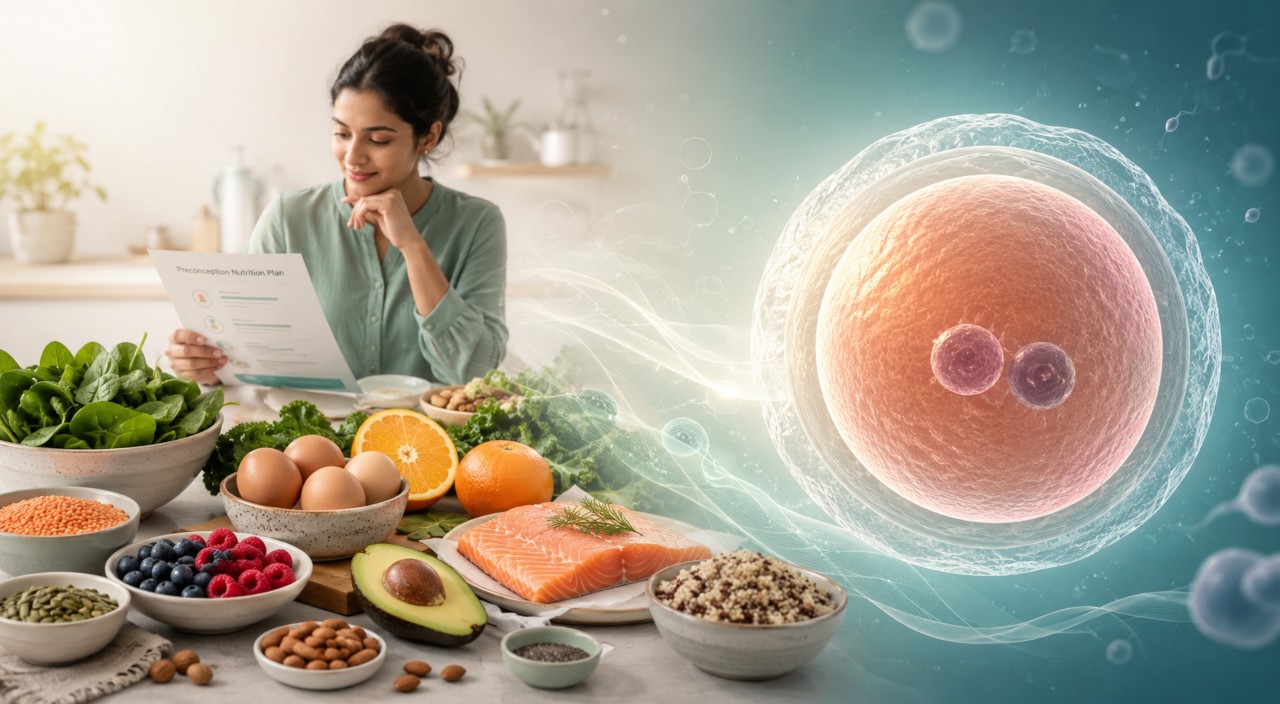

Nutrition before pregnancy is critical for zygote formation. A zygote is the single cell that results from fertilization of the egg by sperm. You might think of it as the earliest expression of life. Consequently, good nutrition with foods that provide folic acid (at least 400 micrograms daily), calcium, iron, omega-3s, and fiber is vital for a good beginning to a healthy pregnancy and baby.
Getting ready for pregnancy is more than just taking vitamins before the baby is conceived. You should eat foods full of important nutrients. These foods help your body get ready for pregnancy and deal with its changing demands. Adding leafy greens, fortified cereals, lean meats, and nuts to your diet can really help.
Key Takeaways
- Consuming 400 micrograms (mcg) of folic acid daily can prevent neural tube defects.
- Daily calcium intake during pregnancy should be around 1,500 mg.
- Women require 18 mg of iron per day, increasing to 27 mg during pregnancy.
- Increasing fiber intake by 10 grams per day lowers the risk of gestational diabetes by 26 percent.
- The EPA and FDA recommend 8 to 12 ounces of low-mercury fish per week for those trying to conceive.
Understanding the Importance of Prepregnancy Nutrition for a Fertilized Egg
Having the right nutrition before pregnancy matters a lot for you and your baby. Eating a balanced diet prepares your body for pregnancy and supports the healthy development of the fertilized egg’s genetic material. Also, they can increase your chances of getting pregnant. Neural tube defect incidence is lowered with appropriate amounts of folic acid.
Boosting Fertility
Harvard research has discovered that better nutrition will reduce ovulatory problems which contribute to infertility. Good nutrition before pregnancy is an important foundation for conception. Then, egg quality improves which aids conception.
Here are some dietary ideas:
- Carbohydrates: Choose slow, high-fiber carbohydrates (quinoa, oats, beans, whole-wheat) over fast-digesting options (white bread, sugary sodas) to stabilize blood sugar and insulin levels. White flour and sugar are linked to an inflammatory response in the body.
- Proteins: It is best to limit animal proteins. Then, plant-based proteins (lentils, chickpeas, tofu) are helpful .
- Fats: Eliminate trans fats completely. Increase monounsaturated and polyunsaturated fats like avocados, olive oil, and raw nuts.
- Dairy: Consume 1–2 servings of full-fat dairy (such as whole milk or Greek yogurt) instead of low-fat options, which have been shown to improve ovulation rates.
- Iron & Folate: Boost your intake of leafy greens, citrus fruits, and beans for folate (vitamin B9) and non-heme iron.
Essential Nutrients & Supplements
- Folic Acid / Vitamin B12: Recommended for all women trying to conceive to prevent neural tube defects and improve overall fertility.
- Omega-3 Fatty Acids: Essential for both men and women. They reduce inflammation, regulate hormones, and can enhance sperm motility and egg quality. Great sources include wild salmon, sardines, and anchovies.
- Antioxidants (Vitamins C & E): Protect reproductive cells from oxidative stress. Incorporate vibrant berries, colorful bell peppers, and leafy greens.
What to Limit
- Refined Sugars & Processed Foods: High-sugar diets can cause insulin resistance, which disrupts ovulation and hormonal balance. These food products increase inflammation in the body.
- Trans Fats: Known to negatively impact ovulation and increase inflammation.
- High-Mercury Fish: Avoid fish like king mackerel, swordfish, and bigeye tuna, as high mercury can interfere with menstrual cycles and reduce fertility.
Reducing Birth Defects
To lower the risk of birth defects, start with good nutrition before you’re pregnant. Ensuring proper nutrition can support the healthy development of the fertilized egg, reducing the risk of birth defects. A systematic review in the Cochrane Database says folate before conception prevents birth defects. A meta-analysis in The British Journal of Obstetrics and Gynecology also found that folic acid supplements lower the risk of having small babies. Good nutrition and weight management before getting pregnant can prevent pregnancy complications. So, your nutrition matters for you and your baby’s health.
Essential Nutrients for Conception and Early Human Development
Understanding and incorporating the right nutrients into your diet is crucial when planning to conceive. These nutrients play a vital role in the growth and development of the baby. The nutrients also support normal function of the reproductive system. Specific nutrients like folic acid, calcium, and iron are especially important for both the prospective mother and the developing baby. A strong foundation is possible for a healthy pregnancy.
Folic Acid and Folate
Folate is the natural form of vitamin B9. It is readily available in many foods such as spinach, broccoli, asparagus, beans, lentils, and citrus fruits. Your body uses it immediately as it is absorbed through the digestive tract in active form. The natural form folateIs sensitive to heat and light, so cooking can limit the benefits in the body.
Folic acid is a man-made synthetic form of folate (vitamin B9). It is a supplement. It may be also used to fortify some foods such as cereals, bread, and pasta. The body must convert folic acid into folate so that it can be used in the body. Because it is a synthetic product, it is more stable and can be used in cooking without concern of potency. Folic acid is as beneficial as folate.
It is widely recommended that women take 400 micrograms (mcg) of folate or folic acid daily before conception. This dosage should be increased to between 600 to 800 mcg once pregnancy is confirmed. Folic acid/folate is crucial because it significantly reduces the risk of neural tube defects, such as spina bifida, in the developing baby.
Top Foods Rich in Folic Acid
Here are some top foods that are excellent sources of folic acid:
Leafy Green Vegetables
Leafy greens are among the best natural sources of folate. Spinach, for example, is a powerhouse, with a single cup of cooked spinach providing approximately 100 micrograms of folate. This makes it a highly effective food for supplementation, contributing significantly to your daily needs. Similarly, broccoli is another excellent choice, offering about 49 micrograms of folate per cooked cup. Incorporating these vegetables into your diet regularly not only helps meet your folic acid requirements but also provides a range of other essential nutrients that are beneficial for both mother and baby.
Fortified Cereals
Fortified cereals offer a convenient and reliable way to ensure adequate folic acid intake. These cereals are enriched with 100 to 400 micrograms of folic acid per serving, making them an easy addition to your daily routine. The U.S. FDA mandates the fortification of certain foods, such as breads and cereals, with folic acid as a public health measure to reduce the risk of birth defects. By including fortified cereals in your breakfast, you can significantly boost your folic acid intake and support your nutritional needs during pregnancy.
Oranges and Strawberries
Fruits like oranges and strawberries are not only delicious but also rich in folate. A medium orange contains around 40 micrograms of folate, making it a great snack option that also contributes to your daily intake. Strawberries, with approximately 25 micrograms of folate per cup, are another tasty way to support your supplementation. Including these fruits in your diet helps maintain a balanced and nutrient-rich prepregnancy nutrition plan, ensuring that you and your baby receive the essential vitamins needed for healthy development.
Incorporating these folic acid-rich foods into your daily diet is a simple yet effective way to ensure you’re meeting your nutritional needs during pregnancy. By prioritizing foods like leafy greens, fortified cereals, and nutrient-rich fruits, you can help support a healthy pregnancy and the optimal development of your baby.
Calcium
Calcium is another critical nutrient for women of reproductive age. The recommended intake is a total of 1,000 milligrams (mg) per day through diet or supplements. Pregnant teenagers need slightly more, around 1,300 mg daily. Consuming three servings of dairy products, such as milk, yogurt, or cheese, each day is an effective way to meet your calcium needs.
Benefits include:
- Metabolic Support: Emerging research suggests higher dietary calcium intake is associated with a lower risk of metabolic syndrome and insulin resistance in women.
- Preeclampsia Prevention: For young women who are or plan to become pregnant, healthy calcium levels reduce the severity and risk of preeclampsia, a dangerous high blood pressure condition during pregnancy.
- Fetal Development: A growing baby relies entirely on the mother’s calcium storage to construct its own skeletal system.
- Muscle Regulation: Calcium triggers the mechanical relaxation and contraction of skeletal muscles, preventing frequent muscle cramps and spasms.
- Nerve Communication: The nervous system utilizes calcium to release neurotransmitters, allowing your brain to send signals seamlessly throughout your body.
- Vascular Health: It aids in blood clotting responses. This ability is especially important when you are pregnant. It also matters to heal after you are injured.
Calcium-Rich Foods for Reproductive Health
Ensuring an adequate intake of calcium is crucial for reproductive health and overall well-being. Calcium plays a significant role in the production of human chorionic gonadotropin (hCG), a hormone essential for maintaining pregnancy. It also supports conception and the healthy development of the baby. Incorporating calcium-rich foods into your diet is an effective way to promote reproductive health.
Milk and Dairy Products
Dairy products such as milk, cheese, and yogurt are among the best sources of calcium. These foods not only provide a high concentration of calcium but also offer other essential nutrients, such as vitamin D and protein, which are important for both maternal and fetal health. Consuming dairy products daily can significantly boost your calcium intake, supporting the development of strong bones and teeth in the baby and contributing to overall reproductive health. Additionally, dairy products are easily accessible and can be incorporated into various meals and snacks, making them a convenient choice for pregnant women and those trying to conceive.
Leafy Greens
For those who prefer non-dairy options or need to diversify their sources of calcium, leafy greens are an excellent choice. Vegetables like kale, broccoli, and spinach are not only rich in calcium but also packed with other nutrients that support reproductive health, such as folate and iron. Including these greens in your diet ensures that you receive the necessary calcium without relying solely on dairy products. Whether added to salads, smoothies, or cooked dishes, these vegetables are versatile and can be easily integrated into your daily meals. Their high calcium content contributes to the maintenance of healthy reproductive systems and supports the overall development of the baby during pregnancy.
Incorporating a variety of calcium-rich foods, both dairy and non-dairy, into your diet is essential for maintaining reproductive health and ensuring a healthy pregnancy. By prioritizing foods like milk, cheese, yogurt, and leafy greens, you can provide your body with the calcium it needs to support conception and the healthy development of your baby.
Iron: Vital Mineral for Fertility
Iron is essential for life and reproductive health for women, especially, with fertility and pregnancy. Iron is necessary for the production of hemoglobin, the protein in red blood cells that carries oxygen throughout the body. Pregnant women are advised to consume 27 milligrams of iron daily to support the increased blood volume needed during pregnancy. Iron deficiency can negatively impact ovulation potential, impair the quality of eggs, and fertility rate.
Incorporating these essential nutrients into your daily diet is fundamental for a healthy conception and pregnancy. You can also improve the iron stores in your body by taking prenatal vitamins. Iron supplements are also helpful but should be used under the supervision of your women’s health provider.
By ensuring sufficient intake of folic acid, calcium, and iron, you can lay a strong foundation for your baby’s growth and development while also supporting your own health throughout the pregnancy journey.
What can affect iron stores?
- Menstruation: Women usually have a monthly blood loss with their menstrual cycle. The bleeding will naturally lose iron. Women with heavy periods are particularly vulnerable to Iron Deficiency Anemia (IDA), which can depletes iron stores. Symptoms include fatigue, dizziness, and eating ice.
- Conception & Fertility: Ferritin is a protein in the body that binds to and stores iron in cells until it is needed. Maintaining a serum ferritin level of over 30-40 ng/mL is recommended for those trying to conceive. Filling depleted iron stores is associated with higher conception rates and lower miscarriage rates.
- Pregnancy: The body’s demand for iron multiplies to support fetal and placental growth. Insufficient iron during pregnancy is linked to preterm labor, low birth weight, and poor fetal development.
Iron is an important component of fertility nutrition.
Here are some options to increase iron intake through healthy food sources:
- Lean meats – Lean meats like beef, chicken, and turkey are full of dietary iron.
- Vegetables – Spinach, broccoli, and green peas are good examples.
- Whole grains – Quinoa, amaranth, and buckwheat are options.
- Fortified cereals – Raisin Bran, Quaker oatmeal, Cream of Wheat are fortified with iron and excellent sources.
- Nuts and seeds – Almonds, hazelnuts, pumpkin and squash seeds.
- Beans – Soybeans, lima beans, kidney beans, navy beans and chickpeas are good iron sources.
To enhance iron absorption, it is beneficial to pair these foods with those high in vitamin C, such as citrus fruits, tomatoes, and peppers. Consider eating a variety of these food options so that you do not get tired of the same thing.
The Role of Omega-3 Fatty Acids in Conception and Zygote Formation
Omega-3 fatty acids play a crucial role in reproductive health, making them an essential component of fertility nutrition. These fatty acids are not only important for boosting fertility but also for supporting the development and health of zygotes. Omega-3s help balance hormones, improve blood flow to reproductive organs, and enhance the overall environment for conception. Incorporating foods rich in omega-3 fatty acids into your diet can significantly improve reproductive outcomes and support a healthy pregnancy.
Seafood Options
Seafood is one of the richest sources of omega-3 fatty acids, particularly in the form of eicosapentaenoic acid (EPA) and docosahexaenoic acid (DHA), which are the most beneficial types for reproductive health. Fatty fish such as salmon, sardines, and mackerel are excellent choices for increasing your omega-3 intake. According to a 2006 study published in the American Journal of Clinical Nutrition, omega-3 fatty acids are critical during pregnancy and breastfeeding, as they support the development of the fetal brain and retina. There are anecdotal reports to suggest their role in having more than one baby at a time, such as twins.
The 2008 Dietary Guidelines Working Group of the World Association of Perinatal Medicine emphasized the importance of omega-3 fatty acids not only during pregnancy but also in the preconception phase. These guidelines highlight the scientific evidence on how omega-3s contribute to the formation and growth of the pre-embryo, making it crucial to include these nutrients in the diet well before conception occurs. Regular consumption of omega-3-rich seafood can therefore enhance reproductive health, improve fertility, and support the nutritional needs of both mother and baby throughout pregnancy.
Nuts and Seeds
For those who prefer plant-based sources of omega-3 fatty acids, nuts and seeds offer a valuable alternative. Foods such as walnuts, flaxseeds, and chia seeds are rich in alpha-linolenic acid (ALA), a type of omega-3 that the body can partially convert into EPA and DHA. Including these plant-based foods in your diet provides an additional source of omega-3s that can complement seafood intake or serve as a primary source for vegetarians and vegans.
A 2008 review published in Reviews in Obstetrics and Gynecology highlighted scientific literature on the benefits of both fish oil and plant-based omega-3s during pregnancy, noting their positive effects on fetal development and maternal health. Furthermore, a 2010 study in the American Journal of Clinical Nutrition found that taking fish oil supplements during pregnancy can improve infant health outcomes, particularly in terms of cognitive and visual development. This research underscores the importance of omega-3s in supporting not only conception but also the healthy growth and development of the baby throughout pregnancy.
Fiber and Its Benefits for Prepregnancy Nutrition
Fiber is vital for preparing for a healthy pregnancy. A diet rich in fiber supports the health of both the mother and the new baby. Fiber in your diet makes you feel satisfied which helps prevent cravings and undesirable weight gain. Foods like whole grains, fruits, and veggies help prevent gestational diabetes, a big concern in every pregnancy.
The American Dietetic Association recommends fiber for mothers-to-be. It aids digestion, critical for wellbeing during pregnancy. Studies show a high-fiber diet helps in managing weight and reducing diabetes risk.
Research by Siega-Riz AM and others shows the need for controlled weight gain during pregnancy. It helps in achieving a healthy birth weight and reduces weight issues after giving birth. Eating fiber-rich foods can help in managing this weight gain, leading to better health and postnatal life after-pregnancy.
The World Health Organization shows fiber helps in preventing long-term illnesses, not just during pregnancy. A diet rich in fiber ensures you’re ready for a healthy pregnancy. Plus, it sets the stage for lifelong health.
- Whole grains like oats, barley, and brown rice are full of fiber and great for everyday eating.
- Fruits such as apples, pears, and berries are tasty and rich in fiber.
- Vegetables like leafy greens, carrots, and broccoli have lots of fiber.
- Legumes, including beans, lentils, and chickpeas, are good for you with their high fiber content.
In conclusion, a diet rich in fiber helps ensure a balanced diet, aids in preventing gestational diabetes, and supports healthy weight gain before pregnancy. These nutritional choices improve your pregnancy journey’s health and smoothness.
Healthy Eating Strategies When Planning a Pregnancy
When you’re getting ready for pregnancy, eating healthy is key. It’s important for your health and your future baby’s growth. Eating right and avoiding “bad” foods help create the best start for pregnancy.
Balanced Diet
A balanced diet is very important for planning to have a baby. Proper nutrition is crucial from the very beginning, starting with the single cell human zygote. You should eat many fruits, vegetables, grains, and proteins. These foods have vitamins and minerals. They keep your blood sugar levels stable and help prevent Gestational Diabetes.
Women often need more calories when they’re pregnant. About 340 extra calories are needed in the second trimester. About 450 extra calories are needed in the last trimester. Taking Prenatal Vitamins with important nutrients like folic acid is also vital. Folic acid helps prevent birth defects in how cells develop the baby pre embryo’s brain and spine.
- Eat a mixture of colorful fruits and veggies.
- Include plenty of whole grains.
- Focus on lean sources of protein such as chicken, turkey, beans, and legumes.
- Consume adequate amounts of healthy fats found in nuts, seeds, and avocados.
Avoiding Harmful Foods
It’s critical to avoid certain foods when planning a pregnancy to protect the health of the unborn child. Stay away from high-mercury seafood. Caffeine and processed meats are not as concerning, but they should be limited in your daily diet. Also, limit foods with added sugars and unhealthy fats to avoid other health problems and unplanned weight gain.
Make sure your prenatal vitamins or supplements have 400 to 800 mcg of folic acid. This amount is essential for preventing birth defects. It’s important for the baby’s brain and spine health. Follow the CDC’s advice for folic acid to keep your baby healthy.
- Avoid raw or undercooked fish and meats to reduce the risk of bacterial infections.
- Stay away from unpasteurized dairy products.
- Avoid alcohol entirely, as it poses risks during both conception and pregnancy.
- Limit consumption of processed foods high in sugar and unhealthy fats.
Conclusion
Prepregnancy nutrition is key to a successful pregnancy. Human life begins at the moment of fertilization, making proper nutrition crucial from the start. Eating a balanced, nutrient-rich diet boosts your reproductive health. It also increases your chances of conceiving and having a healthy baby. Key nutrients like folic acid, calcium, and omega-3s are vital. They help both fertility and the health of mother and baby.
Research shows that underweight women are at risk of having babies with growth issues. It’s essential to eat enough calories and nutrients. Taking a prenatal vitamin with 400 mcg of folic acid, 1000 mg of calcium, and enough iron is beneficial. These help baby’s development, reduce birth defects, and support breastfeeding.
No single food can guarantee pregnancy, but the right diet and exercise can set the stage. Keeping a healthy pregnancy weight is also important. It prevents many pregnancy complications. Future studies will dive deeper into medical science and how diet and exercise impact health during pregnancy. As you prepare for pregnancy, think of these diet changes as steps towards better reproductive health and human life.

FAQ
Why is prepregnancy nutrition important for pregnancy planning?
Good nutrition before pregnancy helps increase fertility and ensures the mother’s uterus and reproductive health. Good nutrition is essential from the moment human life begins, ensuring a healthy start for both the mother’s womb and baby. It reduces birth defects risks too. Foods with folic acid, calcium, iron, omega-3s, and fiber get your body ready for a healthy pregnancy.
How does a balanced diet affect fertility and reproductive health?
Eating a diet focussed upon good fertility nutrition will benefit the woman and the baby to come. A balanced diet supports the development of the baby from the earliest stages of life. Folic acid, calcium, and iron are especially key for a healthy reproductive system and early fetal growth.
What are the most important nutrients to focus on for conception and a healthy pregnancy?
Important nutrients are folic acid/folate for neurological development in the baby developing baby’s brain, calcium for strong bones, and iron to prevent anemia. Omega-3 fatty acids for hormones and fiber for digestion are also crucial for human development. They help avoid diabetes during pregnancy.
Which foods are rich in folic acid and should be included in a preconception diet?
Spinach, broccoli, fortified cereals, oranges, and strawberries are great for folic acid. They lower the chance of brain defects in newborns.
Why is calcium important for prepregnancy nutrition, and which foods are rich in calcium?
Calcium is key for bone strength and can help you conceive faster. You can find lots of calcium in milk, yogurt, cheese, kale, and broccoli. They are vital for pregnancy care.
How does iron contribute to fertility and what are some iron-rich foods?
Iron helps carry oxygen all over your body and to your baby, boosting fertility and pregnancy health. Beef, chicken, turkey, and spinach are full of iron.
What role do omega-3 fatty acids and human chorionic gonadotropin play in conception and which foods provide them?
Human chorionic gonadotropin and omega-3s are good for hormone balance and better blood flow to reproductive parts, aiding fertility. Eat fatty fish like salmon, plus walnuts, flaxseed, and chia for omega-3s.
How does dietary fiber benefit prepregnancy nutrition?
Fiber keeps you full, aids digestion, and lowers chances of diabetes while expecting. Find fiber in whole grains, fruits, veggies, and beans.
What are effective healthy eating strategies when planning a pregnancy?
It’s key to eat lots of fruits, veggies, grains, and proteins. Stay away from high-mercury fish, too much caffeine, processed meats, and sugary or fatty foods. This will help your reproductive health.
- Prepregnancy Diet: Best Foods to Eat When You’re Trying to Get Pregnant – https://www.whattoexpect.com/getting-pregnant/health-and-wellness/foods-to-enjoy/prepregnancy-diet.aspx
- Nutrition During Pregnancy – https://www.hopkinsmedicine.org/health/wellness-and-prevention/nutrition-during-pregnancy
- Before the beginning: nutrition and lifestyle in the preconception period and its importance for future health – https://www.ncbi.nlm.nih.gov/pmc/articles/PMC6075697/
- The importance of nutrition in pregnancy and lactation: lifelong consequences – https://www.ncbi.nlm.nih.gov/pmc/articles/PMC9182711/
- Pregnancy diet: Focus on these essential nutrients – https://www.mayoclinic.org/healthy-lifestyle/pregnancy-week-by-week/in-depth/pregnancy-nutrition/art-20045082
- Nutrition Before Pregnancy – https://www.stanfordchildrens.org/en/topic/default?id=nutrition-before-pregnancy-90-P02479
- 18 Foods Filled with Folate Every Woman Should Know – https://www.unitypoint.org/news-and-articles/18-foods-filled-with-folate-every-woman-should-know
- Top Folate Foods for Pregnancy – https://www.parents.com/pregnancy/my-body/nutrition/folate-foods/
- Office of Dietary Supplements – Folate – https://ods.od.nih.gov/factsheets/Folate-HealthProfessional/
- Calcium, Vitamin D, and Magnesium – Nutrition During Pregnancy – https://www.ncbi.nlm.nih.gov/books/NBK235246/
- Pregnancy Nutrition: What to Know Before Conceiving and During Pregnancy – https://www.hss.edu/article_pregnancy-nutrition.asp
- Healthy eating before having a baby – https://www.marchofdimes.org/find-support/topics/planning-baby/healthy-eating-having-baby
- Female Fertility and the Nutritional Approach: The Most Essential Aspects – https://www.ncbi.nlm.nih.gov/pmc/articles/PMC8634384/
- Prenatal vitamins: Why they matter, how to choose – https://www.mayoclinic.org/healthy-lifestyle/pregnancy-week-by-week/in-depth/prenatal-vitamins/art-20046945
- Omega-3 Fatty Acids and Pregnancy – https://www.ncbi.nlm.nih.gov/pmc/articles/PMC3046737/
- Omega-3 fatty acid supplementation and fecundability – https://www.ncbi.nlm.nih.gov/pmc/articles/PMC9308390/
- Fibre intake and evolution of BMI: from pre-pregnancy to postpartum – https://www.ncbi.nlm.nih.gov/pmc/articles/PMC10271675/
- Association between Preconception Dietary Fiber Intake and Preterm Birth: The Japan Environment and Children’s Study – https://www.mdpi.com/2072-6643/16/5/713
- Eat Healthy During Pregnancy: Quick tips – MyHealthfinder – https://health.gov/myhealthfinder/pregnancy/nutrition-and-physical-activity/eat-healthy-during-pregnancy-quick-tips
- Eating Right Before and After Pregnancy : USDA ARS – https://www.ars.usda.gov/oc/utm/eating-right-before-and-after-pregnancy/
- Conclusions and Recommendations – Nutrition Issues in Developing Countries – https://www.ncbi.nlm.nih.gov/books/NBK234765/
- Pregnancy and Nutrition | MedlinePlus – https://medlineplus.gov/pregnancyandnutrition.html