
Did you know about 30% to 50% of women with endometriosis face issues in getting pregnant? And those with both endometriosis and polycystic ovarian syndrome (PCOS) are 10 times more likely to have fertility troubles? These numbers show how conditions that affect ovulation, such as the varying endometriosis symptoms, can seriously impact women’s ability to have children.
Around 35% of the studied group had only endometriosis. 9% suffered from PCOS alone, and 5% were dealing with both. These figures reveal how endometriosis and PCOS often overlap. They share symptoms that lead to complex fertility issues and ongoing pelvic pain. It’s key to understand these connections for prompt symptom recognition and effective treatment.
Key Takeaways
- Endometriosis affects up to 11% of women in population-based samples.
- PCOS is estimated to impact 6% to 15% of community-based samples.
- Subfertility is significantly more likely in women with both endometriosis and PCOS.
- Chronic pelvic pain often accompanies endometriosis and PCOS.
- Comprehensive understanding of these conditions can inform better diagnostic and treatment approaches.
What is Ovulation?
The ovulation process includes an egg’s development and release from the ovary. Women have 1 to 2 million eggs at birth. The eggs are microscopic and slowly disappear over time. Yet, only 300 to 400 eggs are released as ovulation in their lifetime. Hormones like estrogen and progesterone regulate this, making an egg ready for fertilization. Some women feel ovulation pain, which indicates this phase.
Polycystic Ovary Syndrome (PCOS) and Its Effects on Ovulation
Polycystic Ovary Syndrome (PCOS) affects many women in their childbearing years. It’s reported that 8% to 13% of women worldwide have it. However, up to 70% of them don’t know they have it. PCOS is the main reason for ovulatory problems and female infertility.
The Impact of PCOS on Ovulation
PCOS messes with regular menstrual cycles, leading to irregular egg release or no ovulation. This makes getting pregnant hard for women with PCOS. Insulin resistance, common in PCOS, worsens ovulation issues and increases diabetes risk.
PCOS also raises the chances of gestational diabetes, miscarriage, and mental health issues. Without the right management, these risks grow over time.
How Endometriosis and Pelvic Pain Affect Ovulation
Endometriosis is a chronic condition impacting about 200 million people globally. It involves endometrial tissue growing outside the uterus. This tissue can behave like the uterine lining but cause severe problems. It’s often linked with painful periods, pelvic pain, and long menstruation times.
About 30-50% of those with endometriosis might face infertility. This highlights the importance of endometriosis management.
Endometriosis and Its Symptoms
The symptoms of endometriosis vary but usually include chronic pelvic pain and painful sex. Individuals may also experience heavy menstrual periods and fatigue. These symptoms can drastically affect someone’s life, needing personalized management plans. The condition is more common among infertile women.
Mechanisms of Endometriosis Impacting Ovulation
Endometriosis can affect ovulation in several ways. For example, tissue growth around reproductive organs like the ovaries or fallopian tubes can lead to inflammation. This may cause scar tissue, disrupting the pelvic anatomy. As a result, ovulation can be affected.
Women with endometriosis often find it harder to get pregnant, with their chances dropping to 1-10%. In comparison, those without the condition have a 10-20% chance. Peritoneal fluid from those with moderate or severe endometriosis can also hinder sperm movement and embryo growth in vitro. Addressing these health concerns is crucial for supporting individuals’ rights to proper sexual and reproductive health care.
How Uterine Fibroids Can Affect Ovulation
Uterine fibroids, or uterine leiomyomas, are a major cause of infertility in women. These non-cancerous tumors can greatly impact reproductive health. They may also affect ovulation in many ways.
Recognizing symptoms and understanding fibroid types and locations are key in managing their effect on fertility.
Symptoms of Uterine Fibroids
The symptoms of uterine fibroids can change based on their size, number, and location.
Common symptoms include:
- Heavy menstrual bleeding
- Prolonged menstrual periods
- Pelvic pain or pressure
- Frequent urination
- Difficulty emptying the bladder
- Constipation
- Backache or leg pains
Types and Locations of Fibroids
Fibroids are grouped by where they grow in the uterus:
- Subserosal Fibroids: These are on the uterus’s outer wall. They can push against other structures and cause pelvic pain.
- Intramural Fibroids: These grow in the uterus’s muscular wall. They’re the most common type. They often lead to changes in menstrual bleeding patterns.
- Submucosal Fibroids: Located just under the uterine cavity lining, these can make bleeding heavier. They can also interfere with implantation, affecting fertility.
- Pedunculated Fibroids: Attached to the uterine wall with a stem, twisting of these fibroids can cause severe pain.
Hypothalamic Amenorrhea: Causes and Effects on Ovulation
Hypothalamic amenorrhea is a key issue that affects ovulation. It often starts due to problems in the hypothalamic-pituitary-ovarian (HPO) axis. These problems can come from stress, significant weight loss, or too much exercise, leading to missed menstrual periods. Knowing about this condition is vital for fixing fertility issues and improving reproductive health.
Understanding Hypothalamic Amenorrhea
This condition means menstrual cycles stop because the hypothalamus doesn’t send the right hormonal signals. Research shows it’s a common reason for secondary amenorrhea. It’s linked to high cortisol levels and hormone imbalances that block ovulation and fertility.
Lifestyle Factors Contributing to Hypothalamic Amenorrhea
Lifestyle choices significantly impact stress-induced amenorrhea. Low energy intake and excessive exercise are major factors. They mess up normal hormone cycles. Stress and changing weight can make it worse, affecting how the hypothalamus works with the reproductive system. It’s important to tackle these lifestyle issues to help reduce their bad effects on ovulation.
Recovery and Treatment Options
Getting better from hypothalamic amenorrhea involves different treatments. Important approaches are nutritional support, psychological counseling, and stress management therapy. Research stresses the need to deal with stress and hormone issues. This helps bring back ovulation and improves chances of fertility.
Medical Conditions Affecting Ovulation
It’s important to know how certain conditions can impact ovulation for women’s reproductive health. Many women find it hard to conceive due to health issues that interfere with ovulation. Pelvic inflammatory disease (PID), an infection affecting the upper female genital tract often caused by sexually transmitted infections, can damage the fallopian tubes and impede egg movement to the womb, thus affecting reproductive health. Let’s look at some common conditions and what they mean.
Overview of Common Conditions
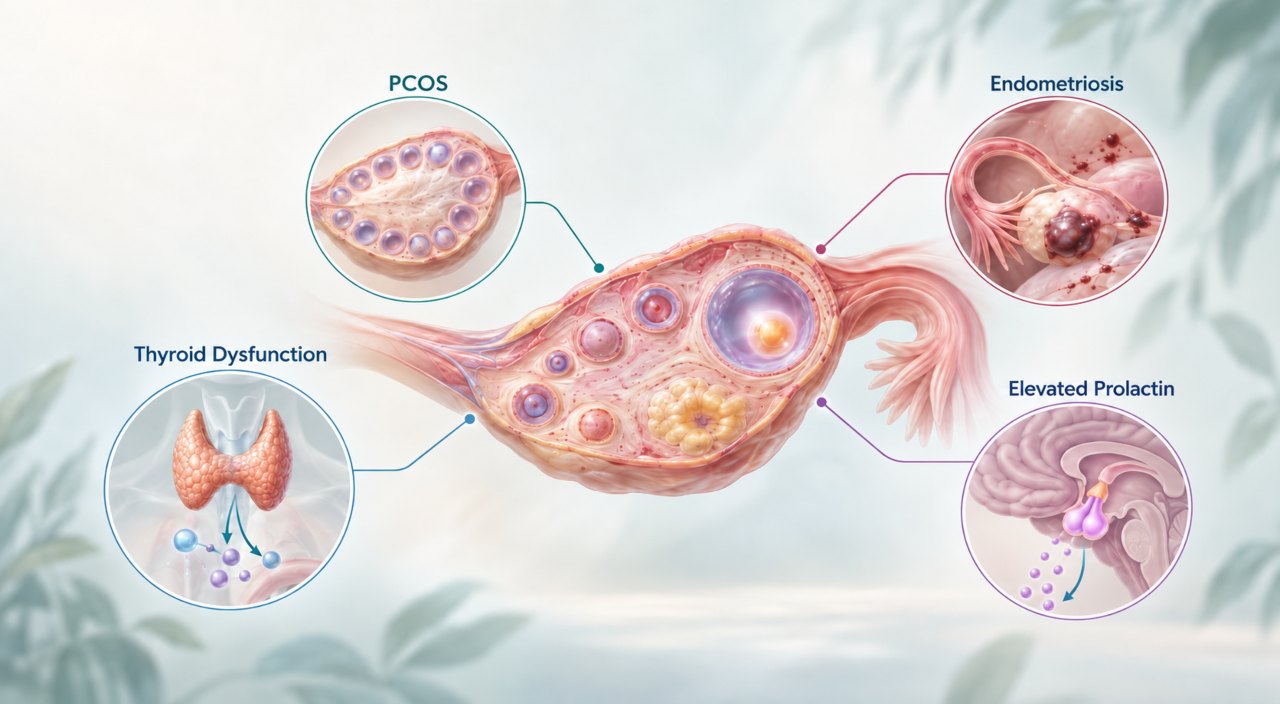
Some key issues like Polycystic Ovary Syndrome (PCOS), endometriosis, and thyroid problems play a big part in ovulation. PCOS leads to irregular periods and hormonal problems, making it a top cause of infertility. Endometriosis infrequently blocks fallopian tubes and prevent fertilization. Thyroid issues can also mess with the menstrual cycle and ovulation, affecting the chance to conceive. Various surgical options to treat endometriosis, such as laparoscopy may be necessary for symptomatic cases. Medical intervention is also possible for these conditions.
Symptoms to Watch For: Irregular Menstrual Periods
Catching fertility problems early is key for better reproductive health. Keep an eye out for signs like odd menstrual cycles, pain in the pelvic area, severe cramps, sudden weight changes, and too much hair growth. High prolactin levels, cutting down estrogen, might also cause infertility. Women seeing these signs should get a gynecological check-up to figure out what’s going on and get help.
When to Seek Medical Advice
If trying for a baby takes over a year without luck, it’s time to see a doctor. For women over 35, this goes down to six months. Regular checks with a gynecologist can spot fertility issues early for quicker help. Infertility often involves both partners about one-third of the time. Not ovulating often or at all is a common issue. A detailed look at reproductive health is crucial to find and treat these issues.
Conclusion
Awareness and early detection of conditions that affect ovulation are key to better fertility outcomes. Understanding diseases like Polycystic Ovary Syndrome, endometriosis, and thyroid issues is crucial. Knowledge, along with actions like exercise and changing your diet, can boost your fertility.
Looking after your reproductive health means more than just fixing symptoms. It’s about dealing with the core problems. This ensures care that focuses on you. Studies show that certain diets and increasing daily fiber help. They also point out the need to manage stress and body fats for a healthier reproductive system.
Having the right information and expert help makes facing fertility issues less daunting. Holistic care puts you on a path towards achieving your dreams of becoming a mother. Stay knowledgeable, seek advice when needed, and actively care for your reproductive health.
FAQ
What are some medical conditions affecting ovulation?
Conditions like Polycystic Ovary Syndrome (PCOS) and endometriosis can affect ovulation. Other issues include thyroid disorders and premature ovarian failure. Uterine fibroids and pituitary tumors also play a role.
What is ovulation?
Ovulation is when an egg is released from the ovary. It’s a key part in the menstrual cycle. This process is vital for fertility, as it allows for egg fertilization.
Why is ovulation crucial for fertility?
It’s key for fertility because it releases an egg ready for sperm fertilization. Without ovulation, getting pregnant naturally is not possible.
What are the symptoms and diagnosis criteria for PCOS?
PCOS symptoms include irregular periods and excess male hormones, causing facial hair. Diagnosis combines these symptoms with ultrasound images of the ovaries. Blood tests and clinical evaluations are also used.
How does endometriosis affect ovulation?
Endometriosis can lead to pelvic pain and inflammation. This can interfere with egg release and lead to fertility issues.
What treatments are available for women with PCOS?
Treatments include lifestyle changes, like a healthy diet and exercise. Medications such as hormonal contraceptives and insulin-sensitizing drugs are also options. These help regulate cycles and improve symptoms.
How do thyroid disorders impact ovulation?
Thyroid problems can mess with menstrual cycles and ovulation. Treatment focuses on balancing thyroid hormones. This helps normalize menstrual function and fertility.
What is hyperprolactinemia and how does it affect ovulation?
Hyperprolactinemia means having too much prolactin hormone. It leads to issues with ovulation. Treatments include medications that lower these hormone levels. This helps bring back normal ovulation.
What are uterine fibroids and how do they affect fertility?
Uterine fibroids are benign tumors in the uterus. They can cause heavy periods and pelvic pressure. Depending on their type and location, they may affect fertility. Treatment options vary, aiming to manage symptoms and support fertility goals.
What is premature ovarian failure and its implications?
This condition is like entering menopause early. It reduces ovarian function and complicates ovulation. Treatments include hormone therapy or assisted reproductive technologies for those wanting children.
How does hypothalamic amenorrhea affect ovulation?
It’s caused by stress or low body weight interfering with menstrual cycles. Addressing lifestyle factors and specific therapies can help restore normal menstruation.
What effects do pituitary tumors have on ovulation?
These tumors can upset the balance of hormones that control ovulation. Treatments may involve medication or surgery to get hormone levels back to normal and support ovulation.
What symptoms should you watch for that could indicate ovulation issues?
Watch out for signs like irregular periods or no periods at all, along with pelvic pain, and heavy bleeding. Also look for signs of hormonal imbalances. Consulting a doctor early is key for treatment.
How are multiple conditions affecting ovulation diagnosed and managed?
Providers use hormonal tests, imaging, and sometimes surgery for diagnosis. They tailor treatments to each individual’s unique needs. This approach aims to improve chances of pregnancy.
- Ovulation: Calculating, Timeline, Pain & Other Symptoms – https://my.clevelandclinic.org/health/articles/23439-ovulation
- Fertility & Ovulation: Facts to Help You Get Pregnant – https://www.webmd.com/baby/ss/slideshow-understanding-fertility-ovulation
- Physiology, Ovulation – StatPearls – NCBI Bookshelf – https://www.ncbi.nlm.nih.gov/books/NBK441996/
- Polycystic ovary syndrome (PCOS) – Symptoms and causes – https://www.mayoclinic.org/diseases-conditions/pcos/symptoms-causes/syc-20353439
- Polycystic Ovary Syndrome (PCOS) – https://www.hopkinsmedicine.org/health/conditions-and-diseases/polycystic-ovary-syndrome-pcos
- Polycystic ovary syndrome – https://www.who.int/news-room/fact-sheets/detail/polycystic-ovary-syndrome
- Endometriosis and Its Impact on Fertility – https://www.massgeneral.org/obgyn/fertility/news/endometriosis-and-its-impact-on-fertility
- How endometriosis impacts fertility – https://www.uclahealth.org/news/article/how-endometriosis-impacts-fertility
- Thyroid Disorders, Fertility, And Birth Complications | Carolinas Fertility Institute – https://carolinasfertilityinstitute.com/thyroid-disorders-fertility-and-birth-complications/
- Hyperprolactinemia & Ovulation Disorders | Loma Linda U. Fertility | CA – https://lomalindafertility.com/infertility/women/hyperprolactinemia-and-other-ovulation-disorders/
- Uterine fibroids can be the major causes of infertility | Bangkok Hospital – https://www.bangkokhospital.com/en/content/not-having-children-may-be-uterine-fibroids?srsltid=AfmBOoqGXWMNonjuOMmdXp6XwDHHoK9sF8Cbcz4X_NeXWUX3Uyf3YFpm
- Primary Ovarian Insufficiency | POI | MedlinePlus – https://medlineplus.gov/primaryovarianinsufficiency.html
- Primary Ovarian Insufficiency – StatPearls – https://www.ncbi.nlm.nih.gov/books/NBK589674/
- Primary ovarian insufficiency – Symptoms and causes – https://www.mayoclinic.org/diseases-conditions/premature-ovarian-failure/symptoms-causes/syc-20354683
- Pituitary tumors – Symptoms and causes – https://www.mayoclinic.org/diseases-conditions/pituitary-tumors/symptoms-causes/syc-20350548
- Treatment of infertility in women with pituitary tumors – PubMed – https://pubmed.ncbi.nlm.nih.gov/17004858/
- Female infertility-Female infertility – Symptoms & causes – Mayo Clinic – https://www.mayoclinic.org/diseases-conditions/female-infertility/symptoms-causes/syc-20354308
- Infertility – Symptoms and causes – https://www.mayoclinic.org/diseases-conditions/infertility/symptoms-causes/syc-20354317
- Infertility – Diagnosis and treatment – Mayo Clinic – https://www.mayoclinic.org/diseases-conditions/infertility/diagnosis-treatment/drc-20354322
- Female Infertility – StatPearls – NCBI Bookshelf – https://www.ncbi.nlm.nih.gov/books/NBK556033/
- Infertility in women Information | Mount Sinai – https://www.mountsinai.org/health-library/report/infertility-in-women
- Infertility: Causes, diagnosis, risks, and treatments – https://www.medicalnewstoday.com/articles/165748