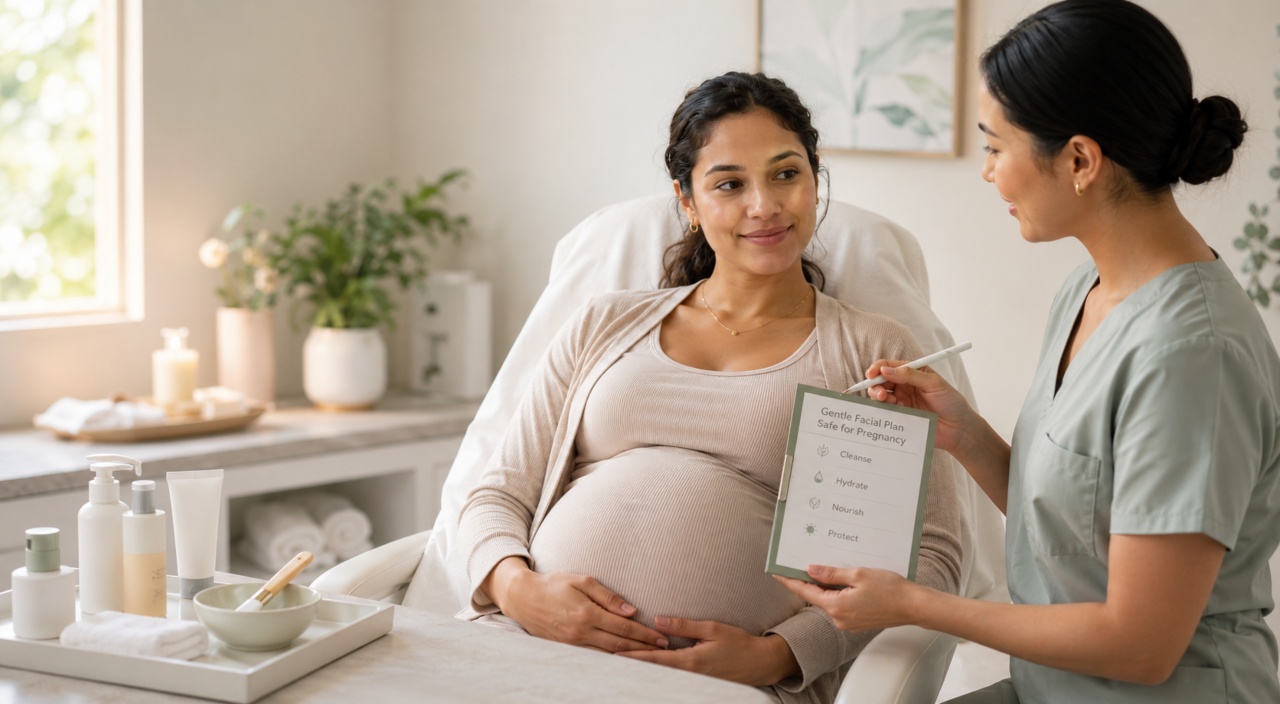

Pregnancy can change your skin in surprising ways, from increased sensitivity and acne to dryness and dark spots. While a little skincare and pampering can feel wonderful, knowing which facial treatments and ingredients are appropriate during pregnancy can help you care for your skin with greater confidence.
Pamper your skin safely with pregnancy-friendly facial care choices. Explore skincare and facials during pregnancy
Ask Dr. Stan
1. Can I safely get a facial while I’m pregnant?
Yes, many basic, gentle facials can be appropriate during pregnancy. Deep-cleansing, hydrating, and other noninvasive facials may help with common pregnancy skin concerns without exposing your skin to unnecessarily harsh treatments. Because pregnancy can make your skin more sensitive, always tell your aesthetician that you’re pregnant before treatment. Always consult your physician before trying a new facial or professional skincare treatment during pregnancy.
2. Why has my skin changed so much since becoming pregnant?
Pregnancy hormones can affect oil production, pigmentation, blood flow, and skin sensitivity. As a result, you might suddenly experience acne, dryness, itching, dark patches, or other changes even if your skin was predictable before pregnancy. Many of these changes are normal and may improve after delivery.
3. Which types of facials are gentler choices during pregnancy?
The article discusses deep-cleansing, oxygen, and hydrating facials as gentler options. Hydrating treatments can be especially appealing if pregnancy has made your skin feel dry or uncomfortable, while gentle cleansing may help manage increased oiliness. The ingredients and techniques used matter just as much as the facial’s name, so always consult your physician before beginning a new professional skincare treatment during pregnancy.
4. Are chemical peels safe during pregnancy?
Strong chemical peels are generally best avoided during pregnancy because some acids penetrate more deeply and pregnancy can make your skin more reactive. The article notes that milder treatments involving ingredients such as glycolic or lactic acid may sometimes be considered. However, the concentration and type of treatment matter. Always consult your pregnancy care provider or dermatologist before having any chemical peel while pregnant.
5. Which skincare ingredients should I be particularly careful about?
Retinoids are among the most important ingredients to avoid during pregnancy. The article also recommends caution with ingredients such as hydroquinone and high-dose salicylic acid, among others. Checking ingredient labels becomes especially important because products marketed for acne, anti-aging, or pigmentation may contain ingredients you weren’t expecting. Always consult your pregnancy care provider or dermatologist before using medicated or active skincare ingredients during pregnancy.
6. What can I do about pregnancy acne?
Pregnancy acne is common because hormonal changes can increase oil production. A gentle cleansing routine, oil-free moisturizer, and pregnancy-appropriate skincare products may help you manage breakouts without unnecessarily irritating sensitive skin. Avoid automatically reaching for your usual acne treatment, since some ingredients may not be appropriate during pregnancy. Always consult your pregnancy care provider or dermatologist before using acne medications or active treatments while pregnant.
7. How can I manage melasma or dark spots during pregnancy?
Hormonal changes can increase melanin production, leading to melasma or other areas of hyperpigmentation. Protecting your skin from the sun is particularly important because sunlight can make these areas darker. The article recommends gentle skincare and mineral sunscreens containing ingredients such as zinc oxide. Always consult your pregnancy care team or dermatologist before using treatments specifically intended to lighten pigmentation during pregnancy.
8. Why does my usual skincare suddenly irritate my skin?
Your skin can become more sensitive during pregnancy because of hormonal and immune-system changes. A product you’ve used comfortably for years might suddenly cause redness, dryness, itching, or irritation. Simplifying your routine, choosing gentle products without unnecessary fragrances or dyes, and patch-testing new products can help. If irritation persists or becomes severe, always consult your women’s health professional or dermatologist.
9. Are at-home facials a good alternative during pregnancy?
They can be a simple option when you want some extra skincare without an intensive professional treatment. The article discusses gentle ingredients such as oatmeal, honey, avocado, and yogurt for moisturizing or soothing the skin. Even natural ingredients can cause irritation or allergic reactions, particularly when pregnancy has made your skin more sensitive, so patch-testing is sensible. Always consult your physician if you’re uncertain whether a skincare ingredient is appropriate during pregnancy.
10. When should I talk to my doctor about a facial or skincare treatment?
It’s a good idea to ask before introducing professional treatments, strong active ingredients, acne medications, skin-lightening products, or procedures you’re unsure about. You should also seek medical guidance if you develop a severe rash, significant itching, unusual skin changes, or persistent irritation. Your pregnancy care provider or dermatologist can help you distinguish normal pregnancy-related changes from concerns that need evaluation. Always consult your pregnancy care providers before beginning treatments that could affect your health during pregnancy.