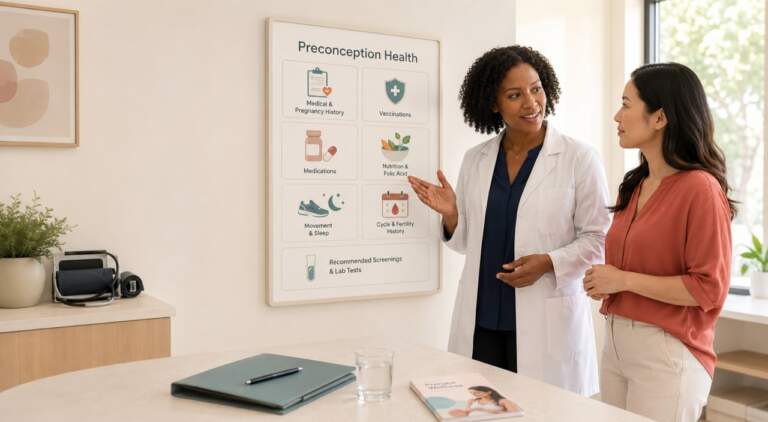

Prepping for pregnancy means more than just stopping birth control. Preconception health screenings help uncover health issues that could affect conception, pregnancy, and your baby’s well-being. From updated vaccines and genetic screening to nutritional guidance and managing chronic conditions, this is your opportunity to lay the healthiest foundation possible.
👉 For expert insights on getting pregnancy-ready the right way, read the full article here
Ask Dr. Stan
1. What is preconception health screening?
It’s a detailed checkup before trying to conceive that assesses overall health, screens for chronic conditions, reviews your medications, updates vaccines, and ensures your body is ready for pregnancy.
2. Why is preconception health screening important?
It helps identify and manage risks—like diabetes, high blood pressure, or genetic concerns—that can affect fertility and a healthy pregnancy. It also encourages healthier habits before conception.
3. When should I schedule my preconception health screening?
Ideally, 3 to 6 months before trying to conceive. This provides enough time to make necessary health adjustments, begin folic acid supplements, and update vaccinations.
4. What does the physical exam include?
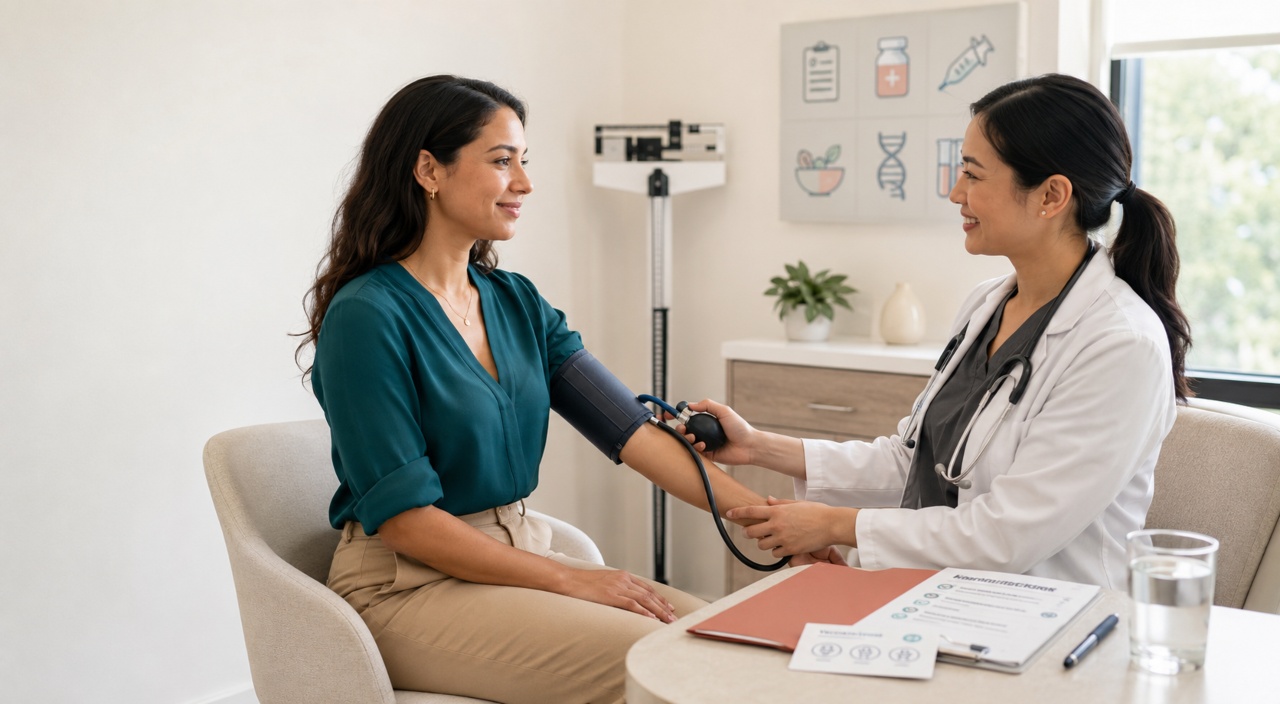
Your provider will check vital signs like blood pressure and BMI, assess reproductive health, and may run blood work or screenings for conditions like cervical cancer.
5. Why is reviewing my medical history part of the process?
It helps your provider spot past issues—like pregnancy complications, irregular cycles, or chronic illnesses—that could influence your reproductive health or treatment plan.
6. What is genetic carrier screening and why should I consider it?
It identifies if you or your partner carry genetic mutations for conditions like cystic fibrosis, Tay-Sachs, or spinal muscular atrophy (SMA). If both partners are carriers, there’s a risk of passing these to your child.
7. What’s the role of a genetic counselor?
A genetic counselor interprets test results, reviews family history, and helps you understand risks or options like IVF with embryo screening if you’re at high risk for genetic disorders.
8. How does nutritional counseling support preconception health?
It ensures you’re getting essential nutrients like folic acid, iron, and vitamin D. Diet adjustments can also help manage weight, support hormonal balance, and reduce pregnancy risks.
9. Which supplements are recommended before pregnancy?
Folic acid is essential to prevent neural tube defects. Depending on your health, your provider may also recommend vitamin D, calcium, or iron supplements.
10. Why should I manage chronic conditions before trying to conceive?
Conditions like high blood pressure, thyroid disorders, or diabetes can affect both fertility and pregnancy outcomes. Treating them early improves your health and your baby’s.
11. What vaccines should I have before pregnancy?
Measles, mumps, and rubella (MMR), varicella, hepatitis A, and a flu shot are key. Make sure you’re up to date to protect yourself and your baby from preventable diseases during pregnancy.
12. How does a mother’s vaccination protect the baby?
Vaccines like Tdap and flu shots during pregnancy offer passive immunity to your baby. For example, the respiratory syncytial virus (RSV) vaccine is a seasonal option given in the third trimester that protects newborns from severe respiratory illness.
13. Why is family health history so important?
Your family’s medical background may reveal risks for inherited conditions. Knowing this can guide testing and help prevent potential health issues for your child.
14. What lifestyle changes should I make before trying to conceive?
Quit smoking, avoid alcohol, limit caffeine, manage stress, and stay active. These habits boost fertility and help your body prepare for a healthy pregnancy.
15. Is preconception care just for women?
Not at all. Male partners should also undergo health screening to assess genetic risks and overall fertility health. A team approach leads to better outcomes for both partners and the future baby.