
Thinking about having a baby? A preconception checkup is the smart first move. This early evaluation can help uncover any medical concerns, improve fertility, and lay the groundwork for a healthy pregnancy and baby. From nutrition to family history, taking proactive steps before conception makes a powerful difference.
👉 For expert guidance on what to expect and how to optimize your health, read the full article here: Preconception Checkup: Your First Step Towards Pregnancy
Ask Dr. Stan
1. What is a preconception checkup and why should I get one?
A preconception checkup is a medical visit before trying to conceive. It helps to identify health issues that could affect fertility or pregnancy and allows medical intervention, if needed. Think of it as your health tune-up before the big journey begins.
2. How far in advance should I schedule my checkup before trying to conceive?
Ideally, you should plan your preconception appointment at least three months before trying for a baby. This gives you enough time to address any concerns, start supplements like folic acid, and make important lifestyle adjustments.
3. What kinds of medical conditions should be addressed beforehand?
Chronic issues like diabetes, high blood pressure, obesity, thyroid disorders, and autoimmune conditions can impact pregnancy. Managing these conditions as much as possible improves outcomes for both mom and baby.
4. Why is folic acid so important before pregnancy?
Folic acid reduces the risk of serious neural tube defects in babies. Taking at least 400 mcg daily—even before conception—can prevent conditions like spina bifida and anencephaly.
5. What happens during the preconception appointment?
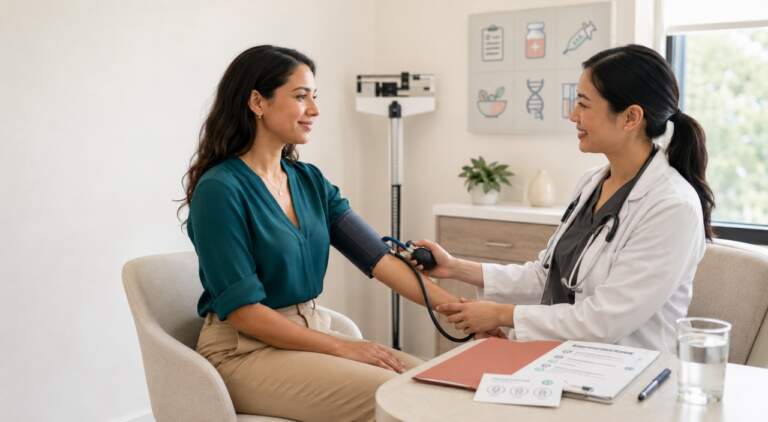
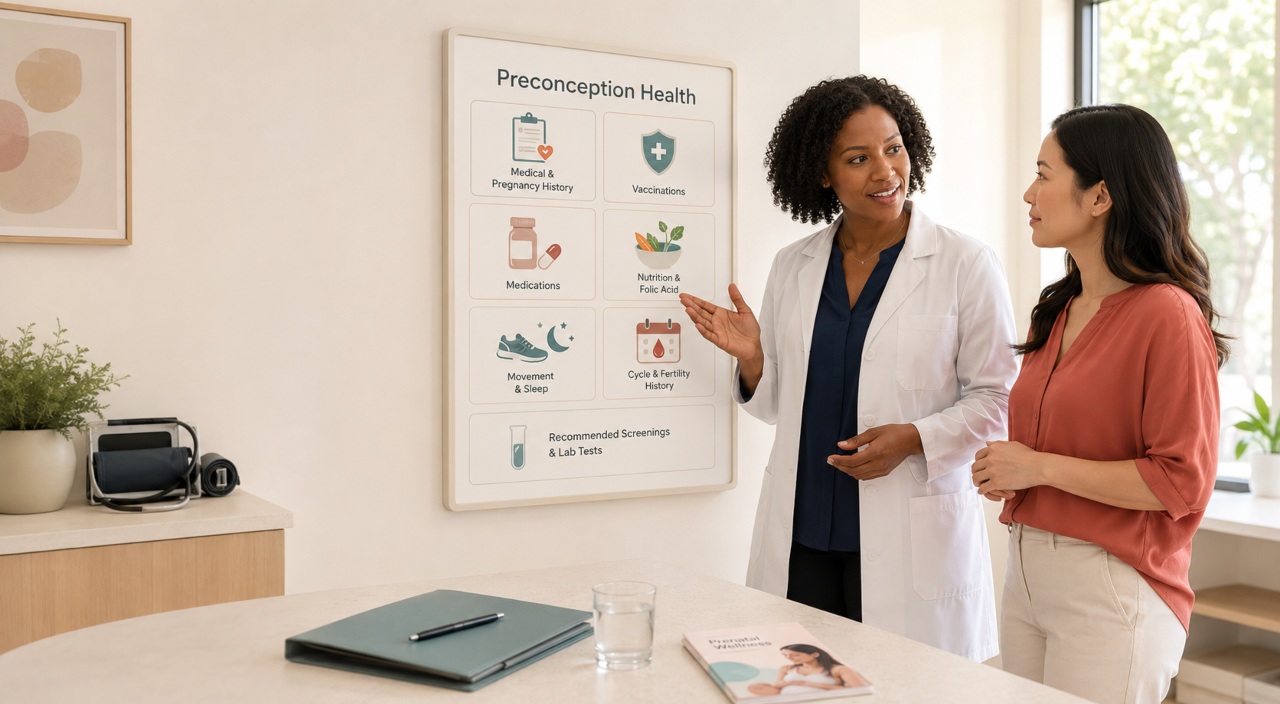
Your provider will review your medical history, do a physical and pelvic exam, check your weight and blood pressure, run lab tests, and discuss mental health, medications, and vaccinations. It’s comprehensive, ensuring your body is ready for pregnancy.
6. Is genetic testing something I should consider before getting pregnant?
Yes. Carrier screening can identify risks for inheritable conditions like cystic fibrosis or sickle cell anemia. Genetic counseling can help you understand the results and make informed decisions for your family.
7. Can lifestyle changes really impact fertility?
Absolutely. Maintaining a healthy weight, avoiding tobacco, limiting alcohol, managing stress, and getting regular moderate exercise can all improve your fertility and pregnancy outcomes.
8. Are vaccinations necessary before pregnancy?
Yes. Vaccines like MMR and Tdap are recommended throughout the year for pregnant women. Respiratory syncytial virus (RSV) and influenza vaccine are offered at certain times of the year. COVID-19 vaccine is currently optional. Vaccines are important for protecting both you and your future baby. Some vaccines need to be given before conception, so timing is critical.
9. How does knowing my family health history help with pregnancy planning?
Family history can reveal genetic or chronic conditions that might affect your pregnancy. Sharing this with your provider helps tailor your care and may prompt further genetic screening or early monitoring.
10. Can my partner’s health and habits affect our chances of conceiving?
Yes. Sperm health is influenced by weight, smoking, alcohol, stress, and more. A preconception plan works best when both partners commit to a healthy lifestyle.