
Endometriosis affects about 1 in 10 women of reproductive age, and it can make conception more challenging—but not impossible. Whether you’re newly diagnosed or navigating fertility treatments, learning how this condition affects your body can empower you to make informed choices and move forward with hope.
👉 For insights on symptoms, treatment options, and fertility solutions, read the full article here
Ask Dr. Stan
1. What is endometriosis and how does it develop?
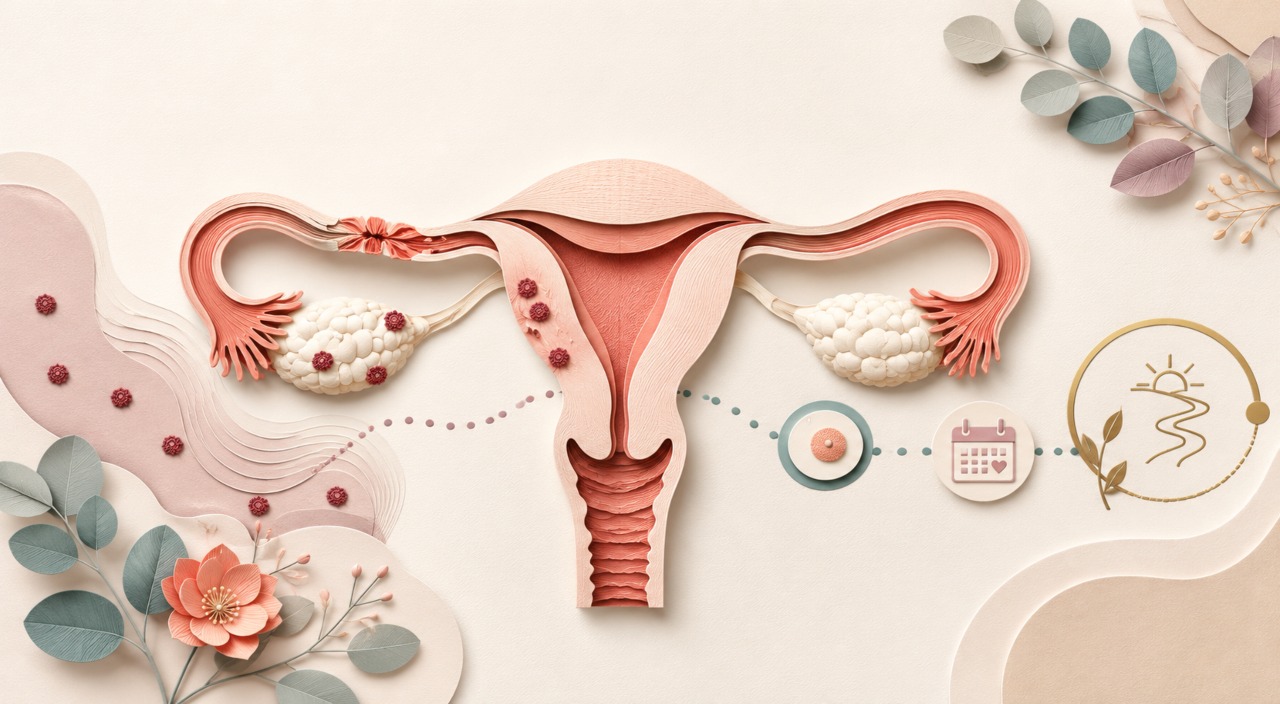
Endometriosis is a condition where tissue similar to the uterine lining grows outside the uterus. While the exact cause is unknown, theories include retrograde menstruation, genetics, and immune system dysfunction.
2. What are the most common symptoms?
Pelvic pain—especially during menstruation—is the most frequent symptom. Others include pain during intercourse, fatigue, bloating, nausea, and pain with bowel movements or urination.
3. Can endometriosis affect my ability to get pregnant?
Yes. Endometriosis can cause inflammation, scar and adhesions that may interfere with ovulation, egg transport, or fertilization, contributing to infertility in about 30–50% of cases.
4. How is endometriosis staged, and what does that mean for fertility?
Endometriosis is sometimes staged from I (minimal) to IV (severe). Higher stages often involve more extensive tissue effects and are more likely to impact fertility. However, even women with severe endometriosis can achieve pregnancy.
5. What role does laparoscopic surgery play in managing endometriosis?
Laparoscopy is a minimally invasive procedure used to diagnose and sometimes remove or treat endometriosis implants. It can improve symptoms and increase the chance of natural conception, especially in earlier stages.
6. What hormonal treatments are available, and do they help with fertility?
Hormonal options like birth control, progestins, and GnRH agonists can manage symptoms but may temporarily suppress ovulation. These are typically used when pregnancy is not an immediate goal or to prepare for fertility treatment.
7. Can assisted reproductive technologies help if I’m struggling to conceive?
Yes. IVF and IUI are common treatments for endometriosis-related infertility. IVF has higher success rates, especially in moderate to severe cases, though outcomes vary based on individual factors.
8. Are there natural ways to support fertility with endometriosis?
A healthy lifestyle can help. Eating an anti-inflammatory diet, exercising regularly, and maintaining a healthy weight may reduce symptoms and support reproductive health.
9. What are safe pain management strategies?
Over-the-counter medications such as acetaminophen, ibuprofen, or naproxen are usually safe, unless you are allergic to these medications. You may want to consult your healthcare provider. Non-drug approaches may be beneficial for relaxation and to take your mind off of the pain. Examples include prayer, meditation, yoga or other exercise. Heat may feel good with a heating pad or warm bath. Some women may try acupuncture or massage.
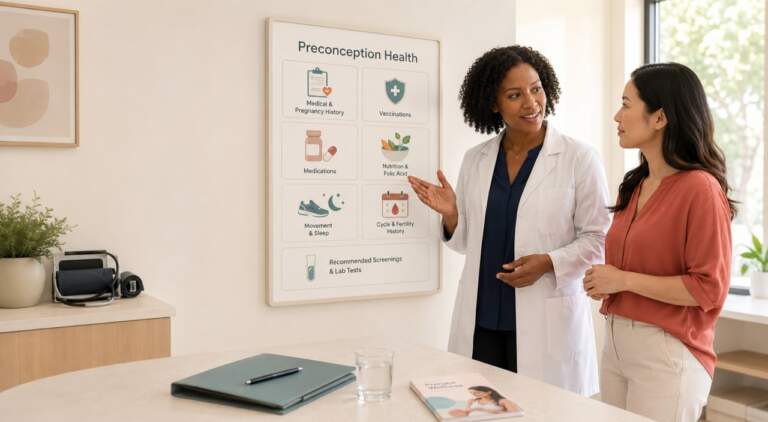
10. Why is preconception counseling important if I have endometriosis?
It allows you to be proactive. Your women’s health provider can review treatment options to help you manage symptoms. Then, you are able to focus on getting pregnant.