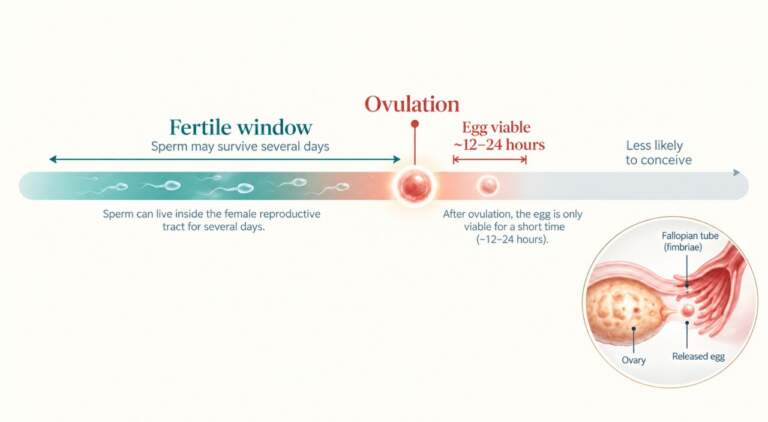

When you’re trying to get pregnant, stress can feel like an unwelcome passenger on your journey. But did you know that stress can actually interfere with your body’s natural cycle—including ovulation? In this Q&A, we’ll look at how stress affects your reproductive hormones and what you can do to protect your fertility and find more peace in the process.
👉 Want to understand the science behind stress and ovulation?The Connection Between Stress and Ovulation Protecting Your Fertility
Ask Dr. Stan
1. Dr. Stan, how does stress really affect ovulation?
When you’re under chronic stress, your body produces more cortisol—the stress hormone. This hormone can disrupt the delicate hormonal signals that regulate your cycle, particularly the release of luteinizing hormone (LH) and follicle-stimulating hormone (FSH), which are essential for ovulation. Over time, this can delay or even prevent ovulation.
2. Can stress actually make someone stop ovulating altogether?
Yes, it can. This is called anovulation, and it means no egg is released during the cycle. Chronic stress disrupts the hypothalamus-pituitary-ovarian axis, which is the communication pathway responsible for regulating hormones like LH and FSH. Without these hormones functioning properly, ovulation may not occur.
3. I’ve heard stress can delay my period. Is that true?
Absolutely. High cortisol levels can interfere with estrogen and progesterone, the hormones that regulate your menstrual cycle. This can cause periods to arrive late, be skipped entirely, or become irregular. If stress becomes a long-term issue, these irregularities may persist and affect your fertility.
4. Is stress management really that important when trying to conceive?
Very much so. Reducing stress can help restore hormonal balance, improve ovulation, and support overall reproductive health. Mindfulness, prayer, gentle exercise, therapy, and adequate rest are all powerful tools. And remember—what helps one person may differ for another, so find what works best for you.
5. Can stress affect my fertility even if I’m doing everything else “right”?
Yes, even with good nutrition, a healthy weight, and proper cycle tracking, unmanaged stress can reduce your chances of conception. Stress affects both ovulatory function and implantation, which means it can impact the ability to get pregnant and stay pregnant.
6. What are some signs that stress is interfering with my fertility?
Look for irregular or missed periods, increased PMS symptoms, changes in cervical mucus, or feeling unusually tired or anxious. If you’re actively trying to conceive and not seeing results after several months, it may be time to evaluate stress as a potential factor—with the help of your physician.
7. Does stress impact IVF success rates, too?
It does. Studies have shown that women with higher levels of anxiety or depression before IVF had lower success rates. Emotional well-being matters. Participating in counseling, support groups, or relaxation programs during IVF can improve both your mental health and your chances of a successful cycle.
8. What are the best ways to reduce stress and protect fertility?
Gentle movement like yoga or walking, mindfulness practices such as prayer, deep breathing or meditation, and regular sleep are all excellent ways to manage stress. Cognitive Behavioral Therapy (CBT) has also shown great success in reducing anxiety in women undergoing fertility treatments. As always, consult your doctor before starting any new treatment plan.
9. How does stress affect men’s fertility?
Chronic stress can lower testosterone, reduce sperm count, and affect sperm motility and quality. It may also impact libido and sexual function. Just like women, men benefit from stress-reducing activities and a supportive environment when trying to conceive.
10. When should I talk to my doctor about stress and fertility?
If you’ve been trying to conceive for six months (if over 35) or a year (if under 35) without success—or if you’re experiencing irregular cycles or emotional burnout—it’s time to reach out. A physician can help you identify underlying issues, recommend lifestyle changes, and connect you with support resources. Always speak with your healthcare provider before starting any new medical, therapeutic, or holistic treatment for fertility or stress.