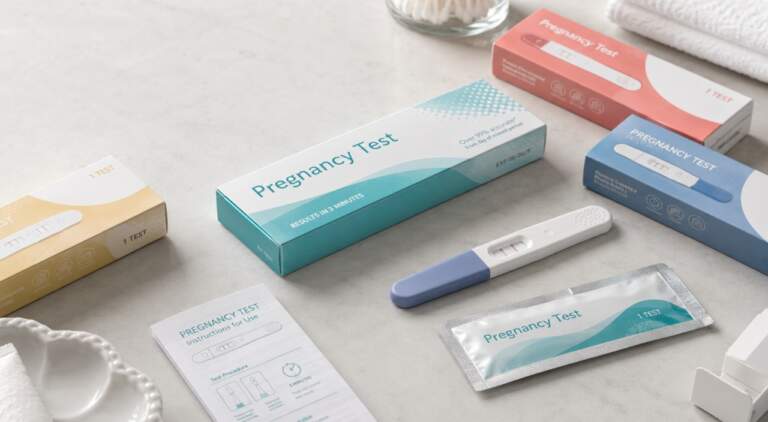

Eating disorders don’t just affect how you look or feel—they can seriously impact your chances of getting pregnant. From hormone imbalances to nutritional deficiencies and mental health challenges, these disorders influence reproductive health in complex ways. The good news? With the right care, support, and planning, many women go on to have healthy pregnancies.
👉 For guidance on restoring balance and improving fertility, read the full article here
Ask Dr. Stan
1. How do eating disorders affect fertility?
Eating disorders like anorexia, bulimia, and binge eating disrupt hormone levels and menstrual cycles, which can prevent ovulation and make conception more difficult.
2. What are the main fertility risks with anorexia nervosa?
Anorexia can lead to low estrogen levels, shrinking of reproductive organs, and amenorrhea (loss of periods), all of which significantly reduce fertility—even after recovery.
3. Can bulimia nervosa impact my ability to conceive?
Yes. Bulimia causes hormone and electrolyte imbalances, which can interfere with ovulation and cause irregular periods, making it harder to predict your fertile window.
4. How does binge eating disorder (BED) affect fertility?
BED leads to frequent weight fluctuations and hormonal disturbances. Being significantly over- or underweight can disrupt your cycle and ovulation, reducing your chance of conceiving.
5. Why are nutrient deficiencies a concern for women trying to get pregnant?
Deficiencies in key nutrients like potassium, magnesium, and vitamin D are common with eating disorders and can interfere with fertility and affect fetal development once pregnant.
6. How important is mental health when addressing fertility with an eating disorder history?
Very much so. Depression, anxiety, and poor body image often accompany eating disorders and can negatively affect reproductive hormones. Mental health care is essential for fertility support.
7. Can someone with a history of an eating disorder still have a healthy pregnancy?
Yes, but it often requires additional support. With good nutrition, mental health care, and preconception planning, many women overcome these challenges and go on to have healthy pregnancies.
8. What role does preconception care play for someone with an eating disorder?
It helps address both physical and emotional barriers to conception. Providers can guide nutritional recovery, hormone regulation, and mental health stabilization before trying to conceive.
9. What are the signs of hormonal imbalances caused by eating disorders?
Signs include missed or irregular periods, difficulty tracking ovulation, and changes in mood or libido. These are often due to disrupted levels of estrogen, progesterone, or other key hormones.
10. Why aren’t more women screened for eating disorders in fertility care?
Despite their impact, eating disorders often go undetected. Increased awareness, better screening by healthcare providers, and open conversations are needed to improve outcomes.