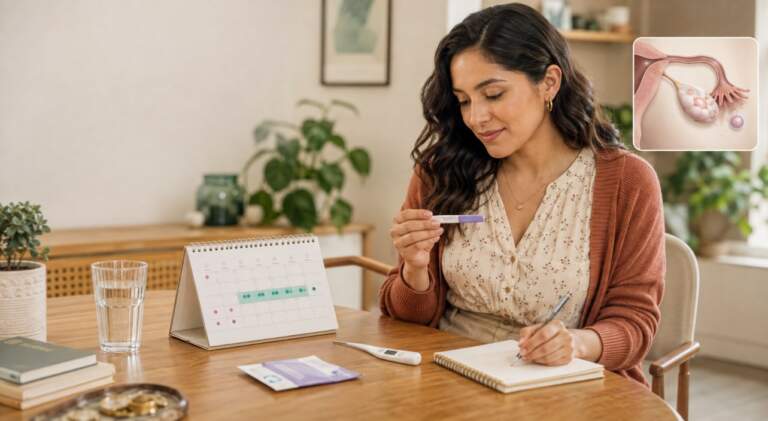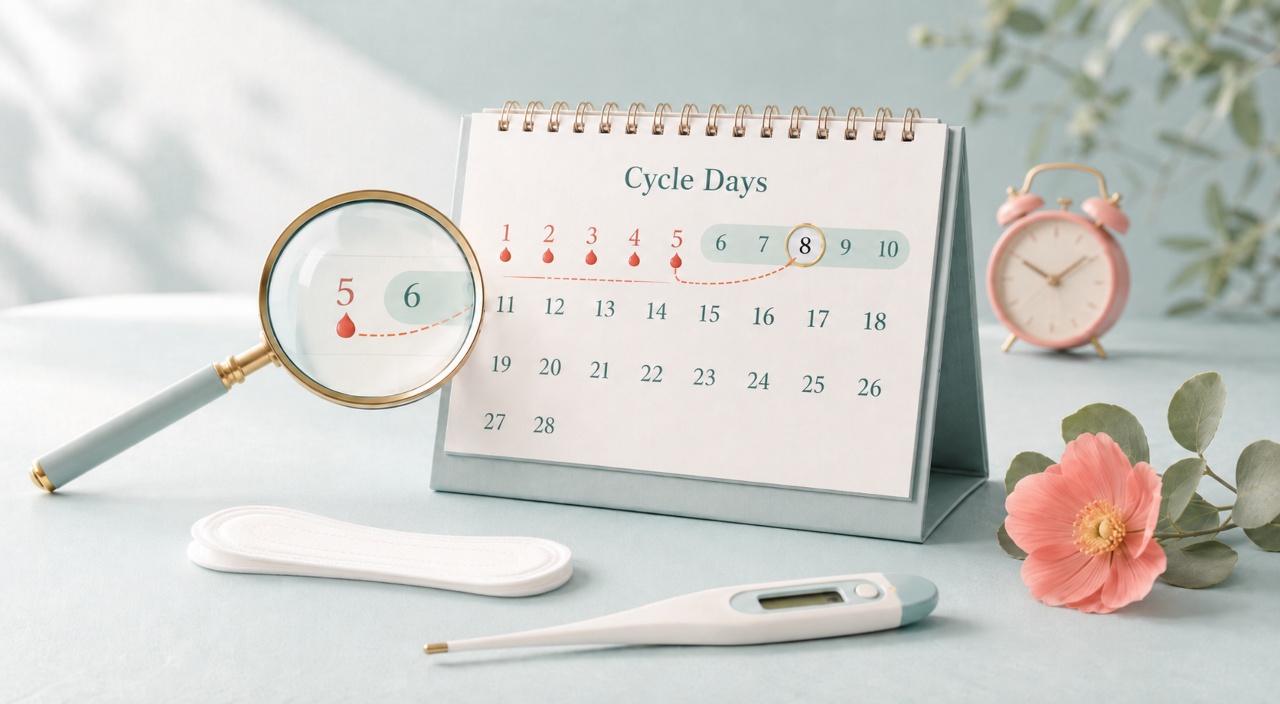

Getting pregnant near your menstrual is unlikely but possible. Sperm can live in the woman’s reproductive organs for up to five days. Vaginal bleeding may not be a menstrual cycle. Spotting or breakthrough bleeding can occur and may lead to confusion about the fertility window.
The average menstrual cycle is 28 days long. Ovulation usually happens on day 14. But this can change a lot. For people with longer cycles, ovulation might be around day 21. Those with shorter cycles might ovulate earlier, near day 7. So, you can indeed get pregnant during your period, especially later on.
Key Takeaways
- A normal menstrual cycle can be from 21 to 35 days or even longer, which affects when you ovulate.
- Ovulation often occurs 12-14 days after your period finishes, but this timing can vary.
- Since sperm can survive in the woman’s body for 3-5 days, getting pregnant at the end of your period is remotely possible.
- The chance of getting pregnant just after your period starts is very low. But it grows with each day.
- Birth control greatly reduces risk of pregnancy during your period.
- Not all vaginal bleeding is the same as having a period. Spotting or breakthrough bleeding can occur, affecting the likelihood of conception.
Understanding the Menstrual Cycle
Learning about the menstrual cycle is helpful to understand reproductive health. The cycle has hormonal changes that occur throughout the month. These changes are split into phases. They affect your fertility and health. Not all vaginal bleeding is the same as having a period; spotting or breakthrough bleeding can occur, which can affect fertility.
Phases of the Menstrual Cycle
The menstrual cycle has four main parts: menstrual, follicular, ovulation, and luteal phases. Each part gets your body ready for a possible pregnancy.
- Menstrual Phase: Your period starts on day one and goes for 3 to 7 days. Your body sheds the uterine lining, causing bleeding. The amount of blood loss is variable. It’s important to note that not all vaginal bleeding is the same as having a period; spotting or breakthrough bleeding can occur.
- Follicular Phase: Right after your period, this phase takes up days 1 to 14. Your ovaries may prepare a follicle to release an egg. Estrogen levels rise. An egg is prepared to be released from the follicle.
- Ovulation Period: Around day 14 in a 28-day cycle, an egg is released. It’s ready to be fertilized. This time is important for those trying to get pregnant.
- Luteal Phase: This is from days 14 to 28. If there’s no fertilization, estrogen levels decrease while progesterone levels increase. The end of this phase leads to the menstrual phase. The cycle starts over. A short luteal phase can impact fertility by not allowing enough time for a fertilized egg to implant.
Ovulation Timing and Its Importance
Knowing when ovulation happens is helpful if you are trying to get pregnant. This is when pregnancy chances are highest. You can track ovulation in many ways. Tools include basal body temperature checks, observing cervical mucus, and ovulation tests.
Cycle lengths can normally differ from 21 to 35 days. You can approximate ovulation day by subtracting 14 from the total length of your menstrual cycle. For example, a 21 day cycle suggests that ovulation could occur as early as day 7. A 35 day cycle, but approximate ovulation on day 21. Keeping track of your menstrual cycle helps you learn your cycle’s pattern. This tells you a lot about your reproductive health. If there are questions or confusion, reach out to your women’s healthcare provider for guidance.
How Ovulation Impacts Fertility
By closely tracking ovulation, you learn when you’re most likely to conceive. This knowledge helps with family planning.
The Role of Ovulation in Conception
Ovulation occurs when an egg is released from the ovarian follicle. Usually, the eggEnters the end of the floating tube where it can be fertilized by sperm, starting the conception process.
This fertile window can last up to 7 days. Sperm can live in the woman’s reproductive organs for about 5 days. The egg can remain viable for 24 hours. Therefore, having intercourse before ovulation and a day after ovulation can result in pregnancy.
Menstrual cycles vary, lasting from 21 to 35 days. So, ovulation can happen at different times. But it mostly occurs 10 to 16 days before your next period. The day before and the days leading to the day of ovulation are your most fertile days.
Pregnancy on Your Period: Is It Possible?
Getting pregnant on your period isn’t likely, but it’s not impossible. Not all vaginal bleeding is the same as having a period; spotting or breakthrough bleeding can occur and may lead to confusion about fertility windows. Most people have a 28-day menstrual cycle, with ovulation around day 14. Still, only about 30% ovulate between days 10 and 17.
Why Fertility Myths Persist
It’s surprising how many fertility myths are still around, even with modern medical science and sexual education. Social media and improperly monitored AI will promote false information and beliefs that cause confusion.
Common Misconceptions about Menstrual Pregnancy
One common myth is that you can’t get pregnant during your period. But getting pregnant during this time isn’t impossible. The fertile window can last longer than expected due to sperm lifespan, which can survive in a woman’s body for very long periods up to five days.
There’s also a misunderstanding about ovulation timing. Many think it happens on the 14th day of their cycle. But this timing isn’t accurate for everyone. Women’s cycles differ in length, so knowing your own body is vital to challenge these reproductive misconceptions.
Educational Gaps and Awareness
Social media and internet communities often spread these myths too. Though useful, they sometimes share wrong information. It’s critical to seek out dependable, medically-reviewed sources to combat these reproductive misconceptions and improve sexual health education. Stork AdvisorⓇ is such a resource with our evidence-based content that is reviewed by women’s health professionals.
Addressing these educational shortcomings can lead to a better understanding of menstrual and reproductive health. This helps everyone make smarter choices about their bodies and futures.
Risks of Unprotected Sex During Menstruation
Having unprotected sex while on your period has risks. These include getting sexually transmitted infections (STIs) and the chance of pregnancy. Knowing these risks helps you make smart choices for your sexual and period health.
STIs and Pregnancy Risks
Every year, the United States sees around 20 million new STI cases. When you’re menstruating, your cervix opens a bit. This makes it easier to catch STIs.
Many think you can’t get pregnant on your period, but you can, especially if your cycle is short. Sperm can live inside the woman’s body for up to 5 days. If ovulation happens right after your period ends, you might get pregnant.
The Fertility Window and Conception
Understanding your fertility window is crucial when trying to get pregnant. It’s the time in your menstrual cycle when conceiving is most likely. By tracking basal body temperature or using ovulation kits, you can identify your fertility window.
Research shows conception chances vary from 15-30% around ovulation. Having sex near ovulation boosts conception chances. This is due to the fertile window’s ideal conditions. The basal body temperature method notes a small temperature increase during ovulation. Ovulation kits can also predict ovulation, usually within 24 hours of a positive test.
To increase your odds of getting pregnant during the fertile window, it is essential to determine ovulation signs. Then, you can know when to have sex in relation to ovulation is essential for couples trying to have a baby. If you’re under 35 and haven’t conceived after a year, or over 35 and haven’t after six months, seek reproductive health advice.
About 15-20% of early pregnancies end in loss. This highlights the need for precise timing and tracking during your fertile window as part of effective pregnancy planning.
Case for Early Ovulation and Short Menstrual Cycles
There are several factors about how early ovulation and short cycles impact fertility, especially when trying to get pregnant. These aspects greatly influence when and how successfully one can conceive. It is important to note that not all vaginal bleeding is the same as having a period; spotting or breakthrough bleeding can occur, which can affect fertility.
Impact on Conceiving During a Period
Ovulating early might help you conceive sooner, but it comes with challenges. These women can ovulate by day 7, so the unusually early ovulation day in comparison with many women can make appropriate timing for intercourse to be challenging.
Short menstrual cycles, about 21 days long, cause the fertility window to be earlier than expected. But, they don’t lessen the chance of getting pregnant. Studies show ovulating before day 13 doesn’t hurt pregnancy rates.
A short luteal phase, under 10 days, may suggest a luteal phase defect. This issue could hinder how the uterus prepares for an embryo, affecting conception. That is when a reproductive medical specialist needs to be consulted.
Irregular Cycles and Fertility Challenges
Irregular cycles often make conceiving difficult. They lead to unpredictable ovulation which can lower the odds of conception. Common reasons for this include thyroid issues, stress, and PCOS.
Diet, stress, and sleep are also vital. Thankfully, options exist to help manage cycles. With treatments like medication to stimulate ovulation or lifestyle changes, you can address fertility issues from irregular cycles.
Seeing a fertility expert and using ovulation trackers can improve your conception chances. This is true even with the hurdles of early ovulation and short cycles.
Signs of Early Pregnancy and Missed Periods
Knowing the signs of early pregnancy is vital for anyone hoping to become pregnant or tracking their health. Recognizing these signs and knowing when to test can be very helpful. Many symptoms can show up before even missing your period, giving you clues. It’s important to note that not all vaginal bleeding is the same as having a period; spotting or breakthrough bleeding can occur, which can affect fertility.
Recognizing Early Pregnancy Symptoms
Some early signs of pregnancy are:
- Implantation bleeding: This happens when the fertilized egg attaches inside the uterus, around 10 to 14 days after conception. It might look like light spotting around the time you expect your period.
- Nausea and vomiting: Often called morning sickness, it can happen any time and affects about half of all pregnant people.
- Fatigue: Early stages of pregnancy can make you extremely tired due to high progesterone levels.
- Breast tenderness: Changes in hormones may make your breasts feel sore and swollen, but this usually improves after a few weeks.
- Increased urination: Pregnancy increases your blood volume, causing your kidneys to work harder. This means you’ll need to go to the bathroom more often.
- Other symptoms: You might also experience mood swings, bloating, light cramping, constipation, not liking certain foods, and a stuffy nose as early signs.
When to Take a Pregnancy Test
Take a pregnancy test anytime you question what is going on.
Here’s what to keep in mind:
- Usually, it’s best to take a home pregnancy test a few days after missing your period. This timing allows the pregnancy hormone hCG to increase to detectable levels.
- Healthcare providers can do blood tests to find out if you’re pregnant with great accuracy, even one week before your period is due.
- If you’re showing early pregnancy symptoms and miss your period, consider taking a test at home or see a doctor for confirmation.
- Remember, other things like stress, too much exercise, or hormone issues can also cause you to miss your period. If unsure, it’s wise to seek medical advice.
Understanding Unusual Bleeding and Fertility
Unusual menstrual bleeding can be confusing when you are trying to get pregnant. An irregular menstrual cycle can be mistaken for ovulation spotting.
Distinguishing Between Menstrual and Ovulation Bleeding
Unusual menstrual bleeding might happen as either very heavy or very light bleeding. A period might be heavy or light. On the other hand, ovulation spotting is usually lighter. It happens around ovulation, in the middle of your cycle. Knowing which type and timing of bleeding you experience can help figure it out. It helps avoid any mix-ups and keeps your menstrual tracking accurate.
Consulting with Healthcare Providers
When you’re thinking about your fertility, it’s important to talk with your women’s health provider. This fertility guidance gives you clear steps for your reproductive health. It helps you know if your symptoms are normal or unusual.
Importance of Medical Guidance
Your women’s health provider’s advice is vital for your specific reproductive health. They give you advice that fits your health history. This healthcare professional advice means you get the right info for your situation, helping you choose wisely.
Discussing symptoms like severe cramping or heavy bleeding is crucial. It can help find and treat any issues early. Additionally, it’s important to understand that not all vaginal bleeding is the same as having a period; spotting or breakthrough bleeding can occur, affecting the likelihood of conception.
Fertility Treatments and Specialist Referrals
If you’re having trouble with fertility, your provider might send you to a specialist. Specialists can help in certain reproductive problems. It may require medicine, tech help, or changes in how you live. Fertility guidance from a fertility specialist raises your chances of having a baby.
Conclusion
We’ve looked at the cycle, ovulation, and pregnancy chances during menstruation. Learning about these helps manage reproductive health and plan pregnancies better.
We explored ovulation timing, fertility windows, and myths about pregnancy and menstruation. Women usually have cycles between 24 and 28 days. Knowing how long sperm and egg lives, and the menstrual phases improves pregnancy planning.
FAQ
Can you get pregnant if you have sex during your period?
Yes, there’s still a chance to get pregnant during your period. This is because menstrual cycles can vary and sperm can live for days.
What are the phases of the menstrual cycle?
The menstrual cycle includes four phases. They are menstruation, the follicular phase, ovulation, and the luteal phase. Each phase plays an important role.
Why is tracking ovulation important?
Knowing when you ovulate helps identify your fertile days. This is useful both for avoiding and for trying to get pregnant. Tools like temperature charts and ovulation kits can help.
What impacts can early ovulation have on conception?
Ovulating early can raise your chances of getting pregnant during your period. Short cycles increase this likelihood. Knowing your cycle is crucial.
Are there common misconceptions about menstrual pregnancy?
Many falsely believe you can’t get pregnant during your period. But due to sperm survival and cycle variations, it’s possible. Sexual education helps correct these myths.
What are the risks of unprotected sex during menstruation?
Having unprotected sex during your period risks pregnancy and STIs. Always use effective contraception, no matter the menstrual phase.
What is the fertility window?
The fertility window is when you’re most likely to conceive, around ovulation. Understanding this window aids in planning or preventing pregnancy.
How long can sperm survive in the female reproductive system?
Sperm can live up to five days inside sperm cells in the female body. This longevity impacts the timing of conception, particularly with ovulation.
How effective are various contraception methods during the menstrual cycle?
Contraceptive methods, including barrier options, hormonal pills, and IUDs, have different success rates. They all help lower the chance of pregnancy during your cycle.
What are early pregnancy symptoms?
Early signs of pregnancy are missed periods, spotting, feeling tired, and nausea. If you miss a period and have these signs, take a pregnancy test.
How can you differentiate between menstrual and other types of reproductive bleeding?
Menstrual bleeding has a regular pattern. In contrast, bleeding from ovulation or other causes may look different. Knowing your cycle helps spot what’s unusual.
When should you consult a healthcare provider about fertility concerns?
If you have irregular cycles, trouble getting pregnant, or other fertility issues, see a doctor. They can guide you to the right treatment or specialist.
References
- Period Sex: Can You Get Pregnant? – https://www.healthline.com/health/pregnancy/sex-on-period
- Can you get pregnant on your period? – https://www.medicalnewstoday.com/articles/324829
- Menstrual Cycle (Normal Menstruation): Overview & Phases – https://my.clevelandclinic.org/health/articles/10132-menstrual-cycle
- A guide to menstrual cycles, getting pregnant and more – https://www.osfhealthcare.org/blog/a-guide-to-menstrual-cycles-getting-pregnant-and-more/
- Menstrual Cycle Basics – Your Period – https://www.yourperiod.ca/normal-periods/menstrual-cycle-basics/
- Periods and fertility in the menstrual cycle – https://www.nhs.uk/conditions/periods/fertility-in-the-menstrual-cycle/
- Fertility & Ovulation: Facts to Help You Get Pregnant – https://www.webmd.com/baby/ss/slideshow-understanding-fertility-ovulation
- Female fertility and your period – https://www.fcionline.com/article/female-fertility-and-your-period/
- Myth Busted: You Can Get Pregnant During Your Period – https://health.clevelandclinic.org/can-you-get-pregnant-on-your-period
- Can You Get Your Period and Still Be Pregnant? – https://www.healthline.com/health/pregnant/period-and-pregnant
- 5 Fertility Myths That Keep Women in the Dark About Their Reproductive Health – https://ifstudies.org/blog/5-fertility-myths-that-keep-women-in-the-dark-about-their-reproductive-health
- True or False? Let’s Debunk Some Fertility Myths – https://perelelhealth.com/blogs/news/common-fertility-myths?srsltid=AfmBOoqttlHUUrETZyOP0fLJFdkNzA_dduvdC_XGpuUjAPKZjtNmWJlY
- Women’s fertility is more complicated than you might have heard – https://www.bbc.com/future/article/20240313-the-fertility-myth-most-advice-says-womens-fertility-declines-after-35-the-truth-is-more-complicated
- Sex During Periods: Benefits, Side Effects, Pregnancy Risk, and Tips – https://www.healthline.com/health/womens-health/sex-during-periods
- Sex during menstruation: Is it safe, can you get pregnant, and benefi – https://www.medicalnewstoday.com/articles/321667
- The timing of the “fertile window” in the menstrual cycle: day specific estimates from a prospective study – https://www.ncbi.nlm.nih.gov/pmc/articles/PMC27529/
- Calculating Your Monthly Fertility Window – https://www.hopkinsmedicine.org/health/wellness-and-prevention/calculating-your-monthly-fertility-window
- What a Short Menstrual Cycle Says About Your Pregnancy Odds – https://www.parents.com/getting-pregnant/what-a-short-menstrual-cycle-says-about-your-fertility/
- Early ovulation: Why does it happen, and is it a problem? – https://flo.health/getting-pregnant/trying-to-conceive/early-ovulation
- What Is Causing Your Early Ovulation and Can It Be Fixed? – https://www.miracare.com/blog/early-ovulation-symptoms-treatment-and-conception/
- Fertility and Getting Pregnant: Everything You Need to Know – https://www.lifespan.org/lifespan-living/fertility-and-getting-pregnant-everything-you-need-know
- What are the Odds of Getting Pregnant on Your Period? – https://natalist.com/blogs/learn/what-are-the-odds-of-getting-pregnant-on-your-period?srsltid=AfmBOor2zgkvmQKhtDWwXJ-_VY8-ohtwT04X7Z3pL56f-iMmYsfXDtWc
- Contraception and Preventing Pregnancy – https://opa.hhs.gov/reproductive-health/preventing-pregnancy-contraception
- Contraception – StatPearls – NCBI Bookshelf – https://www.ncbi.nlm.nih.gov/books/NBK536949/
- Am I Pregnant? Early Symptoms of Pregnancy & When To Test – https://my.clevelandclinic.org/health/articles/9709-pregnancy-am-i-pregnant
- Symptoms of pregnancy: What happens first – https://www.mayoclinic.org/healthy-lifestyle/getting-pregnant/in-depth/symptoms-of-pregnancy/art-20043853
- How Your Period Affects Your Chances of Getting Pregnant – https://www.parents.com/getting-pregnant/trying-to-conceive/how-your-period-affects-your-chances-of-getting-pregnant/
- Irregular Periods and Getting Pregnant – https://www.webmd.com/infertility-and-reproduction/irregular-periods-and-getting-pregnant
- Patient education: Abnormal uterine bleeding (Beyond the Basics) – https://www.uptodate.com/contents/abnormal-uterine-bleeding-beyond-the-basics/print
- Signs of Delayed Periods Vs Pregnancy Near Me in Austell GA – https://www.cobbwomenshealth.com/delayed-period-vs-pregnancy
- Preventive Counseling in Routine Prenatal Care—A Qualitative Study of Pregnant Women’s Perspectives on a Lifestyle Intervention, Contrasted with the Experiences of Healthcare Providers – https://www.ncbi.nlm.nih.gov/pmc/articles/PMC9140722/
- Can You Go to the Gynecologist On Your Period? – https://health.clevelandclinic.org/can-you-go-to-a-gynecologist-appointment-when-youre-on-your-period
- Is It Possible to Get Pregnant While on Your Period? – https://obgyn-newportbeach.com/pregnancy/is-it-possible-to-get-pregnant-while-on-your-period/
- Pregnancy risk during menstrual cycle: misconceptions among urban men in India – https://www.ncbi.nlm.nih.gov/pmc/articles/PMC5469003/