
How Understanding Ovulation Helps You Take Charge of Conception
If you’re trying to get pregnant—or just want to better understand your reproductive health—learning how ovulation works is a powerful first step. Ovulation is more than just a day on the calendar; it’s a complex and important part of your fertility journey. Let’s explore what’s happening in your body and how to work with it, not against it.
👉 Want to dig deeper into how ovulation works? Read the full article here
Ask Dr. Stan
1. When exactly does ovulation happen during the menstrual cycle?
Ovulation typically occurs about midway through your cycle—around day 14 if you have a 28-day cycle. But not every cycle follows textbook predictability. Ovulation can happen as early as day 11 or as late as day 21, depending on your individual pattern. That’s why tracking your cycle and understanding your fertile window is so helpful for planning conception.
2. How do I know I’m ovulating?
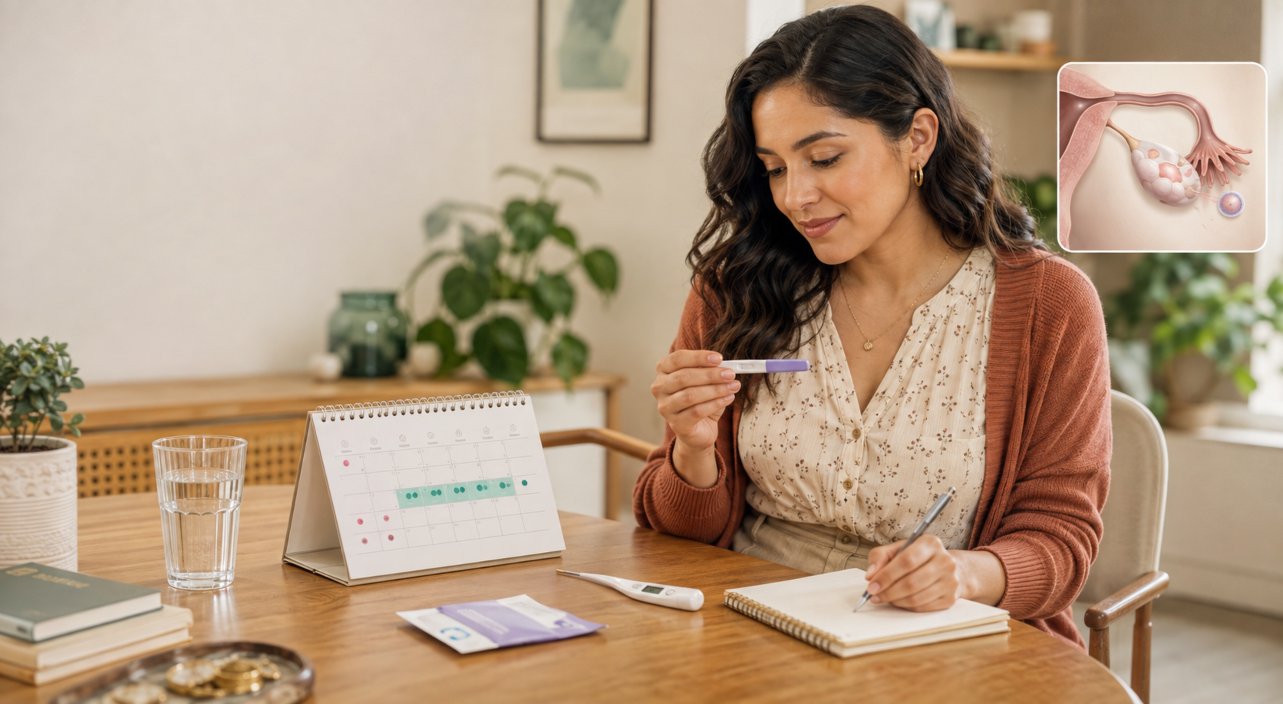
Great question. Signs of ovulation include a change in cervical mucus—it becomes clear, slippery, and stretchy like egg whites—and a slight increase in your basal body temperature (BBT). Some women also notice mild cramping or breast tenderness. If you’re not sure, ovulation predictor kits (OPKs) can help confirm it. When in doubt, it’s always okay to reach out to your women’s health provider.
3. What is the ‘fertile window,’ and why does it matter?
The fertile window refers to the six or so days when pregnancy is most likely: the five days before ovulation and the day of ovulation itself. Sperm can survive up to five days in the reproductive tract, and the egg is viable for about 12–24 hours after release. Timing intercourse during this window gives you the best chance at conception.
4. How can I track ovulation if I have irregular cycles?
If your cycles are unpredictable, don’t worry—you’re not alone. You can still track ovulation by observing changes in cervical mucus, using OPKs, or taking your BBT daily. Irregular cycles may make it trickier, but consistency and patience are key. If you’re not seeing patterns after a few months, it’s wise to consult a fertility specialist.
5. Is basal body temperature (BBT) tracking reliable?
BBT tracking can be a helpful, low-cost way to monitor ovulation. You’ll take your temperature first thing in the morning before getting out of bed. After ovulation, progesterone raises your temperature slightly. While not perfect, tracking BBT over time can reveal ovulation patterns—just remember that things like illness, sleep changes, or stress can affect results.
6. What does cervical mucus tell me about my fertility?
Cervical mucus changes throughout your cycle. When it becomes clear, stretchy, and slippery—think raw egg whites—that’s a strong signal you’re ovulating. This type of mucus helps sperm swim and survive, creating the perfect environment for conception. Keep track of your daily changes to better understand your body’s cues.
7. What is the LH surge, and how can I detect it?
The luteinizing hormone (LH) surge is your body’s cue to release an egg, typically 24–36 hours before ovulation. Ovulation predictor kits are designed to detect this surge in your urine. A positive result means your most fertile window is starting, and it’s time to try for a baby!
8. Do hydration and nutrition really affect ovulation?
Yes, they do! Proper hydration helps improve the quality of cervical mucus, which supports sperm movement. Eating a balanced diet rich in whole foods, lean proteins, healthy fats, and folate can also help regulate hormones and promote healthy ovulation. Always talk to your healthcare provider before making dietary or supplement changes.
9. Can I get pregnant during my period?
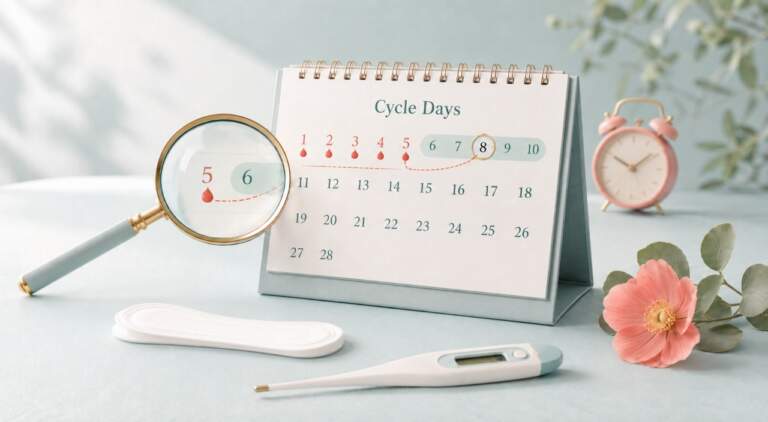
Conception is highly unlikely, but let me give you an extreme scenario of how it might happen. Sperm can live for 5 days in the woman’s reproductive tract. If the woman has a short menstrual cycle around 21 days, she could ovulate around day 7 or 8. Sex during the end of 3-5 days bleeding could theoretically lead to pregnancy. That’s why understanding your unique cycle is so important when trying to conceive—or avoid pregnancy.
10. What if I’m doing everything right but still not getting pregnant?
If you’ve been tracking, timing, and trying for a while and haven’t conceived, don’t lose hope. If you’re under 35, it’s reasonable to seek guidance after 12 months. If you’re over 35, seek support after six months. There are many possible reasons for delays, and a fertility specialist can help you explore the next steps tailored to your needs.