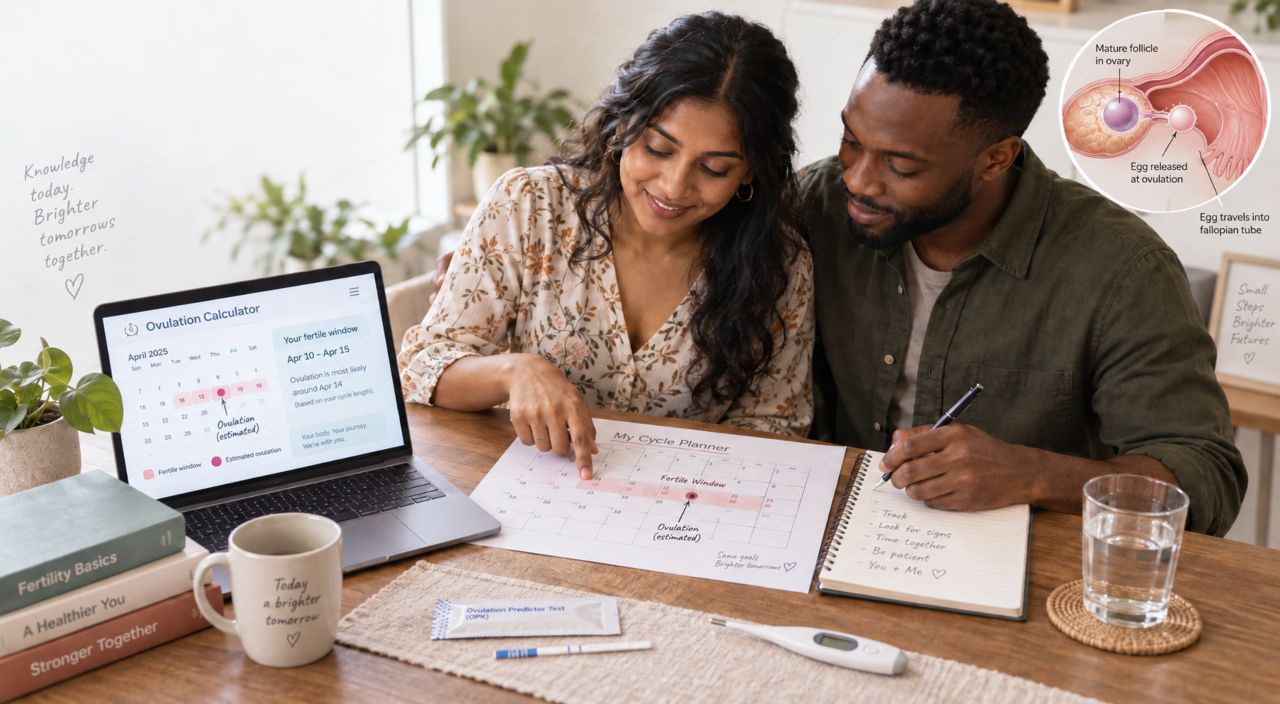

If you’re hoping to grow your family, understanding ovulation is one of the most empowering steps you can take. Pinpointing this small but mighty window in your cycle helps you align with your body’s natural rhythm and increases your chances of conceiving. Let’s walk through the basics together so you can feel confident about your timing.
Want to go deeper? Read the full article here:
👉 Understanding the Role of Ovulation in Conception: A Guide for Couples
Ask Dr. Stan
1. Dr. Stan, what exactly is ovulation, and why is it important for conception?
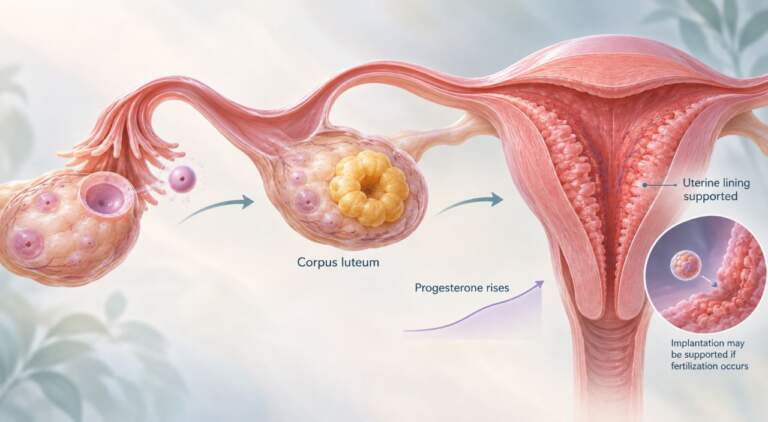
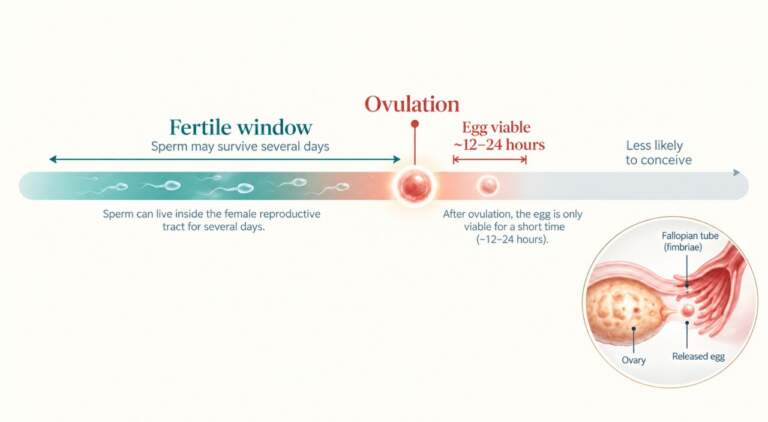
Ovulation is when the ovary releases a mature egg, typically once per menstrual cycle. The egg enters the fallopian tube where it may meet sperm for fertilization. Since the egg only lives for about 12–24 hours, timing intercourse around ovulation is key to increasing your chances of pregnancy.
2. How can I tell when I’m ovulating?
Great question! Common signs include a subtle rise in basal body temperature, changes in cervical mucus (becoming clear and stretchy like egg whites), and sometimes mild pelvic pain. Ovulation predictor kits can also help by detecting the surge in luteinizing hormone (LH) that triggers ovulation.
3. When is my fertile window, and how do I use it to conceive?
Your fertile window spans about six days: the five days leading up to ovulation and the day of ovulation itself. Sperm can live up to five days in the reproductive tract, so having regular intercourse during this window gives you the best shot at fertilization.
4. Can cycle tracking really improve my chances of getting pregnant?
Absolutely. Tracking your menstrual cycle—especially using tools like basal body temperature charts, cervical mucus patterns, and ovulation predictor kits—can help you identify your most fertile days. Personalized tracking gives you a clearer picture of your unique cycle and improves timing accuracy.
5. My cycle isn’t exactly 28 days—does that matter?
Not at all. Many women have cycles that vary from 21 to 35 days. What matters most is identifying when ovulation occurs in your own cycle. Ovulation typically happens 12 to 16 days before your next period starts, regardless of cycle length.
6. What lifestyle habits support healthy ovulation?
Eating a balanced diet rich in fruits, vegetables, lean proteins, and whole grains can support hormone balance. Regular physical activity, good sleep, and stress management also play an important role. And don’t forget to stay hydrated! For personalized recommendations—including supplements—be sure to consult your healthcare provider.
7. How does stress impact ovulation and fertility?
Chronic stress can disrupt the hormones that regulate ovulation, sometimes delaying or even preventing it. Simple self-care practices like prayer, deep breathing, journaling, walking, or yoga can help regulate your cycle. If stress feels overwhelming, don’t hesitate to speak with your doctor or a therapist.
8. What are ovulation predictor kits, and how do they work?
Ovulation predictor kits (OPKs) detect the surge in LH that happens 12 to 48 hours before ovulation. A positive result means ovulation is likely near, so it’s a good time to have intercourse. These kits are an easy and effective way to narrow down your fertile window.
9. How do health conditions like PCOS affect ovulation?
Polycystic Ovary Syndrome (PCOS) can disrupt regular ovulation, leading to irregular cycles or even anovulation (lack of ovulation). It’s one of the most common causes of female infertility. If you have symptoms like irregular periods, acne, or excess hair growth, talk to your doctor about evaluation and treatment options.
10. When should I seek medical help for ovulation concerns?
If you’ve been tracking your cycle and not seeing signs of ovulation—or if you’ve been trying to conceive for over a year (or six months if you’re over 35)—it’s time to check in with a fertility specialist. They can help assess hormone levels, check ovarian reserve, and guide you on next steps to support conception.