
Did you know that up to 80% of women will develop uterine fibroids by the time they hit 50? Despite this high number, many are not aware of the effects on their reproductive health. Uterine fibroids, or leiomyomas, are noncancerous tumors around the uterus, appearing often during a woman’s fertile years.
Some women with fibroids don’t feel anything, but others face fertility and pregnancy problems. The impact on both fertility and pregnancy outcomes can vary, depending on fibroids’ size, number, and position. Women with multiple fibroids may face increased risks and should consult with fertility specialists for management strategies. It’s important for those wanting to conceive to talk about fibroids with a fertility specialist.
Studies highlight that fibroids are common in both black and white women, supported by lots of ultrasound data. Yet, fibroids are the main cause in only a few infertility cases, once other reasons are ruled out. This guide will explore how fibroids affect fertility and pregnancy. We aim to give you the info you need on this tricky topic.
Key Takeaways
- Up to 80% of women will develop uterine fibroids by the age of 50.
- Uterine fibroids can affect fertility and lead to pregnancy complications.
- The size, number, and location of fibroids influence reproductive health outcomes.
- Only a minority of infertility cases are directly linked to fibroids after excluding other causes.
- Consulting with a reproductive endocrinologist is crucial for fibroid management.
Understanding Uterine Fibroids
Uterine fibroids are common tumors in women of childbearing age. They are not cancerous and appear in the uterus. Many women will encounter them at some stage.
What Are Uterine Fibroids?
Also known as leiomyomas, these are benign tumors from the uterine muscle. They range in size from tiny to large enough to change the uterus’ shape.
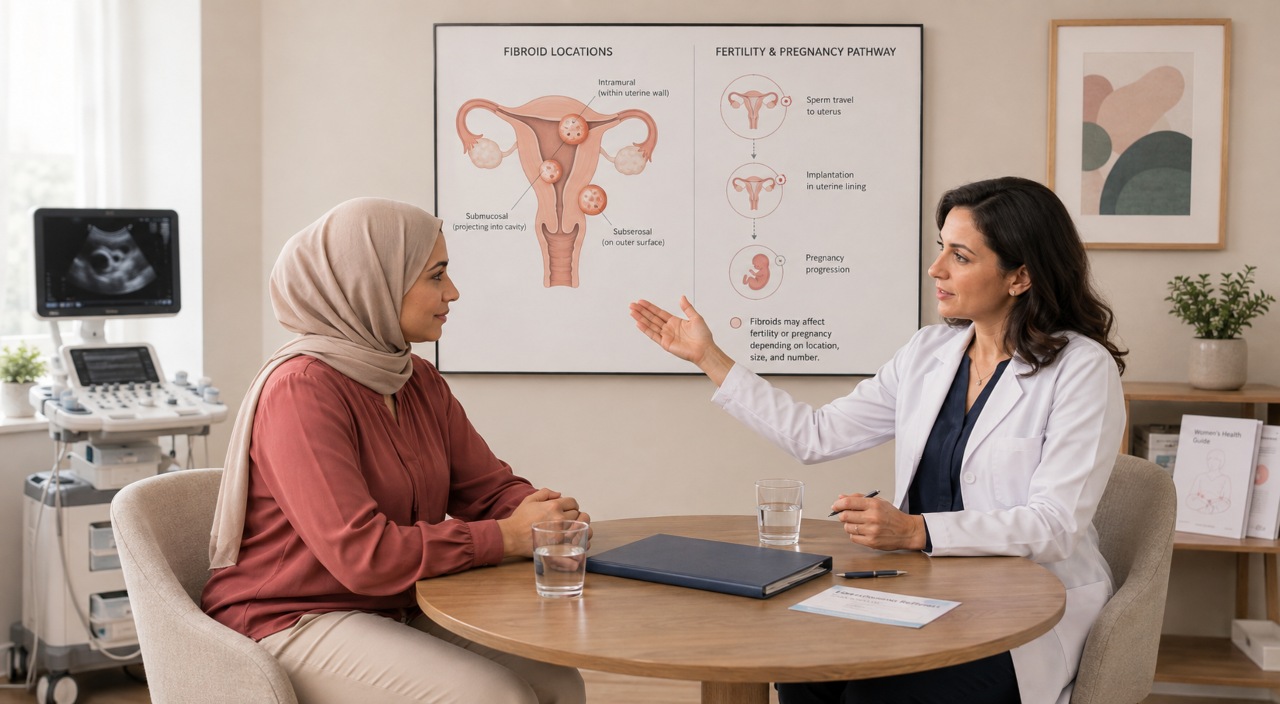
Types of Uterine Fibroids
There are different types of uterine fibroids:
- Intramural Fibroids: These are in the uterine wall, accounting for 40% of cases.
- Subserosal Fibroids: Found on the uterus’ outer surface, they make up about 55% of fibroids.
- Submucosal Fibroids: Located under the uterus lining, they are about 5% of cases and can affect fertility.
- Pedunculated Fibroids: These grow on a stalk on the uterus’ inner or outer wall.
- Cervical Fibroids: Found in the cervix, the lower part of the uterus.
Causes and Risk Factors
What causes fibroids isn’t fully known, but several factors might play a part:
- Hormonal Changes: Estrogen and progesterone can affect fibroid growth.
- Genetic Predispositions: The risk is higher if family members also had fibroids.
- Early Menstruation: Starting periods early might increase fibroid risks.
- Body Mass Index (BMI): Higher weight can raise the chances of fibroids.
- Changes in the Uterine Extracellular Matrix: This can also lead to fibroids.
Knowing about uterine fibroids is key for reproductive-aged women. It helps in making health choices. Regular visits to doctors can help manage potential issues.
Symptoms of Uterine Fibroids
Uterine fibroids are common growths in the uterus. They affect many people during their lifetimes. Knowing the symptoms can help manage their effect on everyday life and find the right treatment.
Common Symptoms, Including Heavy Menstrual Bleeding
Heavy menstrual bleeding is a common sign of fibroids and can significantly impact health, potentially leading to complications like anemia. People with fibroids often have long menstrual periods. This can lead to pelvic pain and discomfort.
Fibroids pressing on the bladder might make you pee a lot. They can also cause constipation and belly bloating. Many also feel lower back pain and pain during sex. These symptoms can greatly lower life quality.
Impact on Daily Life
Uterine fibroids can greatly impact daily activities. Heavy bleeding may require using more pads or tampons, which can be bothersome and costly. Pelvic pain can make it hard to move around, affecting exercise and daily tasks.
Frequent need to urinate can disturb sleep, causing fatigue and less productivity. Constipation from fibroids adds to discomfort in daily routines.
The emotional and mental effects are also significant. Chronic discomfort and daily interruptions due to fibroids can cause stress and anxiety. Identifying these symptoms early and talking to doctors about treatment can help. It can improve your daily life and overall well-being.
Fibroids and Fertility
Fibroids can make it hard for women to get pregnant. They do this by messing with how reproductive organs work. For example, fibroids can change the shape of the cervix or womb. This makes having a baby difficult. Submucosal fibroids change the uterus’s inside shape, which matters for embryo implantation and growth.
How Fibroids Affect Fertility
Fibroids can affect fertility in many ways. They can block fallopian tubes and change the uterine lining. Fibroids can also disrupt the blood supply to the uterine lining and developing embryo, leading to complications in conception and pregnancy. This makes it hard for an embryo to stick. About 1-3% of couples trying IVF face repeated implantation failures because of fibroids. Fibroids, mainly intramural and submucosal types, can lower IVF success, even if the uterine cavity looks normal.
Distortion of the Cervix or Uterus
Fibroids can also reshape the cervix or uterus. This can stop sperm from moving correctly and lower fertility. When fibroids change the uterus’s shape, sperm struggle to reach the egg. Also, fibroids can alter the number and type of certain cells in the womb’s lining, complicating conception. This makes getting an early diagnosis and the right treatment plan crucial for couples trying to have a baby.
Impact of Fibroids on Pregnancy
Uterine fibroids can greatly affect your pregnancy. They can increase the chance of various problems. Studies show that women with fibroids are more likely to face issues. These include miscarriage, having the baby early, and other pregnancy complications. About 10 to 30 percent of women with fibroids experience these difficulties during pregnancy.
Pregnancy Complications
The problems caused by fibroids in pregnancy vary. They depend on the fibroids’ size and where they are. Large fibroids, especially bigger than 5 centimeters, can be painful. This pain is often worse later in pregnancy. Women with fibroids may also need a cesarean delivery six times more than women without them.
But the issues don’t stop at pain and the need for cesarean sections. Miscarriages are more common with submucosal fibroids. These fibroids mess up the inside of the uterus. Also, having the baby too early is a big worry. Fibroids can change how the uterus is shaped, affecting when the baby is born.
Fibroids can also cause problems during childbirth. These include labor dystocia, when labor is slow or difficult, and malpresentation, where the baby is not in the right position for birth. There’s also a higher risk of heavy bleeding after giving birth. That’s why it’s vital to watch and manage these risks closely with good prenatal care. This care can lower these risks and lead to a safer pregnancy.
Diagnosis of Uterine Fibroids
Finding uterine fibroids early is key to handling their effects on fertility and health. The process starts with a detailed gynecological exam, along with high-tech imaging methods. These steps help to accurately find and understand the and prevent uterine fibroids.
Diagnostic Methods
Doctors use many methods to correctly identify fibroids. Ultrasound is the most common non-invasive method. It reveals the size, presence, and location of fibroids. Accessible and effective, transvaginal ultrasonography detects fibroids with up to 99% sensitivity.
Magnetic Resonance Imaging (MRI) is also key for diagnosing fibroids. It provides detailed pictures, extremely helpful in complex cases or before surgery. MRI is best at telling fibroids apart from other uterine or benign growths, giving a thorough examination.
Ultrasound and MRI are critical for a strong diagnosis of fibroids. Correctly identifying and understanding fibroids guide the choice of treatment. These methods also help watch how fibroids change over time, important for patients with different symptoms.
Treatment Options for Uterine Fibroids
Fibroid treatment has many paths, including non-surgical and surgical choices. The right treatment depends on symptoms’ severity, fibroid size and spot, and your plans for kids.
Non-Surgical Treatments, Including Uterine Artery Embolization
Non-surgical methods are the first step in fighting fibroids. They aim to control symptoms and make fibroids smaller without surgery.
- Hormone Therapy: Drugs like GnRH agonists (for example, leuprolide, goserelin, and triptorelin) create a menopause-like state to shrink fibroids. GnRH blockers like elagolix and relugolix lessen heavy bleeding symptoms.
- Over-the-Counter Medications: NSAIDs and painkillers ease pain. Iron supplements help with anemia from lots of bleeding.
- Oral Therapies: Drugs such as Elagolix and tranexamic acid, along with hormonal birth control like the progestin IUD, balance hormones and improve symptoms. Hormonal contraceptives are often used to manage menstrual flow but do not significantly affect fibroids.
- MRI-Guided Focused Ultrasound Surgery (FUS): This non-invasive option uses sound waves to target and destroy fibroid cells during an MRI scan.
- Uterine Artery Embolization (UAE): A less invasive method, it injects tiny particles into the uterine artery. This cuts blood flow to fibroids, making them shrink. UAE is an effective option for treating symptomatic uterine fibroids, highlighting the importance of tailored treatment plans based on individual patient circumstances.
- Radiofrequency Ablation: This method heats up and destroys fibroid cells. It offers a quicker recovery and less risk than traditional surgeries.
Surgical Treatments
Myomectomy: Done via hysteroscopy, laparoscopy, or laparotomy, this surgery removes fibroids but keeps the uterus. It’s a choice if you want children later.
Hysterectomy: For those not planning on kids, it removes the uterus entirely. It’s a final step in handling fibroids.
Uterine Artery Embolization (UAE): Mentioned earlier as a non-surgical method, UAE is also a less invasive surgical choice due to its technique. Uterine fibroid embolization (UFE) is a minimally invasive procedure designed to block the blood supply to fibroids, causing them to shrink and die, and highlighting its successful clinical outcomes and low complication rates.
Knowing your fibroid treatment options helps you decide with your doctor. This ensures the best care for your health needs and lifestyle.
The Role of Myomectomy in Fertility
Understanding how a myomectomy affects fertility is key if you’re facing fibroid issues. This surgery, aimed at removing fibroids, is vital for those wishing to keep their fertility. We will explore what this surgery means for reproductive health.
When is Myomectomy Recommended?
Doctors often suggest a myomectomy for submucosal fibroids. Myomectomy is also recommended for women with symptomatic uterine fibroids who wish to preserve their fertility. These fibroids can change the shape of the uterus, hindering pregnancy and raising miscarriage risks. If heavy periods, pelvic pain, or fertility issues bother you, myomectomy could help preserve your fertility.
Research by Nezhat et al. in 1991 introduced laparoscopic myomectomy. This method is ideal for women who wish to keep their uterus and boost pregnancy chances. Its wide acceptance shows its effectiveness in fibroid treatment and helping women conceive.
Success Rates and Risks
The success of myomectomy in boosting fertility is notable. Yet, it’s important to know the pros and cons. Studies show significant increases in pregnancy rates post-myomectomy, especially with certain surgical methods.
- Eldar-Geva et al. (1998) discussed how fibroid location affects fertility treatments.
- Ramzy et al. (1998) found a strong link between uterine fibroids and fertility treatment outcomes.
- Yarali and Bukulmez (2002) explored how different fibroid types influence pregnancy rates in specific procedures.
- Oliveira et al. (2004) pointed out that certain fibroids affect IVF success, even when they don’t change the uterus’ shape.
But, myomectomy carries risks. Issues like bleeding during surgery, scar tissue, and fibroids returning are concerns. Scar tissue, or adhesions, are especially worrying, with studies reporting them in 25% to 92% of cases after surgery. The fibroid’s size and place play a big role in these risks.
Your health, the fibroids’ details, and your family goals should guide your myomectomy choice. Talking to your doctor can create a plan that fits your desire to have kids while reducing risks. Getting informed about this surgery helps you make better choices for your family future.
Hormone Therapy and Its Effects
Hormone therapy is key for managing fibroids, helping lessen symptoms and shrink fibroids for a while. It involves different types, each having its own effects on health. Understanding these therapies is essential for reproductive health.
Types of Hormone Therapy
There are several hormone therapies useful for fibroids:
- GnRH agonists: They lower estrogen levels, leading to smaller fibroids and less discomfort. However, these are only for short-term use due to risks like bone loss.
- Progesterone modulators: Drugs like Ulipristal acetate can cut down fibroid size and menstrual bleeding. Side effects include hot flashes and tummy pain, but they’re usually mild.
- Hormonal IUDs: These IUDs lessen menstrual blood loss but do not shrink fibroids. Possible side effects are acne, spotting, and mood changes.
- Oral contraceptives: These pills may lessen bleeding but aren’t proven to treat fibroids directly. Hormonal contraceptives are often used to manage menstrual flow but do not significantly affect fibroids.
- Danazol: It’s effective against heavy bleeding but can cause weight gain, acne, and mood swings.
- Lupron: This creates a temporary menopause to shrink fibroids and relieve symptoms, but only when used.
Impact on Reproductive Health
Hormone therapy can affect reproductive health both good and bad. For example, GnRH agonists can reduce fibroid size well. Yet, using them too long has downsides like bone loss and menopause symptoms. Also, Ulipristal acetate helps with bleeding but needs liver health checks due to rare liver damage.
These treatments ease symptoms and help manage fibroids. But it’s important to watch their effects on fertility. Short-term use before surgery means less invasive treatments and better recovery. So, continuous check-ups and specialized care plans are vital for balancing benefits and risks.
Managing Fibroids During Pregnancy
Fibroid management during pregnancy involves continuous watch and specialized care to protect both mom and baby. Doctors specializing in pregnancy and fetal health work closely to handle the fibroids’ challenges. They make sure everything is safe for both.
Monitoring and Care
Ultrasound monitoring is key for keeping an eye on fibroids’ size and growth. These scans help doctors spot any concern early on. A personalized obstetric care plan is then made. It considers the fibroids’ size, place, and how they might affect the baby. Doctors’ active role makes managing fibroids more effective.
Preventing Complications
The goal of prenatal care is to stop issues like placental problems, baby’s growth limits, and early delivery. When dealing with fibroids, having a plan to prevent these problems is vital. Regular ultrasound checks help catch problems early. This lets doctors act quickly if needed. Careful obstetric care and working with fertility pros help lessen risks and make pregnancy safer.
Conclusion
Fibroids and fertility are closely linked. They also play a significant role in the pregnancy outcomes. Understanding this relationship is key for making informed choices. A detailed check-up can show that fibroids are very common. Up to 80% of African American and 70% of white women may have them by age 50. This fact highlights the need for focusing on fibroids in reproductive health.
New research and better treatment methods are bringing hope. For example, myomectomy surgery has helped about half of the women treated to get pregnant. Also, many women find success with hormone treatments or surgery. This depends on the fibroid’s type and size.
Research is always finding new ways to fight fibroids. It’s important for those affected to talk with their doctors. By working together, women can get the best care. They can make wise choices about their health and planning for a baby.
FAQ
What are uterine fibroids?
Uterine fibroids are noncancerous masses that grow in or near the uterus. They appear usually when a woman can have children. Their size and number can affect future fertility, and pregnancy.
What are the types of uterine fibroids?
There are several types of fibroids: intramural, subserosal, submucosal, pedunculated, and cervical. Each has unique features and affects the reproductive system in different ways.
What causes uterine fibroids?
Doctors don’t know all the reasons fibroids develop. But, factors might include hormones, early menstruation, genetics, body weight, and uterine structure changes.
What are common symptoms of uterine fibroids?
Many women don’t feel sick. But, symptoms can be heavy bleeding, long periods, pelvic pain, needing to pee often, bloating, constipation, and back pain.
How do fibroids impact daily life?
They can make life hard by causing pain and discomfort. Bad cases may lead to lots of bleeding or constant pain, needing doctors’ help.
How do fibroids affect fertility?
Fibroids may make it hard to get pregnant by changing the cervix or uterus shape, blocking the tubes, or affecting the inner uterus layer. Submucosal fibroids are a big worry for fertility. In vitro fertilization (IVF) is a successful fertility treatment option for women with fibroids, especially when fibroids do not affect the uterine cavity.
What pregnancy complications can fibroids cause?
They can raise the chance of miscarriage, early birth, and problems like C-sections, wrong baby position, difficult labor, and heavy bleeding after birth.
How are uterine fibroids diagnosed?
Doctors find fibroids through a pelvic exam and scans like ultrasounds or MRI. These tests show the fibroids’ size, place, and number.
What are the non-surgical treatment options for fibroids?
Treatments without surgery include hormones, GnRH agonists, and embolization. They aim to make fibroids smaller and ease symptoms without operations.
What surgical treatments are available for fibroids?
Surgery options are myomectomy, which takes out fibroids but keeps the uterus, and hysterectomy, removing the uterus. The choice is based on the fibroids and if the woman wants kids.
When is myomectomy recommended?
It’s suggested for women with submucosal fibroids who want to stay fertile. This surgery removes fibroids while keeping the uterus, possibly helping with getting pregnant.
What are the success rates and risks of myomectomy?
Myomectomy often helps with pregnancy but has risks like bleeding, scarring, and fibroids coming back. The choice should think about health and family plans.
What types of hormone therapy are used for treating fibroids?
Hormone treatments are GnRH agonists, progesterone modulators, and inhibitors. Short-term, they shrink fibroids and manage symptoms. But, they’re not a long-term fix.
How does hormone therapy impact reproductive health?
Hormone therapy can affect long-term health, like bone strength, besides controlling fibroids. It helps now but has future health impacts to consider.
How are fibroids managed during pregnancy?
During pregnancy, frequent scans check fibroid changes. Expert care from obstetricians and fertility specialists is key.
How can complications from fibroids during pregnancy be prevented?
Preventing problems means working closely with doctors, regular checks, and custom care plans. This helps manage risks like placental issues, slow baby growth, and early birth.
References
- The Impact and Management of Fibroids for Fertility: an evidence-based approach – https://www.ncbi.nlm.nih.gov/pmc/articles/PMC3608270/
- Patient education: Uterine fibroids (Beyond the Basics) – https://www.uptodate.com/contents/uterine-fibroids-beyond-the-basics/print
- Fertility Sparing Management in Uterine Fibroids – StatPearls – https://www.ncbi.nlm.nih.gov/books/NBK574504/
- Can I have a baby if I have fibroids? – UChicago Medicine – https://www.uchicagomedicine.org/forefront/womens-health-articles/2022/august/fibroids-fertility-pregnancy
- Fibroids and Fertility patient education fact sheet – https://www.reproductivefacts.org/news-and-publications/fact-sheets-and-infographics/fibroids-and-fertility/
- Uterine fibroids – Symptoms and causes – https://www.mayoclinic.org/diseases-conditions/uterine-fibroids/symptoms-causes/syc-20354288
- What are Uterine Fibroids? | Symptoms, Causes, and Treatment – https://www.plannedparenthood.org/learn/health-and-wellness/uterine-fibroids
- Uterine Fibroids and Infertility – https://www.ncbi.nlm.nih.gov/pmc/articles/PMC8391505/
- Conditions We Treat: Fibroids – https://www.hopkinsmedicine.org/gynecology-obstetrics/specialty-areas/fertility-center/conditions-we-treat/fibroids
- Uterine fibroids can be the major causes of infertility | Bangkok Hospital – https://www.bangkokhospital.com/en/content/not-having-children-may-be-uterine-fibroids?srsltid=AfmBOooa7VpPrh9ODpmJRq7cHOITgDJrNNXOTJfNWpTXTiwop5VnFqoh
- Fibroids and Pregnancy: What You Should Know – https://www.healthline.com/health/womens-health/fibroids-pregnancy
- Can Fibroids Cause Infertility? – https://www.verywellhealth.com/can-fibroids-cause-infertility-5189817
- Do Uterine Fibroids Impact Pregnancy? – https://www.hackensackmeridianhealth.org/en/healthu/2022/03/17/do-uterine-fibroids-impact-pregnancy
- Uterine Fibroids: Diagnosis and Treatment – https://www.aafp.org/pubs/afp/issues/2017/0115/p100.html
- Fibroids – https://www.hopkinsmedicine.org/health/conditions-and-diseases/uterine-fibroids
- Fibroid Symptoms and Diagnosis – Brigham and Women’s Hospital – https://www.brighamandwomens.org/obgyn/infertility-reproductive-surgery/cysts-and-fibroids/fibroid-symptoms-and-diagnosis
- Uterine fibroids – Diagnosis and treatment – Mayo Clinic – https://www.mayoclinic.org/diseases-conditions/uterine-fibroids/diagnosis-treatment/drc-20354294
- Uterine Fibroids: Symptoms & Treatment – https://my.clevelandclinic.org/health/diseases/9130-uterine-fibroids
- Latest Fibroid Treatment Techniques Can Preserve Fertility – https://www.uhhospitals.org/blog/articles/2022/08/latest-fibroid-treatment-techniques-can-preserve-fertility
- Fibroids, Infertility and Laparoscopic Myomectomy – https://www.ncbi.nlm.nih.gov/pmc/articles/PMC3304294/
- Fertility unaffected by myomectomy route – Mayo Clinic – https://www.mayoclinic.org/medical-professionals/obstetrics-gynecology/news/fertility-unaffected-by-myomectomy-route/mac-20538104
- Frontiers | Myomectomy in infertile women: More harm than good? – https://www.frontiersin.org/journals/surgery/articles/10.3389/fsurg.2023.1151901/full
- Uterine fibroids: Learn More – When is treatment with hormones considered? – InformedHealth.org – https://www.ncbi.nlm.nih.gov/books/NBK279532/
- Hormone Therapy for Fibroids – https://fibroids.com/blog/hormone-therapy-fibroids/
- Contemporary Management of Fibroids in Pregnancy – https://www.ncbi.nlm.nih.gov/pmc/articles/PMC2876319/
- Planning for Pregnancy When You Have Fibroids – UChicago Medicine – https://www.uchicagomedicine.org/conditions-services/obgyn/uterine-fibroids/pregnancy-fertility
- Fibroids and fertility – https://www.pregnancybirthbaby.org.au/fibroids-and-fertility
- Fibroids and female reproduction: a critical analysis of the evidence – https://academic.oup.com/humupd/article/13/5/465/658343
- Reproductive outcomes in patients with uterine fibroid and infertility after laparoscopic myomectomy – https://www.medrxiv.org/content/10.1101/2024.05.30.24308110v1.full