
Did you know around 9% of newborns globally are quite heavy at birth? They weigh over 8 pounds, 13 ounces. This is called Fetal Macrosomia. It can make delivery hard and may cause health issues for both mom and baby. Knowing about this, especially when a baby weighs over 9 pounds, 15 ounces, is very important for parents-to-be.
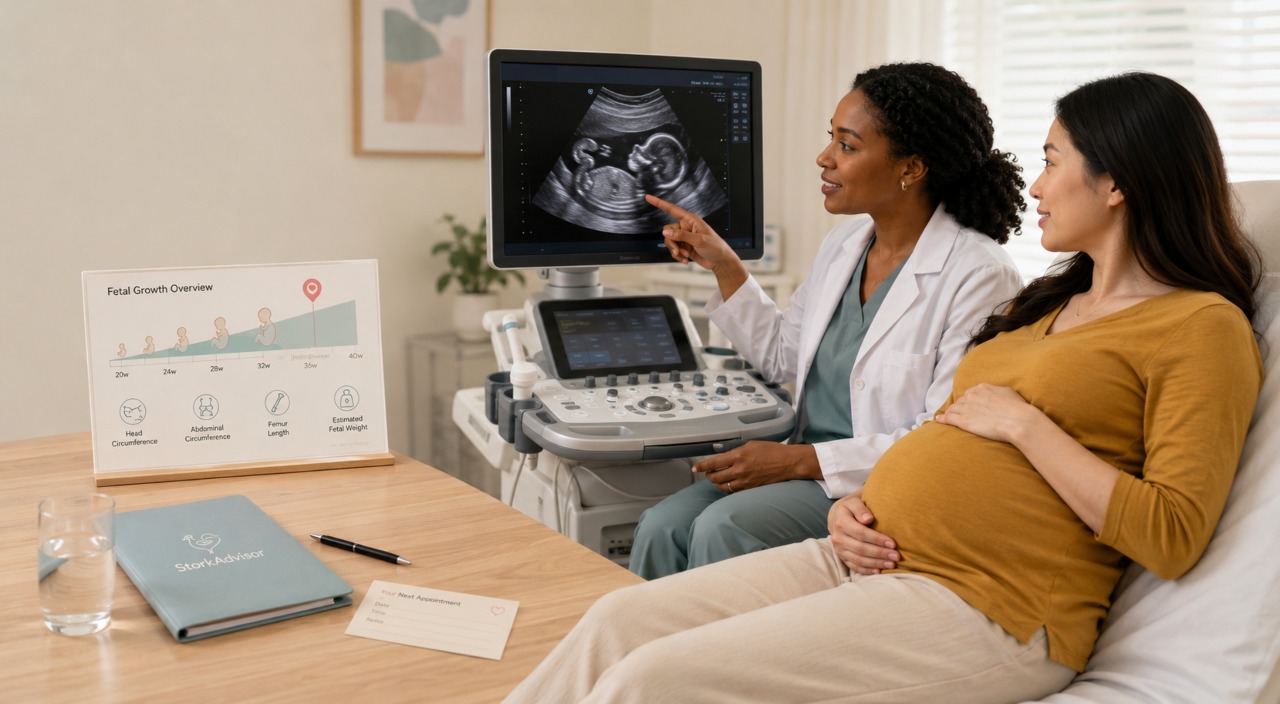
Fetal Macrosomia, also known as Large for Gestational Age (LGA), means a baby is born weighing much more than average for their gestational amount. This usually refers to babies over 8 pounds, 13 ounces or sometimes over 9 pounds, 15 ounces. Things like a mom’s diabetes, being overweight, or gaining a lot of weight during pregnancy can raise the chances of this happening. The estimated fetal weight is measured through ultrasound biometry, which helps in assessing and managing fetal macrosomia. This highlights why taking care of your health before and during pregnancy is key.
For parents awaiting the arrival of their child, understanding these risks is crucial. It helps them take better care of themselves and make smart choices about giving birth. Now, let’s look closer at what causes fetal macrosomia, the risks involved, and how to handle them. This knowledge is crucial for the health and safety of both mother and child.
Key Takeaways
- Fetal macrosomia affects about 9% of newborns globally, with significant health risks when birth weight exceeds 9 pounds, 15 ounces.
- Maternal diabetes, obesity, and excessive weight gain during pregnancy are major contributors to the likelihood of fetal macrosomia.
- Male infants are more likely to be macrosomic compared to female infants, showcasing a gender-related aspect to the condition.
- Successive pregnancies up to the fifth typically result in heavier birth weights, highlighting the influence of previous pregnancies.
- Understanding fetal macrosomia is vital for expecting parents to manage prenatal care and make informed decisions about delivery methods.
What is Fetal Macrosomia?
Fetal macrosomia is when a newborn baby weighs more than 8 pounds, 13 ounces. This weight is high, no matter how long the baby has been in the womb. It is a serious issue for both mom and baby. It matters a lot for pregnant women and doctors.
Definition and Criteria
Doctors use a specific fetal weight amount to say a baby has fetal macrosomia. A baby weighing over 8 pounds, 13 ounces is considered macrosomic. The risks get bigger if the baby weighs more than 9 pounds, 15 ounces.
“Approximately 9 percent of all newborns worldwide meet the weight criteria for Fetal Macrosomia. Predicting this condition can be challenging, especially since prenatal ultrasounds can underestimate or overestimate the baby’s weight by up to 20 percent.”
Prevalence
About 9 percent of babies born around the world have fetal macrosomia. The numbers are growing and it’s worrisome. It’s linked to more moms having diabetes, obesity, and gaining too much weight when pregnant. Also, when pregnancies go over 40 weeks, it’s more likely to happen.
It’s key to understand what fetal macrosomia means and how common it is. This shows why it’s critical to check on the baby’s health often. This can help avoid problems for both the mom and the baby.
Causes of Fetal Macrosomia
Knowing why fetal macrosomia happens is key for managing risks in pregnancy and birth. About 10% of all pregnancies are affected by this condition.
Genetic Factors
Your genes play a big role in your baby’s size at birth. If big babies are common in your family, your baby might be larger too. Boys are often bigger at birth than girls. Also, if you’ve had a big baby before, it’s much more likely it could happen again.
Maternal Conditions
A mom’s health has a big impact on her baby. If she has Gestational Diabetes, there’s a 50% chance her baby will be larger than average. Moms with diabetes or who gain a lot of weight while pregnant face this issue more. These health problems are main reasons for large babies and possible problems after birth.
Unknown Causes
Sometimes, even with lots of tests, doctors can’t find the reason for a baby’s large size. This might mean there are medical issues we don’t know about yet. It shows why we need more research and better care before the baby is born.
Understanding what causes big babies is important. It can lead to early spotting and handling of risks in pregnancy. This ensures moms and their babies are safer.
Risk Factors for Fetal Macrosomia
It’s important for expectant mothers and healthcare providers to know the risk factors for fetal macrosomia. Macrosomic infants weigh over 4,000 grams and make up 3-15% of all births. Several factors from the mother’s side contribute to this condition.
Maternal Diabetes
Gestational diabetes greatly increases the risk of having a large baby. If gestational diabetes mellitus while in pregnancy isn’t managed well, it affects the mother’s health. Women with Gestational Diabetes are more likely to have larger babies. High blood sugar can make the fetus grow too much.
Maternal Obesity
Obesity significantly raises the maternal risk factors of fetal macrosomia. If parents are obese, their chances of a large baby go up a lot. Research ties maternal obesity to a 4 to 12 times higher risk. Keeping a healthy weight can lower this risk.
Excessive Weight Gain During Pregnancy
Gaining too much weight during pregnancy is a key factor. It makes having a big baby more likely. Doctors advise women on how to maintain a healthy weight gain.
Previous Pregnancies and Large Babies
If a woman has had large babies before, it might happen again. The risk increases by 5 to 10 times. It’s very important for these mothers to get special care in future pregnancies.
Overdue Pregnancy
Being pregnant longer than 40 weeks also ups the risk. Babies born after 40 weeks tend to be larger. The extra time in the womb means more weight gain. Watching for this can help avoid risks.
Common Symptoms and Detection
It’s vital to catch early signs of fetal macrosomia to avoid complications during delivery. Knowing these signs helps with early detection and managing them better.
Large Fundal Height
One key sign is a large fundal height. This is the distance from the top of the uterus to the pubic bone. If this measurement is bigger than normal for the baby’s age, it might mean the baby is larger too. Keeping track of the fundal height is important for checking how the fetus grows.
Polyhydramnios
An excess of amniotic fluid, known as polyhydramnios, is another symptom. More amniotic fluid than usual can show that the baby’s fetal growth just isn’t typical. It may suggest macrosomia is developing. That’s why checking the amount of amniotic fluid is a key part of prenatal care.
Challenges in Detection
Even with these symptoms, detecting fetal macrosomia can be tough. Ultrasound can help but isn’t always right, with errors up to 550 grams (19.4 ounces). Thus, estimates and routine ultrasounds might not always match the final birth weight. Talking often with healthcare providers and using diagnostic tools correctly is crucial to improve detection.
Complications Associated with Fetal Macrosomia
Fetal macrosomia affects 3-15% of pregnancies. It can pose several risks to both mothers and newborns. These complications can happen during and after birth.
Maternal Complications
Labor issues are common with fetal macrosomia. A major concern is Shoulder Dystocia. This is when the baby’s shoulder gets stuck during birth. It can lead to serious injuries and may require emergency care.
Mothers might also face lacerations, uterine atony, and even uterine rupture. Gestational diabetes increases the chance of macrosomia by 11.9 times. This often makes a C-section more likely. The baby’s large size can prolong labor. This raises the risk of bleeding and tears after birth.
Newborn Complications
Macrosomic newborns face health challenges. One issue is Neonatal hypoglycemia. Macrosomic babies are 4.7 times more prone to low blood sugar. They also face a higher risk of injuries and breathing problems at birth.
These babies are more likely to become obese or develop metabolic syndrome later. These problems can cause long-term health issues. Shoulder Dystocia is also a major risk factor for them, which can lead to nerve damage.
The risk of neonatal complications, such as shoulder dystocia, birth trauma, and increased likelihood of NICU admissions, is high. This shows the need for careful monitoring and management during pregnancy.
Management and Treatment Strategies
Managing and treating Fetal Macrosomia is key for both the mom and baby’s health. It involves constant monitoring during the pregnancy. Also, it includes managing gestational diabetes effectively. Deciding between Cesarean and vaginal births is very important.
Monitoring Pregnancy
Watching a baby’s weight closely throughout the pregnancy is essential. Regular ultrasounds and check-ups are needed to spot Fetal Macrosomia early. This way, the best treatment options can be planned as the pregnancy moves forward.
Managing Diabetes
Gestational diabetes raises the chance of having a larger baby. Properly managing blood sugar with diet, exercise, and medicine can cut down on complications. Controlling diabetes well is a must to lower risks with heavy birth weight babies.
Cesarean Delivery vs Vaginal Delivery
Deciding between Cesarean and vaginal birth is crucial with Fetal Macrosomia. Vaginal delivery may lead to more issues like shoulder dystocia. But Cesarean delivery doesn’t avoid all risks. So, healthcare workers must weigh the pros and cons carefully, based on each situation.
Prevention Tips for Fetal Macrosomia
Preventing Fetal Macrosomia is key for the health of both mother and baby. Expecting mothers can lower the risk by following effective strategies. This promotes a safe and healthy pregnancy.
Preconception Planning
Good prenatal care starts before pregnancy. It’s wise to see a healthcare provider to reach a healthy pregnancy weight. Achieving this can greatly lower reduce the risk of fetal macrosomia.
Planning helps manage conditions like, diabetes mellitus or obesity. This reduces the chance of complications.
Healthy Weight Management
Keeping a healthy weight during pregnancy is important. It helps avoid excessive growth of the fetus. Babies born to active moms are less likely to get macrosomia.
Exercise and Low-Glycemic Diet
Staying active and eating a low-glycemic diet helps a lot. These steps are good for managing weight and sugar levels. This is especially true for moms with gestational diabetes.
Choosing foods with a low glycemic index keeps blood sugar stable. Eating fruits and dairy in moderation is good, too. Too much can lead to a bigger baby.
To prevent Fetal Macrosomia, keep up with prenatal care. This includes planning, managing weight, and watching what you eat. Doing these things leads to a healthier mom and baby.
What to Expect During Delivery with Fetal Macrosomia
As you get ready for your Fetal Macrosomia delivery, knowing potential challenges is key. A baby with fetal macrosomia weighs more than 8 pounds, 13 ounces. Your healthcare team will make a safe delivery plan because of certain risks.
Almost 6% of babies born in the U.S. in 2021 were between 8 pounds, 13 ounces, and 9 pounds, 14 ounces. Less than 1% weighed over 9 pounds, 15 ounces. If you’ve had a large baby before, you’re more likely to have another. Boys, and babies from certain ethnic backgrounds, are often larger.
When expecting a large baby, you may have to think about how the baby will be delivered. The increased risk of shoulder dystocia and injuries might lead to a cesarean section. This is especially true if the baby is expected to weigh over 9 pounds, 9 ounces. The cesarean section rate is much higher in such cases.
Knowing what to expect can help you manage your delivery plans well. With your healthcare provider’s help, you can face your Fetal Macrosomia delivery with confidence. Your and your baby’s safety will be the main focus.
To sum it up, delivering a macrosomic infant comes with special challenges. But, being well-informed and ready can make your birthing experience much better.
Long-term Health Implications for Babies
Babies born with fetal macrosomia face many long-term health challenges. It’s crucial to understand these issues early. This way, you can manage these risks better.
Lower Blood Sugar Levels
Babies with fetal macrosomia often have neonatal hypoglycemia. This condition lowers their blood sugar right after birth. It’s important to watch and act quickly to make blood glucose levels avoid more problems.
Childhood Obesity
Being born large for their gestational age increases a baby’s risk of childhood obesity. Studies link high birth weight to more obesity in kids. It underlines the need to care for metabolic health in children early on.
Metabolic Syndrome
Long-term research shows higher risks of metabolic syndrome in children born big. This syndrome involves high blood pressure, too much body fat, and cholesterol issues. It’s a serious threat to metabolic health in children.
Conclusion
Understanding Fetal Macrosomia is key for a safe childbirth. It lowers birth risks for mom and baby. It’s critical to manage conditions like diabetes and obesity, as they often lead to bigger babies. Watching the mom’s weight and blood sugar closely during pregnancy helps avoid complications.
More babies are being born larger in places like the US and Europe. This shows the need for awareness and actions to manage this issue. Diagnosing fetal macrosomia is hard, but very important. It means doctors can give the right care to prevent problems for the mom and baby.
To handle fetal macrosomia well, we need a full-circle approach in watching and managing mom’s health. Doctors using the best medical advice helps a lot too. This way, parents can face the challenge of excessive fetal growth and macrosomia with less worry. In the end, knowing all about it and acting smartly is crucial. It leads to safer births and fewer risks from big babies.
FAQ
What is Fetal Macrosomia?
Fetal Macrosomia means a newborn is much heavier than normal, weighing over 8 pounds, 13 ounces. It can cause problems during natural birth and affect the baby’s health afterwards.
How common is Fetal Macrosomia?
Around 9% of babies around the world have Fetal Macrosomia. The risk goes up with babies over 9 pounds, 15 ounces.
What causes Fetal Macrosomia?
It can come from genetics, the mother’s health like obesity or diabetes, or sometimes unknown reasons.
What risk factors contribute to Fetal Macrosomia?
Things like diabetes in the mother, gaining a lot of weight during pregnancy, previous large babies, carrying more than one baby, having a boy, and pregnancies longer than 40 weeks can increase the risk.
What symptoms indicate Fetal Macrosomia?
Signs include a larger belly size and too much amniotic fluid. It’s hard to guess the baby’s size accurately, though.
What complications are associated with Fetal Macrosomia?
For mothers, complications can be severe, like shoulder issues during birth and injuries. Babies might face low blood sugar, more chance of obesity, and metabolic problems later in life.
How is Fetal Macrosomia managed and treated?
Doctors watch the pregnancy closely, manage diabetes, and decide the safest way to deliver the baby to avoid problems.
Can Fetal Macrosomia be prevented?
Before getting pregnant, talking to a doctor, staying at a healthy weight, exercising, and eating right could help lower the risk.
What should you expect during delivery with Fetal Macrosomia?
Doctors might opt for a Cesarean section, especially for very large babies or if there were previous delivery issues.
What are the long-term health implications for babies with Fetal Macrosomia?
Babies might face low blood sugar early on, have a greater risk of getting obese, and might get metabolic syndrome later, leading to serious health issues.
References
- Fetal macrosomia-Fetal macrosomia – Symptoms & causes – Mayo Clinic – https://www.mayoclinic.org/diseases-conditions/fetal-macrosomia/symptoms-causes/syc-20372579
- Fetal macrosomia – UpToDate – https://www.uptodate.com/contents/fetal-macrosomia
- Macrosomia – StatPearls – NCBI Bookshelf – https://www.ncbi.nlm.nih.gov/books/NBK557577/
- What Is Fetal Macrosomia? – https://www.webmd.com/baby/what-is-fetal-macrosomia
- Macrosomia: Practice Essentials, Background, Pathophysiology – https://emedicine.medscape.com/article/262679-overview
- Macrosomia: Symptoms, Causes, and Complications – https://www.healthline.com/health/macrosomia
- Fetal Macrosomia – https://www.birthinjuryhelpcenter.org/birth-injuries/prenatal-problems/fetal-macrosomia/
- Fetal Macrosomia – https://www.whattoexpect.com/pregnancy/macrosomia
- Fetal Macrosomia: Risk Factors, Maternal, and Perinatal Outcome – https://www.ncbi.nlm.nih.gov/pmc/articles/PMC3868121/
- Risk factors and outcomes of fetal macrosomia in a tertiary centre in Tanzania: a case-control study – BMC Pregnancy and Childbirth – https://bmcpregnancychildbirth.biomedcentral.com/articles/10.1186/s12884-016-1044-3
- Fetal macrosomia: Definition, causes, complications, and more – https://www.medicalnewstoday.com/articles/fetal-macrosomia-definition-causes-complications-and-more
- Fetal Macrosomia: Causes, Symptoms, Diagnosis & Treatment | Fetal Development – https://www.drshivahk.com/fetal-macrosomia-understanding-the-causes-symptoms-diagnosis-and-treatment-options/
- Management of Suspected Fetal Macrosomia – https://www.aafp.org/pubs/afp/issues/2001/0115/p302.html
- Medical Care, Surgical Care, Consultations – https://emedicine.medscape.com/article/262679-treatment
- Diagnosis and Management of Macrosomia and Shoulder Dystocia: A Comprehensive Review of Major Guidelines – PubMed – https://pubmed.ncbi.nlm.nih.gov/38640129/
- ACOG Issues Guidelines on Fetal Macrosomia – https://www.aafp.org/pubs/afp/issues/2001/0701/p169.html
- Determinants of fetal macrosomia among live births in southern Ethiopia: a matched case–control study – BMC Pregnancy and Childbirth – https://bmcpregnancychildbirth.biomedcentral.com/articles/10.1186/s12884-022-04734-8
- Fetal Macrosomia: An Overview – https://www.healthgrades.com/right-care/childrens-health/macrosomia
- Fetal macrosomia: Causes and complications of having a too-big baby – https://www.babycenter.com/pregnancy/your-body/macrosomia_1152319
- Fetal Macrosomia – https://www.draliabadi.com/obstetrics/high-risk-obstetrics/fetal-macrosomia/
- Risk factors and long-term health consequences of macrosomia: a prospective study in Jiangsu Province, China – https://www.ncbi.nlm.nih.gov/pmc/articles/PMC3596738/
- Frontiers | The Association Between High Birth Weight and Long-Term Outcomes—Implications for Assisted Reproductive Technologies: A Systematic Review and Meta-Analysis – https://www.frontiersin.org/journals/pediatrics/articles/10.3389/fped.2021.675775/full
- Fetal Macrosomia Among Non-diabetic Women: Our Experience in a Developing Country – https://www.ncbi.nlm.nih.gov/pmc/articles/PMC9366032/
- Induction of labour at or near term for suspected fetal macrosomia – Boulvain, M – 2023 | Cochrane Library – https://www.cochranelibrary.com/cdsr/doi/10.1002/14651858.CD000938.pub3/abstract